
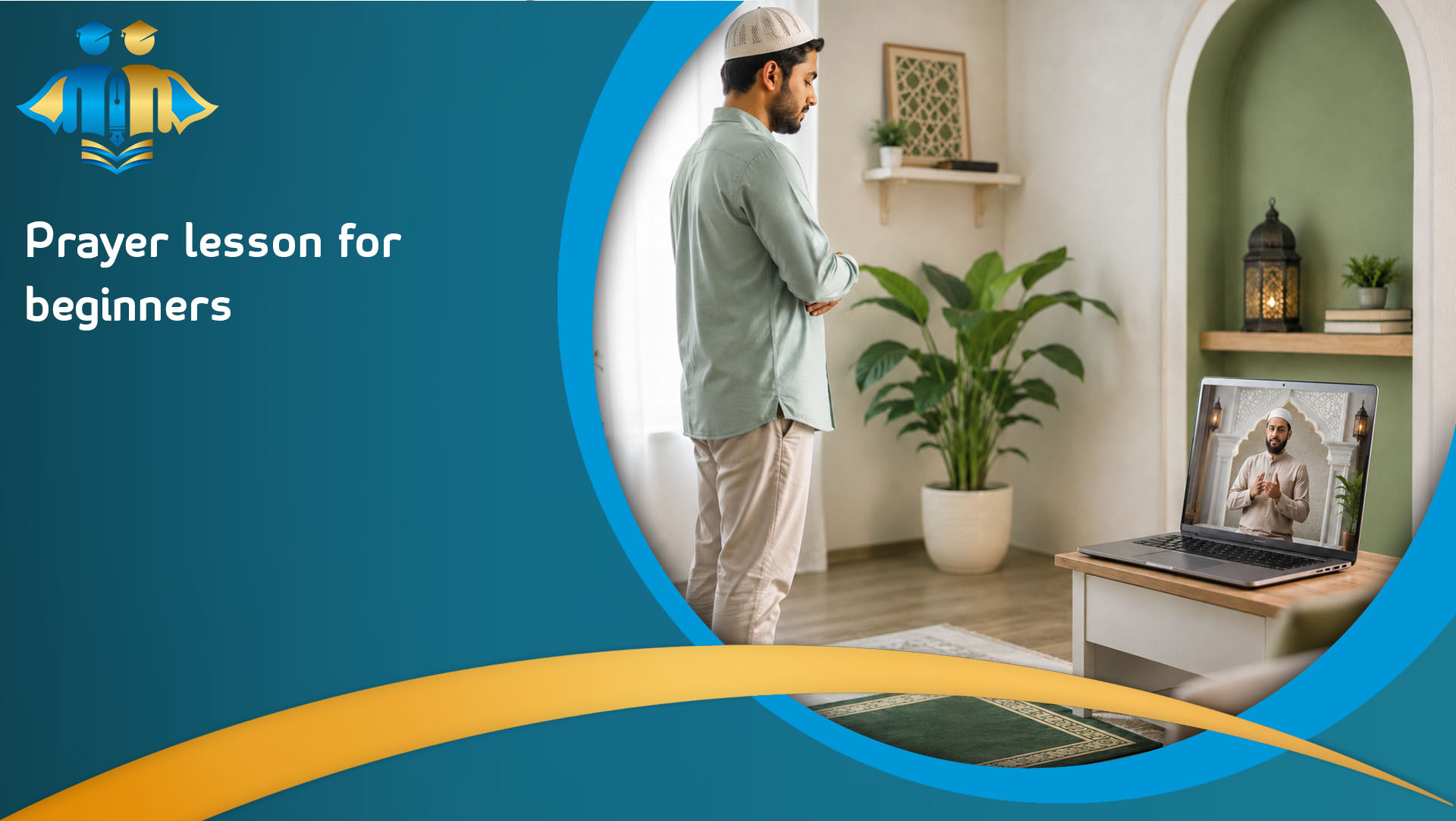
Prayer lesson for beginners: Learn Salah Easily
Prayer lesson for beginners is designed to guide new learners through the essential steps of performing salah correctly, and Super Muslim Quran Academy provides clear, structured instruction to ensure understanding and confidence. This ties in well with Islamic online school for Quran learning USA, something a lot of students ask about too.
This lesson emphasizes proper intentions, purification, movements, and recitations, helping beginners develop focus, humility, and spiritual mindfulness. By following step-by-step guidance, learners can build a strong foundation in their worship practice, ensuring each prayer is meaningful and accepted.
With consistent practice, this lesson helps beginners feel comfortable performing daily prayers, connecting deeply with Allah, and establishing a routine that strengthens both faith and discipline in everyday life.
Step-by-Step Guide with Super Muslim Quran Academy
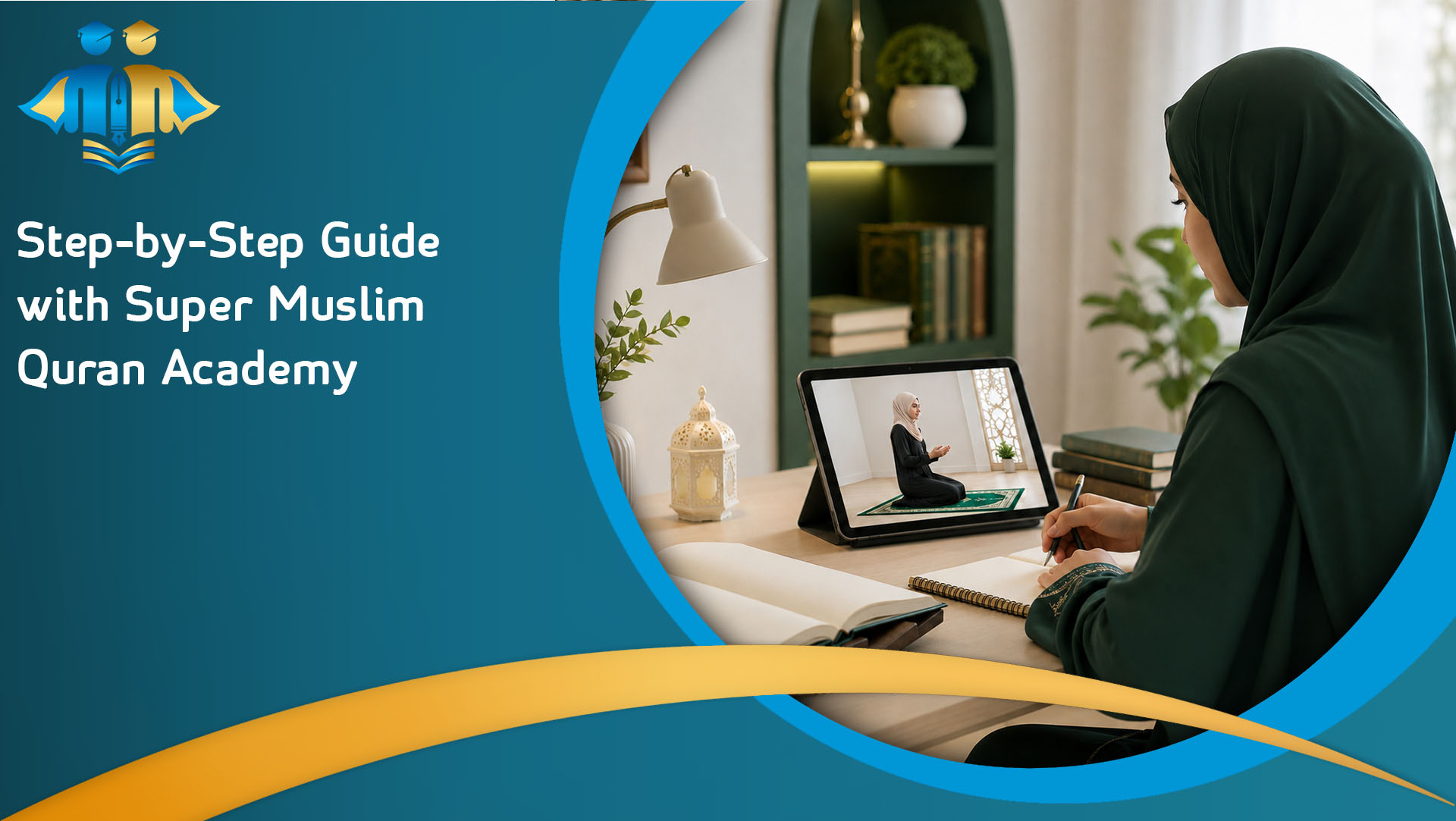
A Prayer lesson for beginners is an essential starting point for anyone seeking to learn how to perform salah correctly, understand its significance, and establish a consistent connection with Allah. Super Muslim Quran Academy offers structured guidance to ensure learners develop proper intentions, recitations, and postures from the outset.
By mastering these fundamentals, beginners can grow in confidence, mindfulness, and devotion. This guide provides a comprehensive step-by-step approach, helping newcomers progress from simple supplications to complete daily prayers, ensuring each act of worship is spiritually meaningful and aligned with Islamic teachings.
Understanding prayer goes beyond simply memorizing words; it involves developing mindfulness, humility, and concentration throughout every step of worship. Many beginners may feel challenged by Arabic text or the order of the prayer, but guidance from a Quran Academy online can make the learning process easier and help students perform salah with confidence and accuracy.
Consistency, patience, and guidance from trusted sources like Super Muslim Quran Academy empower learners to integrate prayer seamlessly into daily life while fostering spiritual growth.
Take the First Step Today with Super Muslim Quran Academy
Don’t wait to strengthen your connection with Allah and build consistent prayer habits. At Super Muslim Quran Academy, our structured lessons guide beginners step by step, helping you perform prayers with confidence, proper posture, and correct recitation.
Whether you are learning Wudoo, Surah Al-Fatihah, or full Salah units, our approach ensures every prayer is meaningful and spiritually fulfilling. Start your journey today, follow our expert guidance, and transform your daily worship into a source of peace, discipline, and personal growth. Join now to experience the reward, focus, and serenity that comes from proper, heartfelt prayer.

Preparing for Prayer
Proper preparation is the foundation of valid and accepted salah, ensuring both the body and mind are ready for worship.
- Ablution (Wudoo): This cleansing ritual is essential before prayer. Wash hands, mouth, nose, face, arms, head, ears, and feet in sequence. Wudoo not only purifies the body but also prepares the mind for focused worship.
- Ghusl (Full Ritual Bath): Required after major impurities, such as sexual activity, menstruation, or post-childbirth bleeding. Ghusl involves washing the entire body, which aligns with Quranic instruction: “And if you are in a state of ceremonial impurity, bathe your whole body” (Qur’an 5:6).
- Clean Space and Clothing: Ensure your prayer area is free of impurities and that clothing covers the awrah—men from navel to knees and women completely except hands, face, and feet.
- Qiblah Orientation: Facing the Ka‘bah in Makkah is required for all prayers. Beginners can use a compass, mobile apps, or local mosque guidance to determine direction accurately.
- Intention (Niyyah): Mentally or silently formulate the intention for the specific prayer, focusing on sincerity and devotion. This prepares the heart to fully engage in worship.
Proper preparation helps ensure that prayer becomes more than a physical act, transforming it into a deeply spiritual experience. Through Islamic studies online, students can develop a stronger understanding of this concept, forming a solid foundation for a meaningful prayer lesson and a deeper connection with worship.
Understanding Prayer Times
Knowing when to pray is crucial, as each salah has a designated window during the day and night.
- Fajr (Dawn Prayer): Begins at dawn, ending at sunrise. It is highly recommended to pray early in its time for maximum reward.
- Dhuhr (Early Afternoon Prayer): Starts when the sun passes its zenith and continues until Asr begins. Performing this prayer promptly enhances discipline.
- Asr (Late Afternoon Prayer): Begins when an object’s shadow equals its height and ends just before sunset. Early performance is preferred.
- Maghrib (Sunset Prayer): Starts immediately after sunset and concludes when twilight disappears.
- Isha (Night Prayer): Begins after twilight and extends until midnight, though it may be performed later if necessary.
Learning prayer timings helps beginners organize worship naturally within everyday responsibilities while building stronger focus, discipline, and spiritual connection over time. Through the Best online islamic classes, Super Muslim Quran Academy teaches both prayer schedules and correct prayer methods together, helping students practice with greater confidence, awareness, and consistency each day.
Stage-by-Stage Prayer Guidance
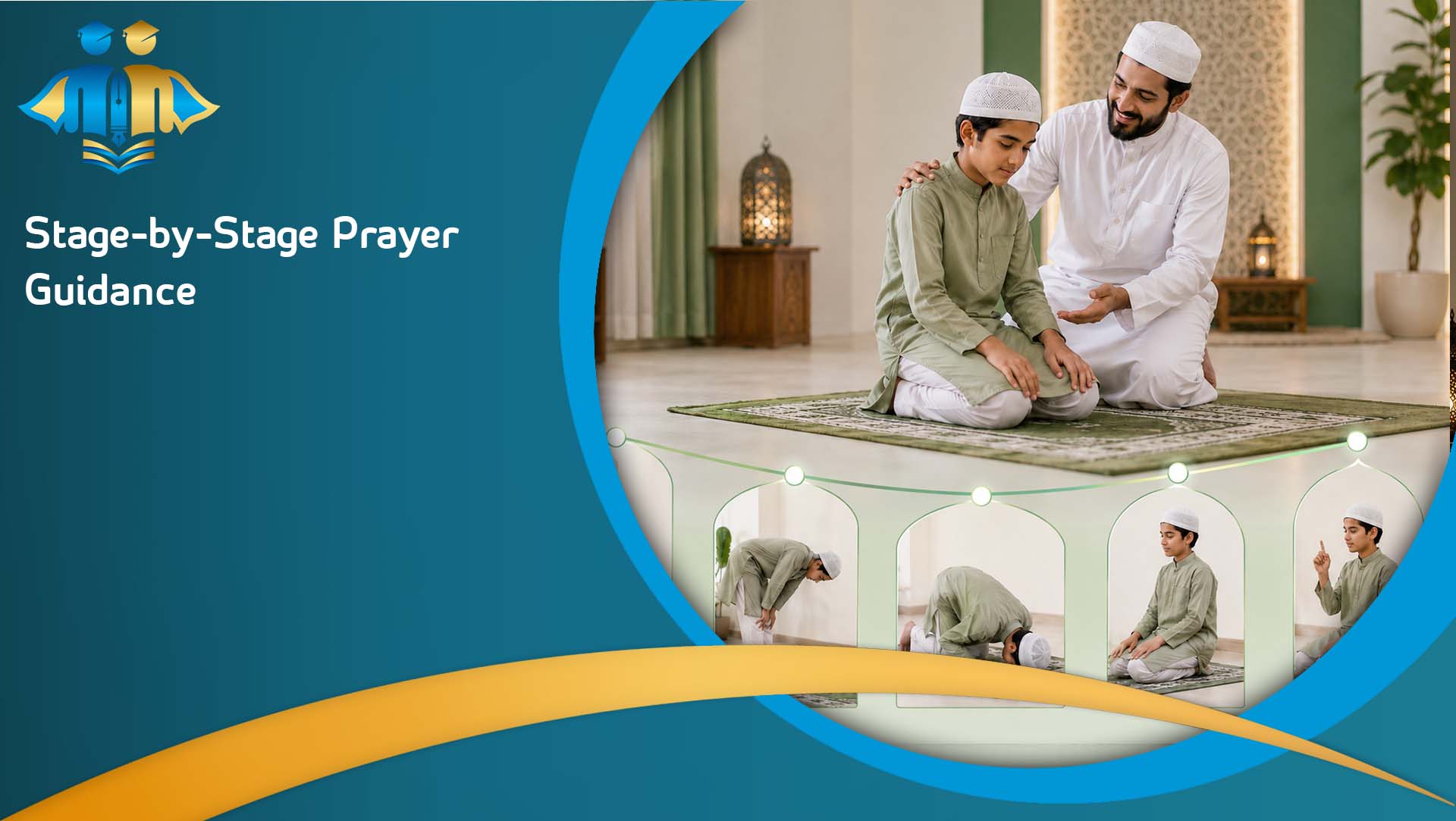
Learning to pray involves stages that help beginners progress without feeling overwhelmed.
- Stage 1: Short Supplication: New learners may begin with “Subhaan-Allaah wal-hamdu Lillaah wa laa ilaaha ill-Allaah wa Allaahu akbar wa laa hawla wa la quwwata illa Billaah.” This can be recited in all five daily prayers, making practice achievable immediately after conversion.
- Stage 2: Surah Al-Fatihah: Once confident with Stage 1, learners should memorize and recite Surah Al-Fatihah in Arabic, gradually including it in each rakah.
- Stage 3: Full Salah: The final stage includes complete prayer units with correct postures, recitations, and movements for all five daily prayers. Beginners advance only after mastering prior stages to prevent confusion or missed prayers.
This stage-by-stage approach supports practical learning, reduces frustration, and helps build a strong foundation in salah for lifelong practice. With a Quran tutor online, students receive guided instruction that reinforces correct understanding and steady progress from the very beginning.
Step-by-Step Salah
Each prayer consists of rakahs, units that follow a sequence of standing, reciting, bowing, prostrating, and sitting.
- Takbir (Allahu Akbar): Raise hands and declare “Allahu Akbar” to initiate prayer.
- Hand Placement and Gaze: Men place right hand over left below the navel, women over the chest. Eyes remain focused on the ground to maintain humility.
- Recitation: Begin with “A’udhu billahi min ash-shaytanir rajeem”, followed by Bismillahir Rahmanir Raheem and Surah Al-Fatihah. End silently with “Ameen.”
- Ruku (Bowing): Say “Allahu Akbar”, bow with hands on knees, back straight, reciting “Subhana Rabbiyal-Adheem” at least three times.
- Sujud (Prostration): Say “Allahu Akbar”, prostrate with forehead, nose, palms, knees, and toes on the ground, reciting “Subhana Rabbiyal-A‘la”. Repeat a second sujud after sitting briefly.
- Tashahhud (Sitting): Sit on heels, recite Tashahhud, and include salutations on the Prophet where appropriate.
Following this sequence ensures correct prayer performance and spiritual presence in every unit. Beginners will find clarity and confidence using this method recommended by Super Muslim Quran Academy.
Practical Tips for Beginners
- Ensure clothing covers all required parts for men and women.
- Use a clean prayer mat or area to enhance focus.
- Beginners may sit if standing is difficult, performing as many positions as possible.
- Maintain attention, avoiding distractions during recitation or movement.
- Repeat key movements like sujud and tashahhud carefully in multi-rakah prayers.
These practices establish a disciplined and mindful approach, making the act of prayer spiritually enriching rather than mechanical.
Common Mistakes to Avoid
- Skipping or performing unclear niyyah.
- Incorrect Qiblah direction.
- Neglecting wudoo or ghusl.
- Distracted recitation.
- Incomplete prostration or improper posture.
Awareness of these common errors helps beginners perform prayers correctly, ensuring sincerity and spiritual benefit in each act.
Spiritual Benefits of Salah
- Deepens connection with Allah.
- Encourages daily mindfulness and discipline.
- Enhances gratitude, patience, and inner peace.
- Provides spiritual rewards and guidance in life.
- Fosters a consistent, structured routine promoting holistic growth.
A Prayer lesson for beginners cultivates these qualities, allowing each prayer to be a moment of reflection, gratitude, and spiritual enrichment.
Deepening Mindfulness During Prayer
Performing salah mindfully involves awareness of each movement, intention, and recitation. Reflection on the meanings behind words enhances focus and transforms prayer into a heartfelt conversation with Allah.
ontrolling breathing, pausing between actions, and maintaining humility further deepen the experience. Incorporating these elements daily strengthens faith, cultivates patience, and enhances spiritual resilience, providing comfort and guidance in life challenges.
Performing Prayer Under Special Circumstances
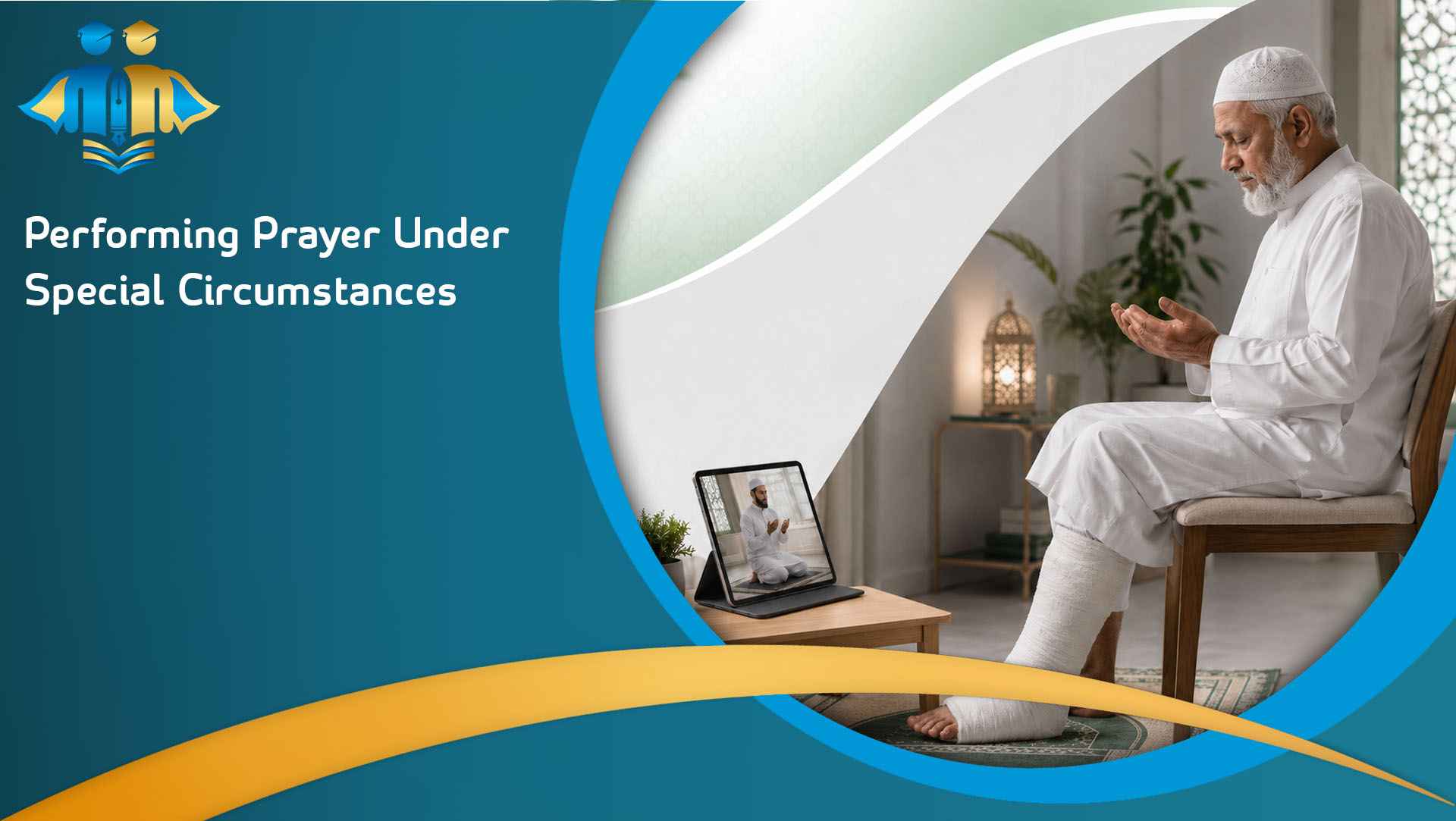
Learning to maintain proper worship in all situations ensures consistent devotion and spiritual growth for every believer.
Adjusting Prayer While Traveling
When traveling, it is permissible to shorten or combine certain units of prayer, making it easier to maintain daily worship. Travelers should plan their stops according to prayer times and find a clean, quiet space, even if temporary. Focused intention ensures that the prayer remains valid and spiritually fulfilling despite physical constraints.
Prayer During Illness or Limited Mobility
Through Islamic classes online, students learn that those facing illness or physical limitations may pray sitting or lying down while preserving devotion, focus, gentle movement, and sincere worship without unnecessary physical strain.
Maintaining Concentration in Busy Environments
Finding a quiet corner, controlling distractions, and mentally preparing before starting prayer enhances mindfulness. Visualizing each step and reflecting on the meaning of recitations deepens the connection with Allah and supports inner calm, even in hectic surroundings.
This guidance addresses scenarios not fully discussed previously, helping learners navigate real-life challenges while sustaining devotion.
FAQs
Beginners often have additional questions that go beyond the main lesson. The following addresses common points not fully discussed in the guide.
Q1: Can children practice prayer before puberty?
Yes, children are encouraged to start learning salah early. Practicing builds habit, understanding, and spiritual awareness. Guidance from Super Muslim Quran Academy ensures correct form, posture, and recitation, making learning engaging and effective.
Q2: How can I pray when traveling or sick?
Travelers or the ill may combine or shorten prayers while maintaining correct movements as much as possible. This flexibility ensures worship continues even under challenging circumstances, preserving sincerity and devotion.
Q3: What if I forget part of the recitation?
If a verse or supplication is forgotten, continue with the prayer and complete it. Intentional effort and sincerity matter more than perfection. Gradual memorization, with regular practice, ensures improvement over time.
In conclusion, a well-structured Prayer lesson for beginners equips new Muslims with the knowledge and confidence to perform salah with sincerity and devotion. By focusing on correct intentions, recitations, and postures, learners can develop a strong spiritual connection with Allah, enhancing both mindfulness and inner peace.
Super Muslim Quran Academy encourages consistent practice, helping beginners transform prayer from a routine obligation into a deeply fulfilling spiritual experience. With guidance, patience, and reflection, this lesson ensures that each act of worship becomes meaningful, rewarding, and a source of personal growth, discipline, and closeness to the Creator in daily life.

You may also like

How to Teach Kids to Speak Kindly in Islam (A 7-Day Lesson)

How to Teach Kids to Help at Home in Islam (A 7-Day Lesson)