Islamic studies for kids: Engaging Learning Programs
- Posted by Super Muslim
- Date May 13, 2026
- Categories Online Islamic studies classes
Islamic studies for kids at Super Muslim Quran Academy provide a meaningful way for children to learn about Islam in a fun, engaging, and age-appropriate environment. Through interactive lessons, qualified teachers, and structured learning plans, kids can explore Quran recitation, Islamic manners, daily duas, stories of the Prophets, and essential Islamic values with confidence and excitement. If you’re curious about Wudu step by step, it’s worth taking a look at what’s involved before you start. If you’re curious about what are the pillars of Islam explained, it’s worth taking a look at what’s involved before you start.
Modern parents often search for reliable online programs that combine authentic Islamic teachings with enjoyable learning methods, and this is exactly what a strong Islamic studies program should deliver. By helping children build a deep connection with their faith from an early age, these classes encourage positive character, stronger spirituality, and lifelong Islamic knowledge. A supportive and motivating atmosphere also helps children stay consistent and enjoy every step of their educational journey.
Islamic studies for kids at Super Muslim Quran Academy give children a balanced understanding of faith, manners, worship, and daily Islamic values through enjoyable and organized lessons. Parents often struggle to find educational methods that build knowledge without making children feel pressured or disconnected from religion.
Helping Children Build Independent Responsibility
Many parents eventually wonder how children can continue practicing Islamic values independently without constant reminders from adults every single day.
Encouraging Personal Accountability Early
Children become more responsible when parents give them small independent tasks connected to worship, manners, and personal daily responsibilities gradually. Allowing children to prepare prayer clothes, organize study materials, or track completed duas builds confidence and healthy self-discipline naturally over time. These responsibilities teach children that faith includes actions, consistency, and personal effort instead of depending entirely on parental supervision constantly.
Developing Confidence Through Small Achievements
Children often lose motivation when attention is placed only on mistakes rather than the progress they make throughout their learning journey. In Islamic classes online, celebrating small achievements helps build encouragement and confidence, as children feel their efforts are recognized and appreciated. Simple praise for memorizing a short surah or demonstrating respectful behavior can motivate them to continue improving and developing positive habits naturally.
Teaching Time Management Skills
Many children struggle to balance school responsibilities, hobbies, family time, and Islamic studieswithout structured routines that support healthy daily organization consistently. Parents can help by creating manageable schedules that include prayer, learning, relaxation, and enjoyable personal activities throughout the week naturally. Developing time management skills early allows children to reduce stress while understanding that faith remains an essential part of balanced daily life.
Learn more: Prayer lesson for beginners
Start Your Child’s Learning Journey Today
Every child deserves an encouraging Islamic learning experience that builds faith, confidence, strong character, and meaningful daily habits gradually over time. Super Muslim Quran Academy provides interactive lessons designed specifically to help children understand Islamic teachings through engaging methods and supportive guidance consistently.
Give your child the opportunity to learn in a welcoming environment where education feels inspiring, enjoyable, and connected to real daily experiences.

Teaching Through Stories And Examples
Stories remain one of the most powerful educational methods because children naturally connect with emotions, characters, and memorable life situations. The stories of Prophet Musa, Prophet Ibrahim, and Prophet Yusuf teach courage, honesty, patience, and trust in Allah beautifully.Learning Islamic manners helps Muslims develop good character and strengthen their relationship with others.
Instead of presenting information academically, teachers should explain lessons through conversations that encourage imagination, emotional understanding, and personal reflection afterward. Children remember stories longer because narratives create emotional connections that help important values remain meaningful throughout different life situations.
Teachers can enhance student engagement by encouraging children to discuss the lessons and values gained from each prophetic story after every session. When students Learn Quran online, role-playing activities can further strengthen understanding of Islamic manners, as children often absorb concepts more effectively through active participation than through passive listening alone.
Creating Positive Daily Habits
Children understand religion better when Islamic teachings become part of their normal routines instead of isolated educational activities during weekends only. Daily habits teach consistency because repeated actions slowly shape character, discipline, emotional awareness, and spiritual understanding throughout childhood development stages. Parents should focus on simple practices that children can apply naturally without pressure, confusion, or unrealistic expectations during early learning years.
- Saying Bismillah before meals encourages gratitude and reminds children that every blessing comes from Allah with wisdom and mercy.
- Praying together regularly strengthens emotional connection between parents and children while teaching responsibility, discipline, and spiritual consistency naturally.
- Encouraging short daily duas helps children remember Allah during different situations instead of limiting worship only to formal prayer moments.
During the Hijrah of Prophet Muhammad, we learn how patience, support, and encouragement can shape strong and resilient communities. In a similar way, children respond better when adults celebrate small achievements instead of constantly focusing on mistakes during learning and daily practice. Super Muslim Quran Academy encourages parents to value gradual progress, as confidence grows when children feel emotionally safe and appreciated. Moreover, children who build healthy Islamic habits early are more likely to maintain strong faith and emotional balance through adolescenc
Making Lessons More Interactive
Modern children often struggle with long lectures because they learn faster through movement, creativity, discussion, and visual educational activities combined together effectively. Interactive teaching methods improve concentration because children stay mentally involved instead of becoming passive listeners during extended educational sessions repeatedly.A Seerah and Hadith course online helps students understand the life of Prophet Muhammad (ﷺ) and his authentic teachings.
Teachers should incorporate crafts, quizzes, educational games, and hands-on demonstrations to transform complex concepts into engaging and easy-to-understand learning experiences. For students who Learn Quran and Tajweed, activities such as building a small Kaaba model can make Hajj rituals more meaningful and memorable than explanations alone. Likewise, visual prayer charts help children learn the steps of salah more quickly, reducing confusion and building confidence during practice.
Islamic songs and educational animations also improve retention because rhythm and visuals help children remember information naturally for longer periods. Additionally, classroom discussions encourage students to express opinions, ask meaningful questions, and connect lessons with real experiences from daily life. Parents can continue this approach at home by creating enjoyable Islamic activities during weekends or family learning sessions
Balancing Screen Time With Learning
Modern parents often worry about excessive screen exposure, especially when children spend long hours studying through phones, tablets, and computers daily.The best way to Arabic Letters for Quran Learning is through step-by-step lessons with qualified teachers.
Creating Healthy Digital Boundaries
Online learning becomes more effective when parents organize fixed study schedules that include breaks, movement, and offline family interaction afterward regularly. Children need clear boundaries because unlimited screen exposure may reduce concentration, affect sleep quality, and weaken emotional balance over time. Parents should encourage outdoor activities, reading sessions, and direct family conversations alongside structured educational lessons throughout the week consistently.
Making Online Classes More Effective
Children stay focused longer when parents prepare a quiet learning environment free from loud distractions, unnecessary devices, and background interruptions completely. Small adjustments like proper seating, stable internet connection, and organized study materials improve participation and learning outcomes significantly for younger students. Teachers should also vary lesson activities because children lose attention quickly when sessions depend entirely on repetitive explanations without interaction or discussion opportunities.
Strengthening Parent And Teacher Communication
Strong communication between parents and teachers helps children progress faster because both sides understand educational challenges, motivation levels, and behavioral improvements more clearly together. Many families enrolled in Islamic Courses Online benefit from regular discussions about children’s strengths, weaknesses, emotional development, and progress during lessons or home practice activities. This collaboration creates stability because children receive consistent support, guidance, and encouragement from trusted adults throughout their educational journey.
Choosing Suitable Educational Materials
Parents often feel confused when selecting Islamic educational resources because many materials lack age-appropriate explanations or engaging learning approaches for children. Effective educational content should match the child’s developmental stage while keeping lessons simple, practical, and emotionally engaging throughout the learning process.
Educational quality matters more than lesson quantity because overloaded information usually reduces understanding and creates unnecessary frustration for children learning religion. Parents should evaluate resources carefully before introducing them into home learning environments or structured educational programs for young learners.
- Choose materials that explain Islamic teachings clearly without complicated language that may confuse younger students during foundational learning stages.
- Look for programs encouraging understanding, discussion, and practical application instead of focusing entirely on memorization without emotional connection or reflection.
- Select teachers who communicate patiently because children respond better when instructors create calm and encouraging educational environments consistently.
Balanced educational materials help children enjoy learning while developing meaningful understanding that continues supporting them throughout future stages of life successfully. Parents should also remember that consistent small lessons usually produce better long-term outcomes than overwhelming educational schedules or unrealistic expectations.Understanding the Difference Between Hafs and Warsh Quran helps learners recognize the two most widely known methods of Quran recitation.
Learn More: learn arabic online in usa
Encouraging Curiosity And Questions
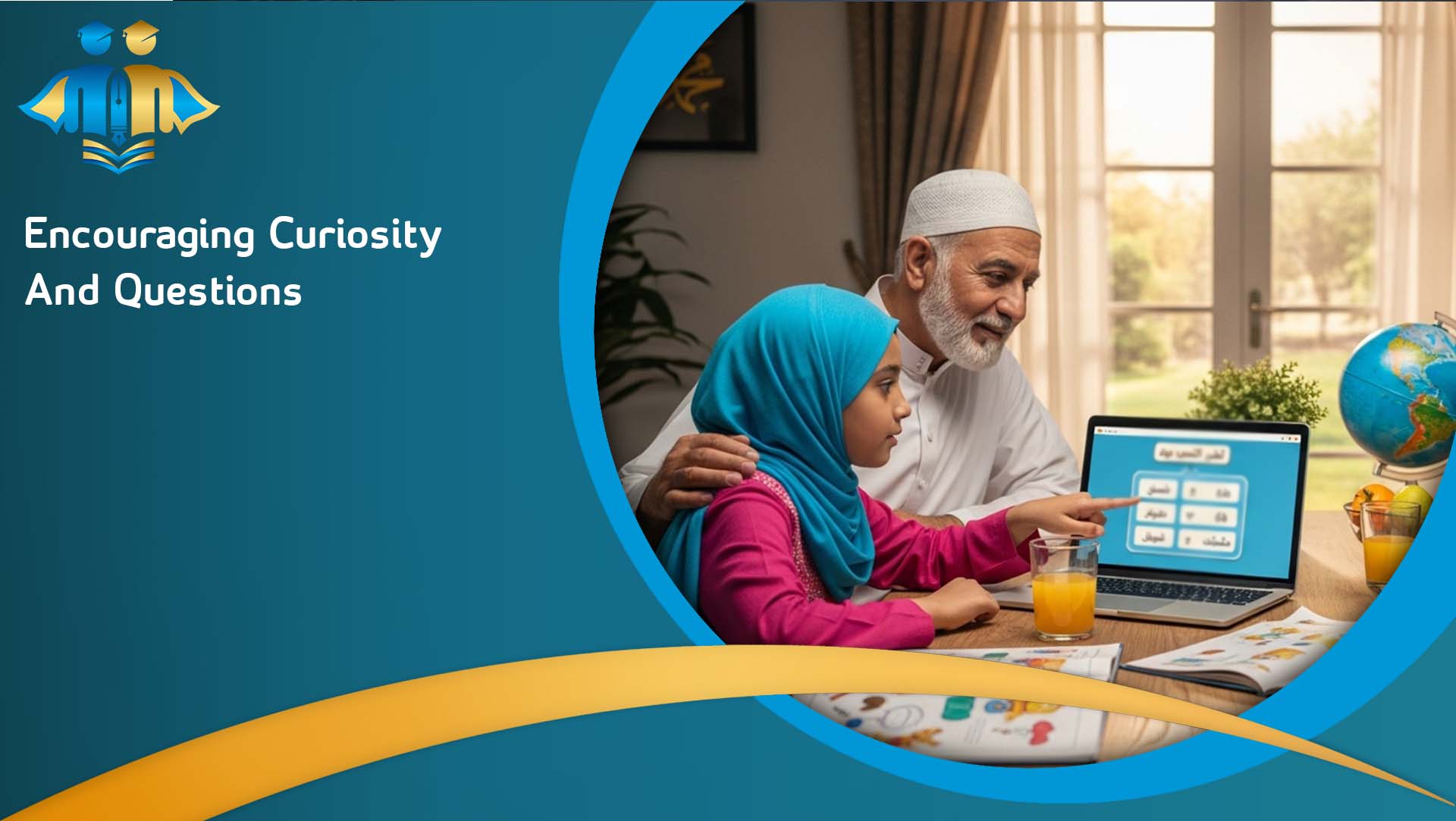
Children naturally ask difficult questions because curiosity helps them understand life, relationships, beliefs, emotions, and the world surrounding them every single day. Parents and teachers should welcome these questions because respectful discussions strengthen trust and encourage deeper engagement with Islamic learning experiences.
Ignoring questions or responding harshly often creates confusion and emotional distance that weakens the child’s confidence in seeking Islamic knowledge later. Instead, adults should answer honestly using age-appropriate explanations that simplify complex topics without dismissing the child’s curiosity or emotional concerns completely.
Furthermore, encouraging curiosity develops critical thinking skills because children learn how to analyze information carefully instead of accepting ideas blindly. Strong communication between adults and children also creates lasting trust that strengthens family relationships and supports healthy emotional development naturally.
Frequently Asked Questions
Parents often have additional concerns regarding online Islamic learning, lesson structure, teacher qualifications, and maintaining children’s motivation during educational programs consistently.
How many weekly lessons are suitable for children?
Most children learn effectively through two or three organized weekly lessons combined with consistent daily Islamic habits practiced naturally at home. Overloading schedules may reduce concentration and enjoyment, especially for younger learners who still need balance between education, playtime, and emotional rest.
Can online Islamic education improve pronunciation skills?
Yes, structured online learning helps children improve Quran recitation and Arabic pronunciation because qualified teachers provide direct corrections during live interactive sessions regularly. Consistent listening, repetition, and guided practice usually produce noticeable improvements in pronunciation accuracy and reading confidence over time.
What qualities make Islamic teachers effective?
Effective Islamic teachers communicate patiently, explain concepts clearly, encourage respectful discussions, and understand the emotional needs of children during different learning stages. Strong teachers also create welcoming educational environments where students feel motivated, emotionally supported, and comfortable asking questions without hesitation.
In conclusion, Islamic studies for kids play a major role in shaping a child’s understanding of Islam, strengthening their character, and building a lasting connection with their faith. With the guidance of experienced teachers and engaging educational methods, children can develop important Islamic knowledge while enjoying the learning process.
Super Muslim Quran Academy offers an environment where kids feel motivated, comfortable, and excited to learn Quran, duas, Islamic manners, and valuable life lessons. Early Islamic education helps children grow with confidence, respect, and strong moral values that remain with them throughout life.

You may also like
How to Teach Kids Kindness to Siblings in Islam (A 7-Day Lesson)
How to Teach Kids to Respect Parents in Islam (A 7-Day Lesson)