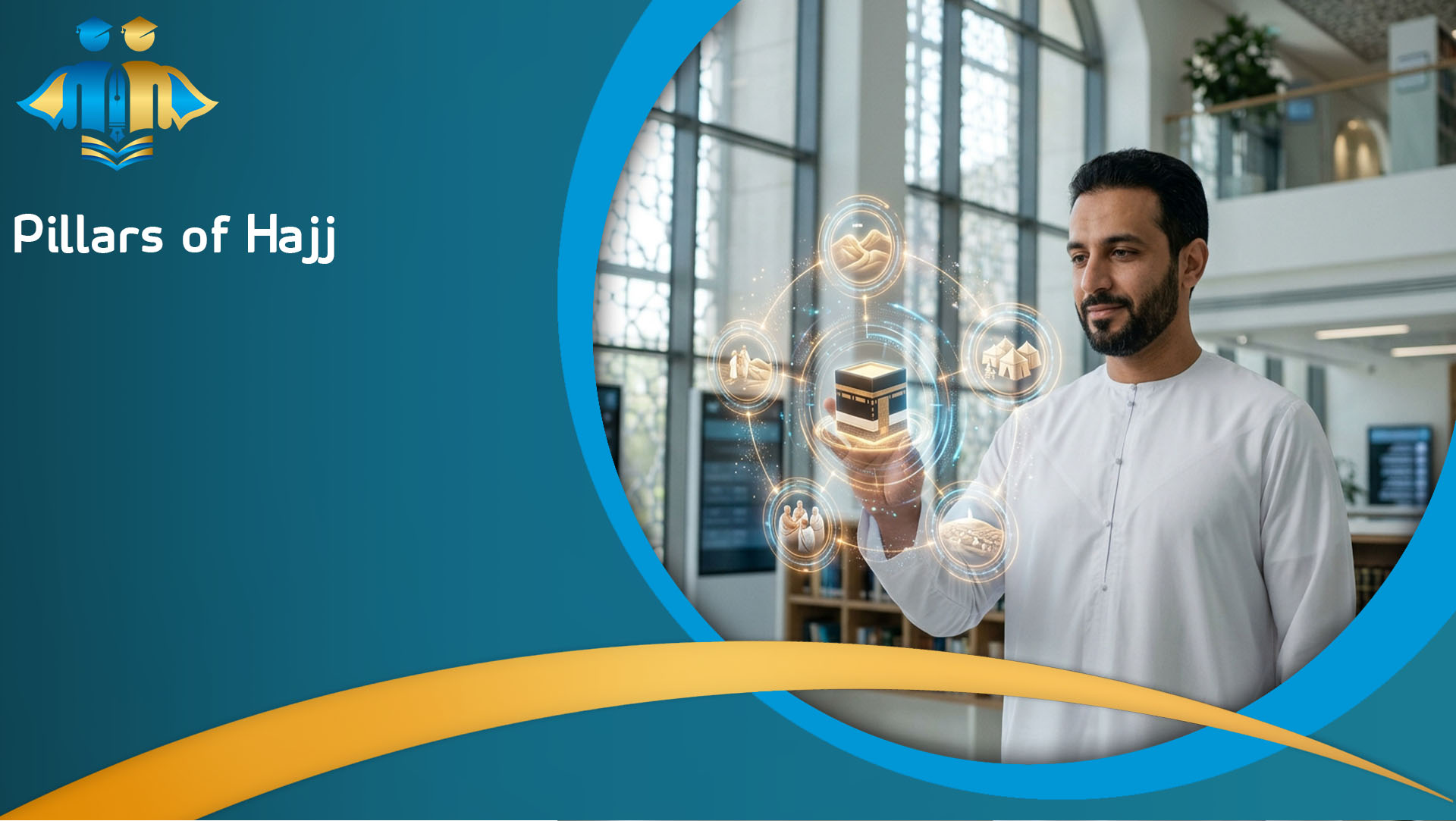
The pillars of Hajj are the essential acts of pilgrimage that Muslims must fulfill for their Hajj to be valid according to the relevant rules of Islamic jurisprudence. Understanding these requirements helps pilgrims prepare for their journey, perform each ritual …
Wudu after Ghusl is a common question for Muslims who want to understand whether performing the ritual bath is sufficient for prayer or whether they must also perform ablution. The answer depends on the type of ghusl, how it is …
Zakat Guide content helps Muslims understand the rules, conditions, calculation, timing, and recipients of one of the five pillars of Islam. Zakat is not simply an act of giving money to people in need. It is a specific act of …
New Muslim Revert Guide: First Steps in Islam can help someone who has recently accepted Islam understand what to do after taking the Shahada without feeling overwhelmed by everything they need to learn. Becoming Muslim is a profound beginning, but …
Hajj and Umrah Guide for Beginners is the ideal starting point for Muslims preparing for a sacred journey to Makkah and seeking to understand the essential rituals, preparations, and practical considerations before traveling. For many Muslims, visiting the holy places …
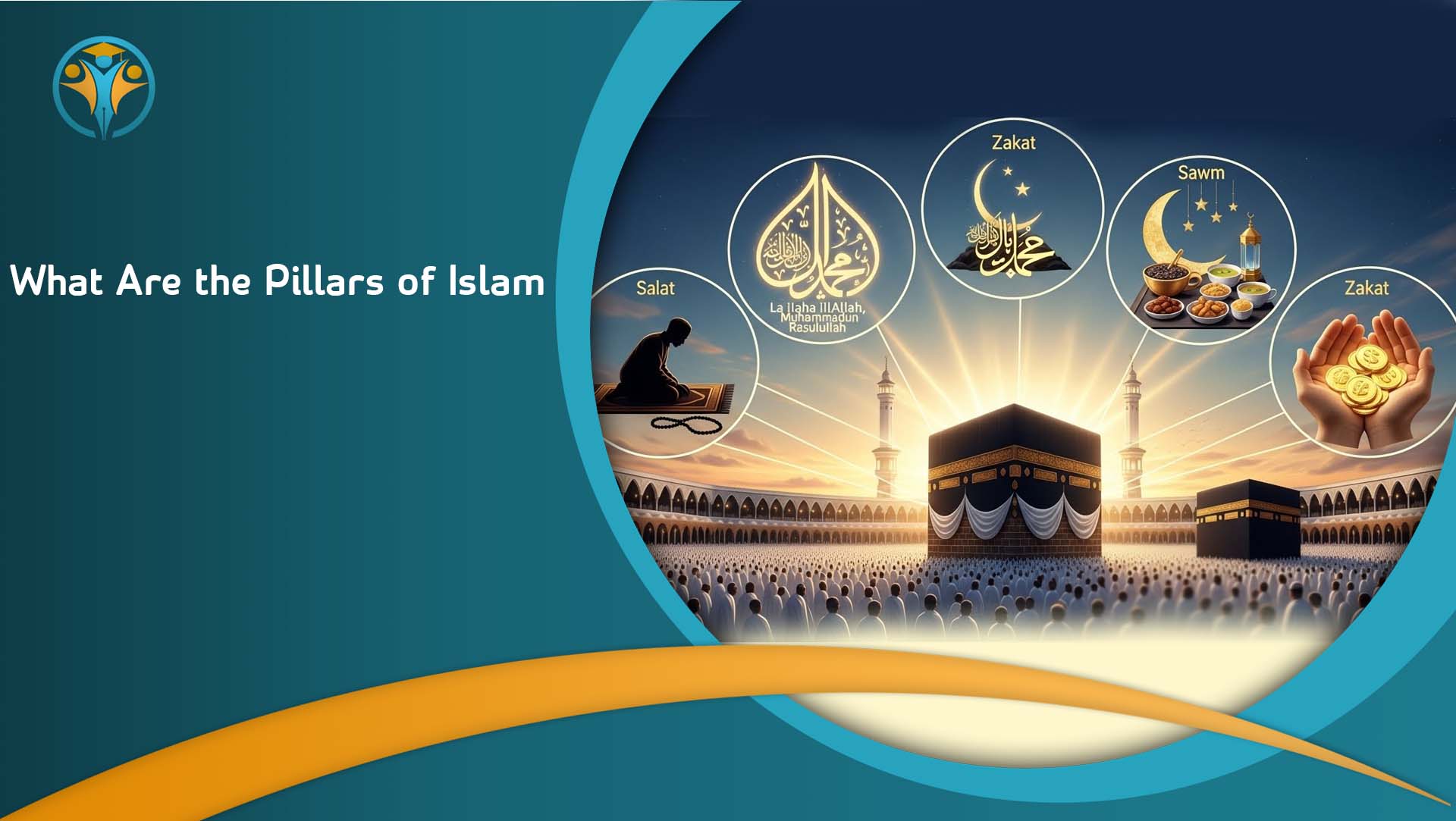
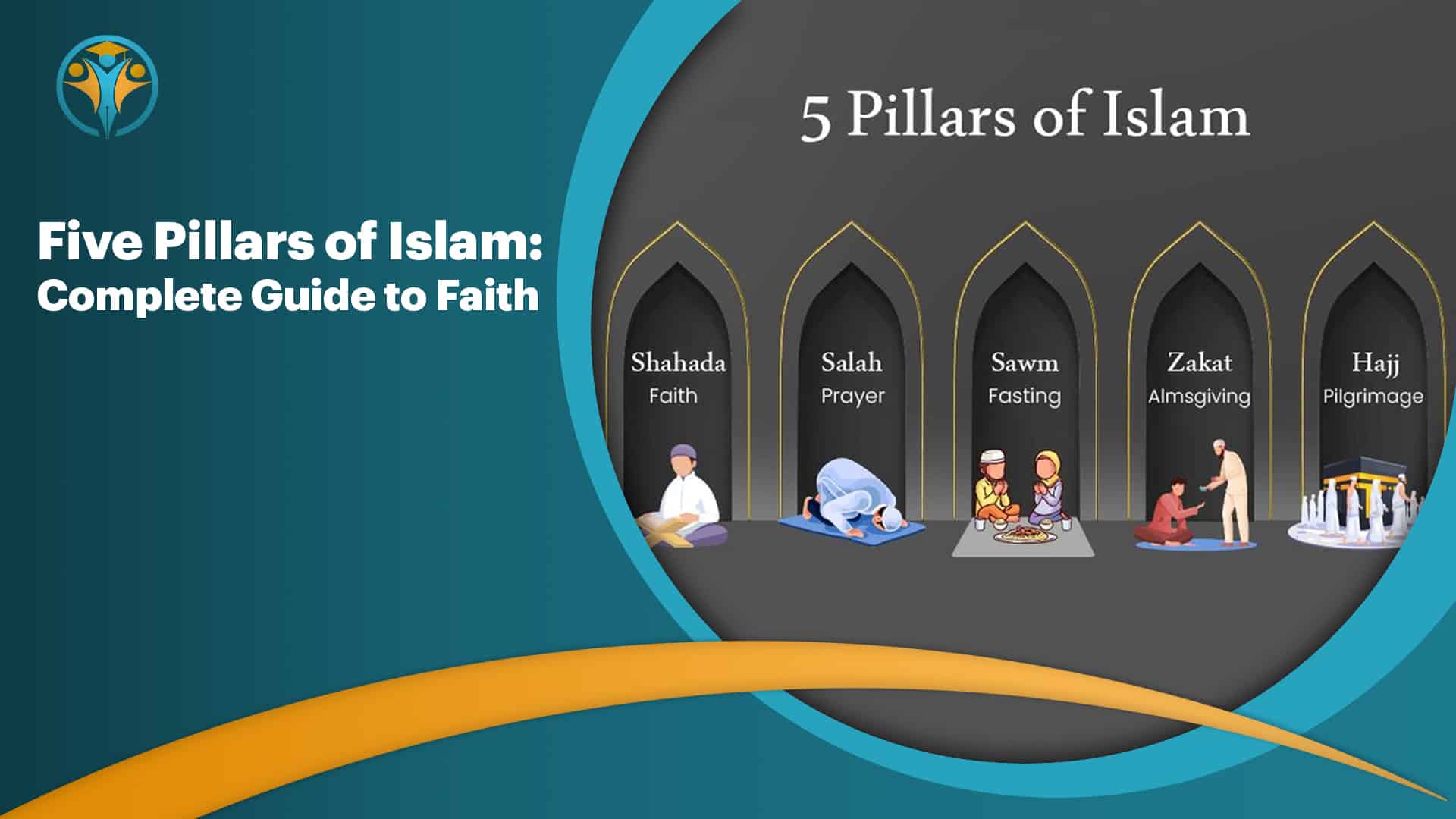
What are the Pillars of Islam? This question lies at the heart of understanding the core practices and beliefs that shape the Islamic faith. The Five Pillars of Islam are the fundamental acts of worship and devotion that every Muslim …
Good deeds in Islam are manifested in many aspects, including obeying God’s commands, avoiding forbidden things, performing obligatory acts, and performing voluntary acts of worship. Many families exploring this also ask about teach Islam to kids, which covers similar ground. …
The five pillars of Islam are the core practices of the Islamic faith are Shahada (declaration of faith), Salat (prayer), Zakat (almsgiving), Sawm (fasting), and Hajj (pilgrimage). This ties in well with wudu steps, something a lot of students …