
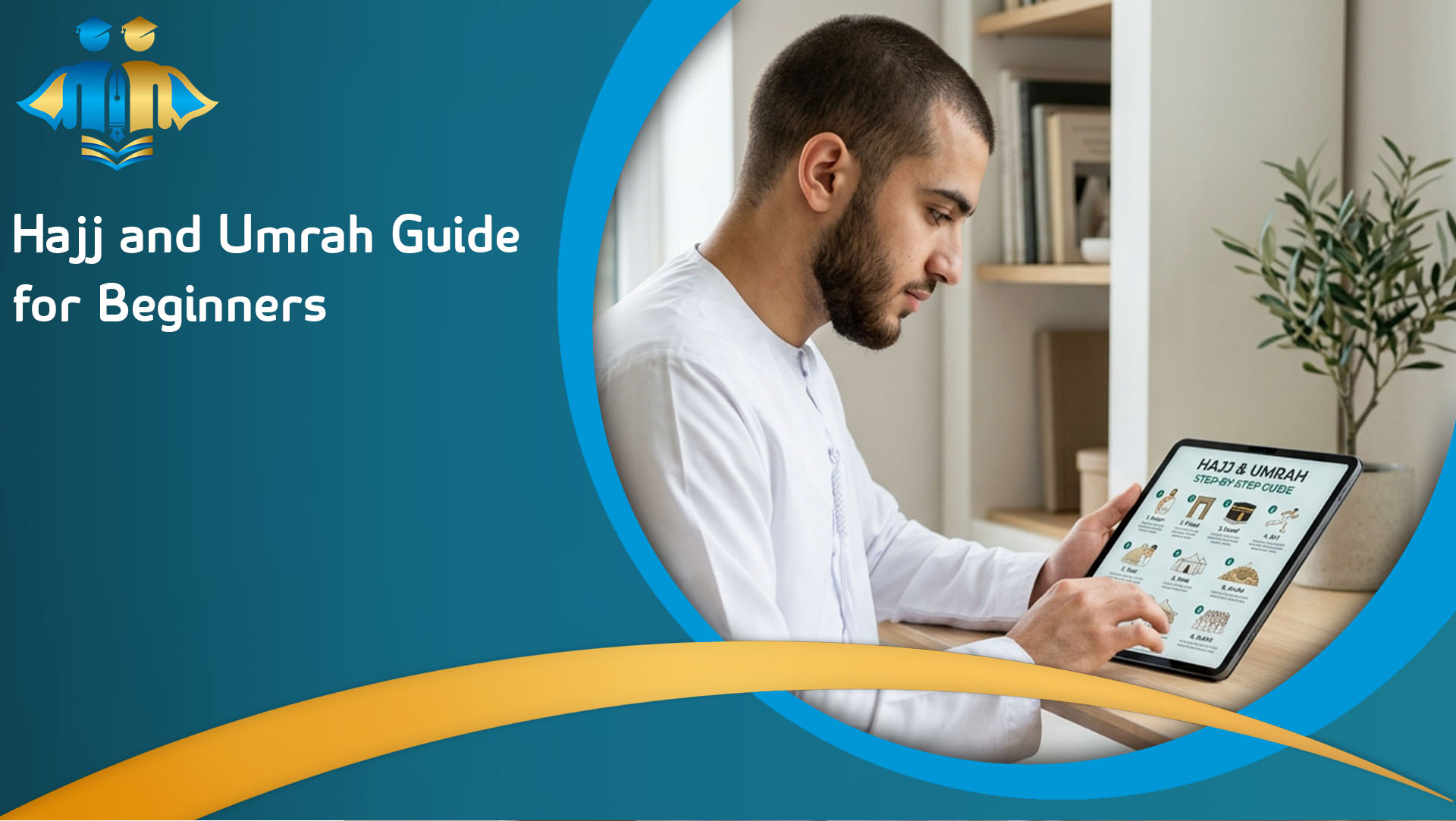
Hajj and Umrah Guide for Beginners: Step-by-Step
Hajj and Umrah Guide for Beginners is the ideal starting point for Muslims preparing for a sacred journey to Makkah and seeking to understand the essential rituals, preparations, and practical considerations before traveling.
For many Muslims, visiting the holy places is much more than an ordinary trip. It is an opportunity to worship Allah, renew faith, leave behind daily distractions, and experience a profound sense of unity with Muslims from around the world. However, preparing for Hajj or Umrah can also raise many questions, especially for someone making the journey for the first time.
This Hajj and Umrah Guide for Beginners explains the main differences between Hajj and Umrah, the basic rituals, Ihram requirements, the significance of Makkah and Madinah, and practical ways to prepare for the pilgrimage. The goal is to make the journey easier to understand while helping beginners approach it with confidence, patience, and sincere intention.
Hajj and Umrah Guide for Beginners: Rituals and Preparation
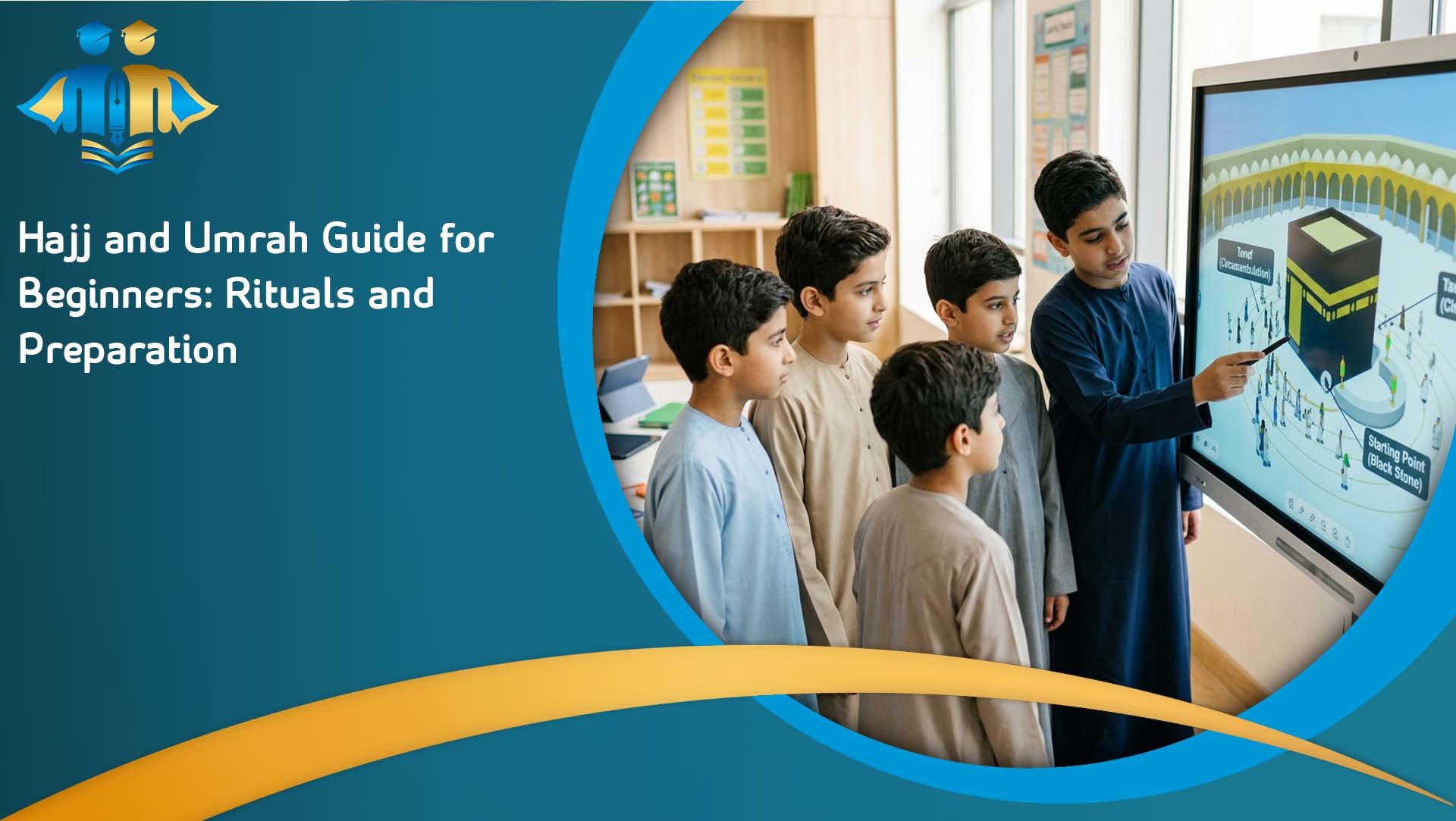
Hajj and Umrah are Islamic pilgrimages connected with Makkah and the sacred sites surrounding it. Although they share several rituals, they are not identical. Understanding this difference is one of the first steps in preparing for the journey.
Hajj is the fifth pillar of Islam. It is performed during specific days of Dhul Hijjah and includes a sequence of major rituals involving Makkah, Mina, Arafat, Muzdalifah, and other sacred locations.
Umrah, on the other hand, can generally be performed throughout the year, subject to applicable regulations and restrictions. Its rituals are shorter and primarily involve entering Ihram, performing Tawaf around the Kaaba, completing Sa’i between Safa and Marwah, and ending the pilgrimage by shaving or trimming the hair.
For beginners, learning this distinction prevents confusion and makes it easier to organize the journey.
Who Should Perform Hajj?
Hajj becomes obligatory for a Muslim who meets the relevant conditions, including having the physical and financial ability to undertake the journey safely. It is therefore not simply a matter of deciding to travel.
A prospective pilgrim should consider:
- Physical ability to complete the required rituals.
- Financial ability to cover the pilgrimage without neglecting essential responsibilities.
- Travel and legal requirements.
- Personal safety and health considerations.
- The ability to understand and perform the rituals correctly.
Because individual circumstances differ, anyone uncertain about their religious obligations should seek guidance from a qualified scholar.
Is Umrah the Same as Hajj?
No. Although both involve Ihram, Tawaf, and Sa’i, their timing, obligations, and sequence differ.
Umrah is usually much shorter than Hajj. A pilgrim may complete its essential rituals in a relatively limited period, while Hajj involves several days of worship and movement between the sacred sites.
This difference is particularly important for first-time pilgrims. A person should not assume that learning how to perform Umrah automatically provides complete knowledge of Hajj.
Start Learning the Quran with Trusted Egyptian Teachers Today
Ready to improve your Quran recitation, master Tajweed, or begin memorizing the Holy Quran with confidence? At Super Muslim Online Quran Academy, our experienced Egyptian Quran teachers provide personalized one-on-one lessons tailored to your age, level, and goals.
Enjoy flexible scheduling, live guidance, and a supportive learning environment that helps you make steady progress from the comfort of your home. Book your free trial class today and take the first step toward a stronger connection with the Book of Allah.

Hajj and Umrah Guide for Beginners: Preparing Before Travel
Good preparation can make the pilgrimage considerably easier. Spiritual preparation matters most, but practical planning is also essential.
Before leaving home, beginners should learn the rituals step by step rather than trying to memorize everything immediately before departure. Understanding why each ritual is performed can also make the experience more meaningful.
A useful preparation checklist includes:
- Learning the basic rules of Hajj or Umrah.
- Reviewing the steps of Ihram.
- Learning how to perform Tawaf.
- Understanding Sa’i between Safa and Marwah.
- Preparing appropriate clothing.
- Organizing travel documents.
- Checking current entry and pilgrimage requirements.
- Planning transportation and accommodation.
- Preparing necessary medications and personal supplies.
- Practicing patience and flexibility.
The Hajj and Umrah Guide for Beginners approach should always combine religious learning with practical preparation. A pilgrim who understands both aspects is more likely to feel calm when unexpected situations occur.
Spiritual Preparation
The pilgrimage begins before reaching Makkah. A sincere intention, repentance, prayer, and learning are valuable parts of preparation.
Try to reduce unnecessary distractions before traveling. Instead, spend time learning the rituals, making sincere supplication, and asking Allah for acceptance.
It can also help to prepare emotionally. Crowded areas, long walks, unfamiliar surroundings, and changes in routine may be challenging. Patience is therefore not merely a useful travel skill; it is an important part of the pilgrimage experience.
Physical Preparation
Hajj and Umrah can require substantial walking. Tawaf, Sa’i, movement between accommodations and mosques, and transportation between sacred sites can make the journey physically demanding.
Beginners can prepare by gradually increasing their walking activity before travel. Comfortable footwear, appropriate hydration, rest, and sensible pacing can also make a significant difference.
Do not wait until the journey begins to discover your physical limits. Preparing beforehand allows you to focus more fully on worship.
Hajj and Umrah Guide for Beginners: Entering Ihram
Ihram is both a sacred state and a significant part of the pilgrimage. It begins with the pilgrim’s intention and is associated with specific rules and restrictions.
For men, Ihram clothing traditionally consists of two unstitched pieces of cloth. For women, there is no special two-piece Ihram uniform; women generally wear modest clothing that meets Islamic requirements.
The important point is that Ihram is not simply clothing. It represents spiritual readiness and equality before Allah.
While in Ihram, pilgrims must observe specific restrictions. These rules should be studied before traveling because some actions that are normally permissible may become restricted during Ihram.
A beginner should therefore learn the details from a reliable religious source instead of relying solely on information from other travelers.
What Should Men Wear?
Men generally wear two pieces of unstitched cloth. The simplicity of this clothing removes many visible distinctions between people.
Wealth, nationality, occupation, and social position become less important. Everyone stands before Allah as a servant seeking His mercy.
This symbolism is one of the powerful aspects of Ihram and helps pilgrims remember the spiritual purpose of the journey.
What Should Women Wear?
Women do not have to wear the same white garments as men. They can wear modest, comfortable clothing that complies with Islamic requirements.
Women should also learn the specific rules relating to Ihram, including matters concerning the face, gloves, personal care, and other restrictions.
Because details can vary according to scholarly opinions, women should consult a trusted scholar or qualified instructor before traveling.
Hajj and Umrah Guide for Beginners: Performing Umrah Step by Step
Understanding the sequence of Umrah can reduce anxiety for first-time pilgrims.
The basic process includes entering Ihram, making the intention, performing Tawaf around the Kaaba, completing Sa’i between Safa and Marwah, and then shaving or trimming the hair.
The following overview provides a simple framework.
Step 1: Enter Ihram
The pilgrim prepares for Ihram before crossing the designated Miqat applicable to their travel route. After making the intention, the pilgrim enters the sacred state and begins observing its rules.
It is important to know the appropriate Miqat before traveling. Air travelers should not simply wait until they see Makkah before entering Ihram.
Step 2: Perform Tawaf
Tawaf consists of circling the Kaaba seven times.
The pilgrim begins at the designated starting point and completes seven circuits while remembering Allah and making supplication.
There is no requirement to recite one fixed prayer throughout Tawaf. Pilgrims may make personal supplications, remembrance, and appropriate prayers.
Beginners should concentrate on performing the ritual correctly rather than worrying about memorizing long texts.
Step 3: Perform Sa’i
After Tawaf, the pilgrim performs Sa’i between Safa and Marwah.
This ritual consists of seven trips between the two locations and recalls the struggle of Hajar as she searched for water for her son Ismail.
The story gives Sa’i a deeply human meaning. It reminds pilgrims of perseverance, trust in Allah, and continuing to act even during difficult circumstances.
Step 4: Shave or Trim the Hair
Umrah concludes with shaving or trimming the hair.
Men may shave or shorten their hair according to the relevant rulings, while women generally trim a small portion of their hair.
Once the required steps are completed and the relevant conditions are fulfilled, the pilgrim exits Ihram.
Hajj and Umrah Guide for Beginners: Understanding Hajj Rituals
Hajj is more extensive than Umrah because it takes place across several days and includes several sacred locations.
A beginner should learn the general sequence before traveling. The exact details can depend on the type of Hajj being performed and the individual’s circumstances.
The major stages involve:
- Entering Ihram.
- Tawaf and Sa’i according to the applicable Hajj arrangement.
- Traveling to Mina.
- Standing at Arafat.
- Spending time at Muzdalifah.
- Stoning the Jamarat in Mina.
- Completing the sacrifice where required.
- Shaving or trimming the hair.
- Performing the required Tawaf.
- Completing the remaining Hajj obligations and returning for the Farewell Tawaf when applicable.
The Hajj and Umrah Guide for Beginners should be used as a framework rather than a substitute for detailed religious instruction.
The Day of Arafat
Standing at Arafat is one of the central moments of Hajj.
Pilgrims gather in enormous numbers, praying and making supplication. The scene demonstrates the unity of Islam, as people from different languages, cultures, and countries stand together for the same fundamental purpose.
For many pilgrims, Arafat becomes one of the most emotional moments of the entire journey.
Muzdalifah
After Arafat, pilgrims proceed toward Muzdalifah according to the Hajj schedule.
Pilgrims spend part of the night there and may collect pebbles for the stoning rituals. The experience can be physically demanding, particularly because of crowds and limited personal space.
Therefore, patience and preparation are especially important.
Mina and the Jamarat
Pilgrims return to Mina for the stoning rituals involving the Jamarat.
The ritual recalls the rejection of temptation and the commitment to obey Allah. Because the area can become extremely crowded, pilgrims should follow official instructions and organized movement procedures carefully.
Never rush unnecessarily. Safety and obedience to crowd-management instructions are essential.
The Importance of Tawaf

Tawaf is one of the most recognizable rituals associated with the pilgrimage.
Seeing thousands of pilgrims circling the Kaaba can be deeply moving, but beginners should remember that Tawaf is an act of worship rather than simply a symbolic walk.
The pilgrim should maintain focus, avoid unnecessary conversation, and treat other worshippers with consideration.
Some practical tips include:
- Follow the established flow of pilgrims.
- Avoid pushing or forcing your way through crowds.
- Keep personal belongings secure.
- Remain calm if the area becomes crowded.
- Make supplication without disturbing others.
- Follow official instructions inside the Grand Mosque.
The experience becomes more meaningful when the pilgrim combines outward movement with inward reflection.
Hajj and Umrah Guide for Beginners: Sa’i Between Safa and Marwah
Sa’i commemorates Hajar’s search for water for her son.
For beginners, understanding this background can transform Sa’i from a physical activity into a reminder of faith and perseverance.
The ritual requires seven journeys between Safa and Marwah. Pilgrims should maintain an appropriate pace and remember that not everyone will be physically capable of moving at the same speed.
Elderly pilgrims, people with disabilities, and those experiencing physical difficulty may require additional assistance.
Showing patience toward other pilgrims is part of maintaining the respectful atmosphere expected during worship.
Hajj and Umrah Guide for Beginners: Zamzam Water
Zamzam holds a special place in Islamic tradition.
The well is associated with the story of Hajar and her son Ismail and remains a significant part of the experience for visitors to the Grand Mosque.
Pilgrims commonly drink Zamzam and make supplication. However, beginners should avoid turning the experience into a stressful search for a particular location or method.
Follow the current arrangements inside the mosque and respect instructions regarding drinking, containers, and movement.
The spiritual meaning is more important than the physical logistics.
Hajj and Umrah Guide for Beginners: Visiting Madinah
Madinah is not a required part of the Hajj rituals themselves, but many pilgrims choose to visit the city before or after Hajj or Umrah.
The Prophet’s Mosque, Al-Masjid an-Nabawi, is located in Madinah and is one of the most important mosques in Islam.
Visitors should remember that traveling to Madinah is separate from completing the essential rituals of Hajj or Umrah.
When visiting the Prophet’s Mosque, pilgrims should maintain respectful behavior, observe mosque regulations, and avoid turning the visit into ordinary tourism.
For many Muslims, spending time in Madinah offers a peaceful opportunity for prayer, reflection, and learning about Islamic history.
Hajj and Umrah Guide for Beginners: Transportation and Technology
Modern transportation can make movement between the holy cities and pilgrimage locations more convenient.
Saudi Arabia has developed transportation systems and digital services designed to support pilgrims, particularly during busy pilgrimage seasons.
Depending on the current arrangements, travelers may use:
- High-speed rail services.
- Organized buses.
- Taxis.
- Approved ride-hailing services.
- Dedicated pilgrimage transportation.
- Digital applications and online services.
During Hajj, specialized transportation systems can also help pilgrims move between major sacred sites.
However, beginners should always check current official instructions because transportation arrangements can change between pilgrimage seasons.
Using Digital Services
Technology can be extremely helpful during the pilgrimage. Before traveling, keep digital copies of important information where appropriate, charge your phone regularly, and learn how to access official services.
It is also wise to carry a portable charger if permitted and practical. However, technology should support the pilgrimage rather than dominate it. Spending excessive time taking photos, recording videos, or checking social media can distract from worship.
Hajj and Umrah Guide for Beginners: Staying Safe in Crowded Areas
Large crowds are one of the realities of Hajj and Umrah. A first-time pilgrim may feel overwhelmed by the number of people, especially around the Grand Mosque and during major Hajj movements.
Simple habits can improve safety:
- Stay with your group whenever possible.
- Memorize your accommodation details.
- Keep emergency contact information accessible.
- Follow official crowd instructions.
- Avoid sudden changes in direction.
- Do not push through crowds.
- Allow extra time for transportation.
- Ask authorized staff for help when needed.
If you become separated from your group, remain calm. Trying to force your way through a crowd to find them may create additional risks.
Hajj and Umrah Guide for Beginners: Dealing With Heat and Fatigue
The weather can be demanding, particularly during outdoor movement and long periods of waiting. Pilgrims should protect themselves from excessive sun exposure and avoid unnecessary physical exertion.
Useful habits include:
- Drinking water regularly.
- Resting whenever possible.
- Using appropriate sun protection.
- Wearing comfortable clothing outside Ihram requirements.
- Avoiding unnecessary walking during extreme heat.
- Seeking assistance when feeling unwell.
- Following medical and official guidance.
Do not ignore serious symptoms simply because you are determined to complete a ritual. Worship does not require reckless behavior.
Hajj and Umrah Guide for Beginners: What to Pack
Packing intelligently can make the journey much easier. Instead of carrying too many items, focus on essentials that support worship, comfort, and personal needs.
A practical list may include:
- Required travel documents.
- Appropriate Ihram clothing.
- Comfortable walking footwear where permitted.
- Personal hygiene items suitable for Ihram requirements.
- Necessary medications.
- A small water bottle where permitted.
- Phone and charger.
- Portable battery.
- Identification and emergency contact information.
- Small personal bag.
- Basic weather protection.
- Copies of important reservations and travel information.
Avoid overpacking. Large bags can become inconvenient when moving between crowded locations.
Hajj and Umrah Guide for Beginners: Common Mistakes to Avoid
A Hajj and Umrah Guide for Beginners should help first-time pilgrims understand not only what to do but also which common mistakes to avoid. Many beginners focus so heavily on completing every action correctly that they may overlook the broader spiritual purpose of the pilgrimage.
One frequent mistake is copying another pilgrim without knowing whether that person’s practice applies to their own circumstances. Similarly, some beginners assume that every action performed by a group is automatically obligatory. This can create unnecessary anxiety and confusion.
Therefore, this Hajj and Umrah Guide for Beginners recommends learning the difference between:
- Obligatory rituals.
- Recommended practices.
- Permissible personal actions.
- Cultural habits.
- Different scholarly opinions.
Another common mistake is becoming frustrated when plans change. Crowds, transportation delays, weather conditions, and official instructions may affect your schedule. For this reason, flexibility and patience are essential parts of preparing for Hajj or Umrah.
Understand What Is Required

When following a Hajj and Umrah Guide for Beginners, avoid treating every detail you see as equally important. Islamic pilgrimage includes actions with different levels of religious importance, so understanding their status can help you remain calm when unexpected situations occur.
For example, a recommended practice should not be treated as though missing it automatically invalidates the entire pilgrimage. Likewise, a cultural habit should not be confused with an established religious requirement.
A beginner should therefore study the basic obligations, necessary actions, recommended practices, and prohibited matters before departure. This approach makes the Hajj and Umrah Guide for Beginners more useful because it gives travelers a clearer understanding of what deserves their immediate attention.
When you are uncertain about a particular ritual, ask a qualified scholar rather than depending solely on what another pilgrim is doing.
Hajj and Umrah Guide for Beginners: Stay Calm When Plans Change
An important lesson in any Hajj and Umrah Guide for Beginners is learning how to manage unexpected changes. Pilgrimage involves large crowds, shared transportation, scheduled services, and official procedures. As a result, your original plan may sometimes need to change.
Instead of becoming frustrated, prepare yourself mentally for possible delays. Give yourself enough time to move between locations, follow instructions from authorized personnel, and avoid rushing through crowded areas.
Patience can also protect you from unnecessary arguments. If another pilgrim accidentally blocks your path or causes a minor inconvenience, respond calmly whenever possible.
In this way, a Hajj and Umrah Guide for Beginners is not simply a collection of ritual instructions. It can also prepare you for the practical and emotional challenges that may arise during the journey.
Hajj and Umrah Guide for Beginners: How to Make the Journey Meaningful
The pilgrimage is not simply a checklist of physical movements. A thoughtful Hajj and Umrah Guide for Beginners should also explain how each stage can become an opportunity for reflection, worship, and personal growth.
Tawaf can remind the pilgrim of devotion to Allah. Sa’i can represent perseverance and determination. Ihram can highlight equality and humility, while standing at Arafat can encourage sincere repentance, reflection, and supplication.
Therefore, try to maintain a balance between learning the technical rules and experiencing the spiritual meaning behind the pilgrimage. Understanding what you are doing can make the journey more purposeful.
This Hajj and Umrah Guide for Beginners can also help you prepare personal goals before departure. Consider writing down goals such as:
- Increasing sincerity.
- Asking Allah for forgiveness.
- Strengthening your prayer.
- Leaving harmful habits.
- Improving relationships.
- Developing gratitude.
- Making sincere supplication.
- Returning home with meaningful changes.
Hajj and Umrah Guide for Beginners: Focus on Life After Pilgrimage
One of the most valuable lessons in a Hajj and Umrah Guide for Beginners is that the pilgrimage should not be viewed as an isolated event. The journey may end when you return home, but its spiritual lessons can continue to influence your daily life.
After returning, take time to reflect on what you experienced. Ask yourself whether the pilgrimage strengthened your prayer, patience, generosity, relationships, and awareness of Allah.
You can also identify specific habits that you want to maintain. Perhaps you want to continue making regular supplications, improve your treatment of others, or become more consistent with acts of worship.
Ultimately, the best outcome is not simply being able to say that the pilgrimage was completed. Rather, it is allowing the experience to inspire meaningful and lasting changes.
For this reason, a Hajj and Umrah Guide for Beginners should encourage travelers to think beyond the journey itself and consider how its lessons can shape their lives afterward.
Hajj and Umrah Guide for Beginners: Learning With a Qualified Academy
First-time pilgrims can often benefit from structured instruction before traveling. A well-organized Hajj and Umrah Guide for Beginners course can explain the rituals in sequence, clarify common questions, and give students opportunities to review important information.
A reliable educational program can also help students understand the practical aspects of pilgrimage. Instead of encountering difficult questions for the first time in a crowded sacred location, learners can discuss them with an instructor before departure. Moreover, comparing Online Quran Classes vs Traditional Madrasa can help learners understand which educational approach may suit their preparation needs.
For people specifically searching for a Hajj and Umrah Guide for Beginners, a focused learning program can provide a convenient way to organize essential knowledge in one place. Students can review difficult topics more than once and return to lessons whenever they need clarification.
The value of structured learning is not simply memorizing instructions. A strong Hajj and Umrah Guide for Beginners should help learners understand the purpose, sequence, and basic rules of the pilgrimage. Students who prefer remote instruction can also explore Online Quran Classes on Zoom as a convenient way to study with an instructor before departure.
Hajj and Umrah Guide for Beginners: Choose Reliable Instruction
When selecting a course based on a Hajj and Umrah Guide for Beginners, consider the quality and reliability of the educational material. The instructor should explain religious matters carefully and distinguish established requirements from recommended practices and personal opinions.
It is also helpful when the course presents the rituals in a logical sequence. Beginners can then build their understanding gradually instead of trying to memorize disconnected information. Before enrolling in an online program, learners should consider the Signs of a Trustworthy Online Quran Academy to determine whether the course provides reliable instruction.
Moreover, students should have an opportunity to ask questions about situations that may apply to them personally. Individual circumstances can sometimes affect religious rulings, so general lessons should not replace qualified personal guidance.
A trustworthy Hajj and Umrah Guide for Beginners should therefore combine clear explanations, practical preparation, and appropriate religious guidance.
Hajj and Umrah Guide for Beginners: Prepare Before You Travel
Good preparation can make the pilgrimage easier and more organized. Before departure, use this Hajj and Umrah Guide for Beginners to review the rituals you will perform, identify areas that remain unclear, and prepare your personal questions.
You should also organize your travel documents, accommodation information, transportation arrangements, essential belongings, and any other requirements applicable to your journey. Understanding important Islamic dates can also support better planning, so an Islamic Hijri Calendar Guide can be a useful complementary resource.
At the same time, avoid trying to learn everything at the last minute. Studying gradually gives you more opportunities to review the information and ask questions.
A Hajj and Umrah Guide for Beginners becomes most useful when the traveler uses it as part of a broader preparation plan rather than as a substitute for qualified religious instruction.
Hajj and Umrah Guide for Beginners: Build Confidence Through Practice
Beginners may feel nervous because pilgrimage involves rituals that they have never performed before. A structured Hajj and Umrah Guide for Beginners can reduce this uncertainty by allowing learners to understand the sequence before arriving at the holy sites.
Review the steps several times and make sure you understand what you need to do at each stage. If possible, discuss difficult points with an experienced instructor or qualified scholar.
However, confidence should not turn into overconfidence. If an unexpected situation occurs during pilgrimage, do not assume that you already know the correct ruling. Instead, seek appropriate guidance.
For families supporting younger learners in their Islamic education, Islamic Parenting Tips for Raising Quran-Loving Kids can also offer ideas for developing positive Quran-related habits at home.
This balanced approach allows the Hajj and Umrah Guide for Beginners to serve its real purpose: helping first-time pilgrims become prepared, informed, patient, and focused on worship.
Hajj and Umrah Guide for Beginners: Keep the Spiritual Purpose in Mind
Finally, the most important principle of any Hajj and Umrah Guide for Beginners is remembering why you are making the journey. Learning the practical steps is necessary, but the pilgrimage also offers an opportunity for worship, reflection, repentance, gratitude, and spiritual growth.
Do not allow minor inconveniences, crowded spaces, or changes in your schedule to distract you from your purpose. When difficulties arise, use them as opportunities to practice patience and self-control.
With proper preparation and reliable guidance, beginners can approach the pilgrimage with greater confidence. More importantly, they can focus their attention on worship rather than becoming overwhelmed by uncertainty.
A complete Hajj and Umrah Guide for Beginners should therefore bring together practical preparation, basic ritual knowledge, respectful behavior, reliable religious guidance, and an understanding of the spiritual purpose of the pilgrimage.
Hajj and Umrah Guide for Beginners: A Simple Learning Plan
Beginners do not need to study everything in one day.
A simple preparation schedule can make learning easier.
Week One: Learn the Foundations
Start by learning:
- What Hajj is.
- What Umrah is.
- Who is required to perform Hajj.
- The meaning of Ihram.
- The significance of the Kaaba.
- The major sacred locations.
Week Two: Learn Umrah
Focus on:
- Miqat.
- Ihram.
- Intention.
- Tawaf.
- Sa’i.
- Shaving or trimming the hair.
- Common mistakes.
Week Three: Learn Hajj
Study:
- Mina.
- Arafat.
- Muzdalifah.
- Jamarat.
- Sacrifice.
- The different stages of Hajj.
- The Farewell Tawaf.
Week Four: Practical Preparation
Finally, review:
- Travel documents.
- Transportation.
- Accommodation.
- Packing.
- Communication.
- Crowd safety.
- Heat management.
- Emergency planning.
This gradual method can make the information much easier to remember.
Hajj and Umrah Guide for Beginners: Respecting Other Pilgrims
A Hajj and Umrah Guide for Beginners should explain not only the rituals but also how to behave respectfully around other pilgrims. Millions of Muslims may gather in the same sacred locations, especially during busy periods. Therefore, your actions can affect the comfort and safety of those around you.
Be patient while walking, waiting, eating, traveling, or moving through crowded areas. Avoid arguments, shouting, and unnecessary confrontation. If another pilgrim walks slowly, give them enough space. Likewise, if someone accidentally makes a mistake, respond with patience and kindness whenever possible.
In this Hajj and Umrah Guide for Beginners, remember that pilgrimage provides an opportunity to practice patience, humility, forgiveness, kindness, and self-control. These qualities are part of the spiritual purpose of the journey and can make the experience more peaceful for everyone.
Hajj and Umrah Guide for Beginners: Religious Questions Before Departure
An effective Hajj and Umrah Guide for Beginners cannot answer every religious question because individual circumstances vary. Your health, travel route, family situation, type of Hajj, and religious school may influence the ruling that applies to you.
For this reason, prepare your questions before traveling and discuss them with a qualified scholar or knowledgeable instructor. Getting reliable answers in advance can help you avoid confusion during the pilgrimage.
Consider preparing questions such as:
- When should I enter Ihram according to my travel route?
- What should I do if I make a mistake during a ritual?
- Which mistakes require compensation?
- What should I do if illness affects my ability to perform a ritual?
- What rules apply to women in specific circumstances?
- Which type of Hajj best suits my travel arrangements?
This preparation is an important part of any Hajj and Umrah Guide for Beginners because knowing what to do before departure can make the pilgrimage less stressful.
Hajj and Umrah Guide for Beginners: Your Final Preparation Checklist
Before leaving for the pilgrimage, review your complete plan instead of concentrating only on the religious rituals. A practical Hajj and Umrah Guide for Beginners should also encourage travelers to prepare for accommodation, transportation, health needs, and documentation.
Your final checklist should include:
- Passport and required travel documents.
- Current pilgrimage permissions and requirements.
- Accommodation information.
- Transportation arrangements.
- Emergency contact details.
- Essential medications and personal supplies.
- Appropriate clothing.
- Basic knowledge of Ihram.
- Understanding of Tawaf.
- Understanding of Sa’i.
- Familiarity with the Hajj schedule if you are performing Hajj.
- A list of personal supplications.
- A practical plan for rest and hydration.
Remember that your actual journey may not follow your preferred schedule exactly. Crowds, transportation delays, and unexpected circumstances can change your plans. Therefore, flexibility is another valuable lesson emphasized in this Hajj and Umrah Guide for Beginners. Preparation is essential, but patience is equally important.
The Journey Beyond the Rituals

The physical journey eventually comes to an end, yet the spiritual lessons of pilgrimage can remain with you long afterward. One of the main goals of a Hajj and Umrah Guide for Beginners is to help first-time pilgrims understand that the experience does not end when they leave the holy sites.
After returning home, spend some time reflecting on what you experienced and learned. Consider whether the pilgrimage influenced your relationship with prayer, family, generosity, patience, and other people.
You can also think about which habits you want to continue after returning to your normal routine. In this way, the lessons of pilgrimage can become part of your everyday life rather than remaining memories of a journey.
Ultimately, this Hajj and Umrah Guide for Beginners offers a simple message: prepare carefully, learn the rituals from reliable sources, follow official instructions, respect fellow pilgrims, and keep your intention focused on worship.
Pilgrimage is more than traveling between sacred locations. It is also an inward journey that can strengthen faith, humility, patience, and awareness of Allah.
Frequently Asked Questions About Hajj and Umrah Guide for Beginners
The following answers provide general guidance for readers using this Hajj and Umrah Guide for Beginners. However, personal religious circumstances may require advice from a qualified scholar.
1. Can someone perform Hajj or Umrah on behalf of another person?
Under certain circumstances, performing Hajj or Umrah on behalf of another person may be permitted according to Islamic rulings. However, the conditions can differ depending on whether the person is deceased or unable to perform the pilgrimage themselves. Therefore, anyone considering this should consult a qualified scholar about the specific situation before making arrangements.
2. What happens if a pilgrim forgets part of a ritual?
The answer depends on the specific action that was forgotten and its religious status. Some actions may require a particular corrective measure, while forgetting others may not invalidate the pilgrimage. Because the ruling depends on the details, pilgrims should seek qualified religious guidance as soon as possible instead of relying on assumptions.
3. Can elderly people or people with limited mobility perform the pilgrimage?
People with limited mobility may be able to perform Hajj or Umrah with suitable assistance and advance planning. Various pilgrimage services are available to support pilgrims, although individual needs differ. Before traveling, elderly pilgrims and people with mobility limitations should plan transportation, assistance, and rest according to their circumstances.
4. How early should a beginner start preparing for Hajj or Umrah?
There is no single preparation period that suits everyone. However, beginning several weeks or months before departure gives beginners more time to learn the rituals, organize documents, understand practical requirements, and prepare physically.
Starting early can also reduce last-minute pressure. As this Hajj and Umrah Guide for Beginners highlights, thoughtful preparation allows pilgrims to focus more fully on worship once the journey begins.
In conclusion, this Hajj and Umrah Guide for Beginners provides a practical foundation for Muslims preparing to visit the holy places. Hajj and Umrah are profound acts of worship that require more than arranging flights and accommodation. They require sincere intention, religious understanding, patience, and thoughtful preparation.
For first-time pilgrims, learning the sequence of the rituals in advance can make the experience much less stressful. Understanding Ihram, Tawaf, Sa’i, Arafat, Mina, Muzdalifah, and the other major elements allows pilgrims to approach the journey with greater confidence.
At the same time, preparation should remain flexible. Official instructions, transportation arrangements, crowd-management procedures, and pilgrimage requirements can change. Therefore, travelers should always verify current requirements through official sources before departure.
Most importantly, remember why you are making the journey. The heart of the pilgrimage is worship, humility, remembrance, and submission to Allah.
With proper preparation and guidance from a reliable educational resource such as Hajj and Umrah Guide for Beginners, a first-time pilgrim can approach this sacred journey with greater understanding and peace of mind.

You may also like

Pillars of Hajj: The Five Essential Rites Explained
Wudu After Ghusl: Do You Need to Perform Ablution Again?