Islamic Quran’s Profound Impact on Faith in 2026
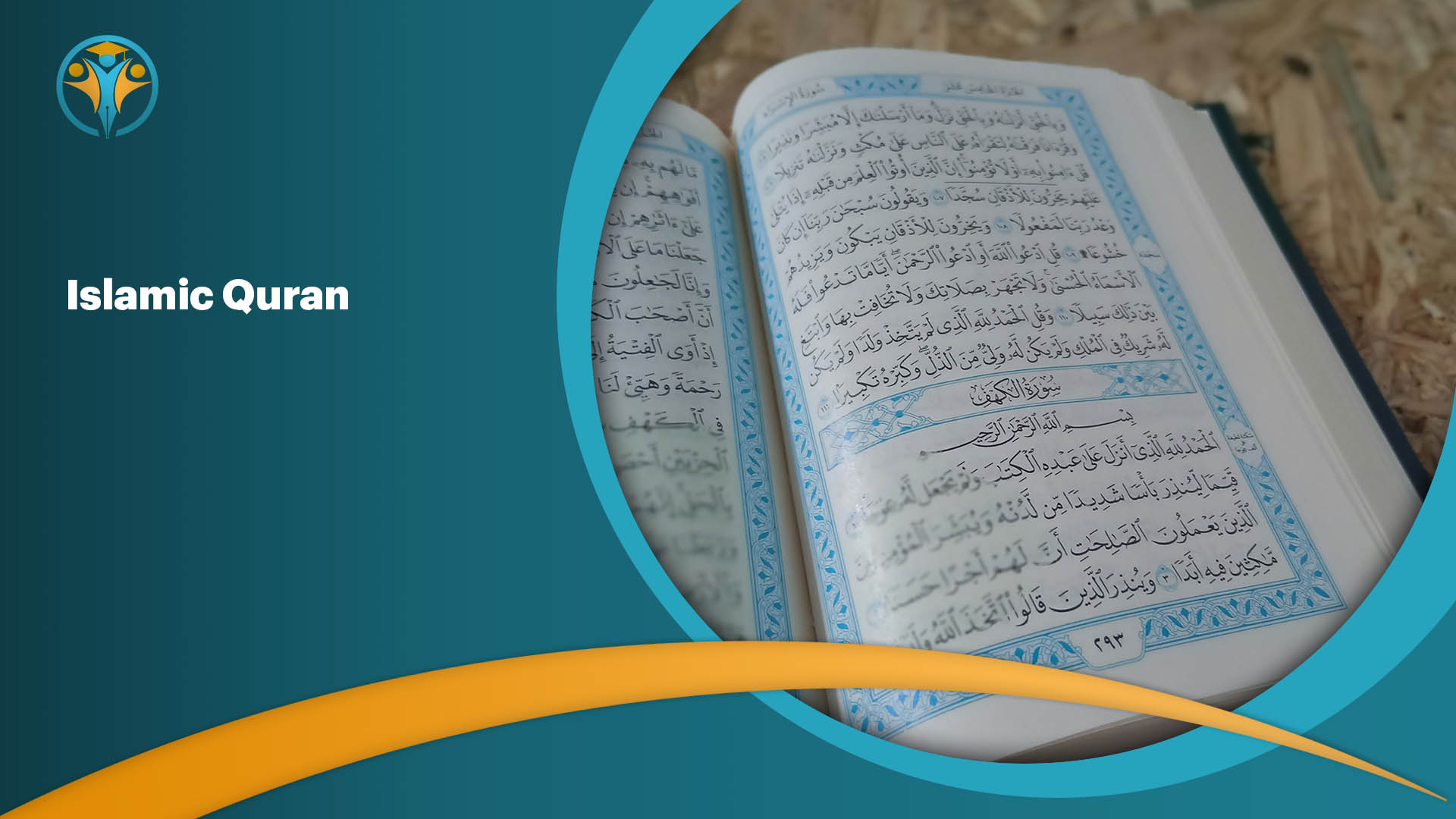
For most Muslims, learning the Quran is not treated as one subject among many, it sits at the center of religious education, and how well someone reads and understands it tends to shape their broader connection to their faith. That is part of why families put real effort into finding proper teaching rather than leaving it to whatever gets picked up informally over the years.
Why Correct Learning Matters So Much
Recitation that is technically wrong, even in small ways, is still commonly passed down informally from parent to child or repeated from memory without ever being checked by someone qualified. Over a generation, small errors can become the default rather than the exception, which is one reason structured teaching from a qualified instructor matters more than it might seem at first.
Structured Learning Versus Informal Learning
Informal learning, picking things up by listening and repeating, gets a student partway there but rarely catches subtle mistakes in pronunciation or Tajweed. A structured path, moving from Arabic letters, to accurate reading, to proper Tajweed, and eventually to memorization or deeper study, tends to produce a much stronger foundation, since each stage is checked before the next one builds on it.
Making It Accessible
Not every family has a qualified teacher nearby, which is a large part of why online Quran education has grown the way it has. A qualified online Quran teacher can work with a student anywhere, correcting recitation in real time the same way an in-person teacher would, without the family needing to live near a specific mosque or center.
Where to Begin
For beginners, the starting point is usually Arabic letters and basic reading, moving into Tajweed once reading is solid, and from there into memorization or deeper study for students who want to go further. Skipping stages tends to create gaps that show up later, so starting at the right level matters more than starting quickly.
A free 30 minute evaluation class is usually the simplest way to find the right starting point, with a teacher assessing current level before recommending a path forward.

You may also like
How to Teach Kids to Speak Kindly in Islam (A 7-Day Lesson)
How to Teach Kids to Help at Home in Islam (A 7-Day Lesson)