Benefits of One-on-One Quran Learning Sessions: Key Benefits
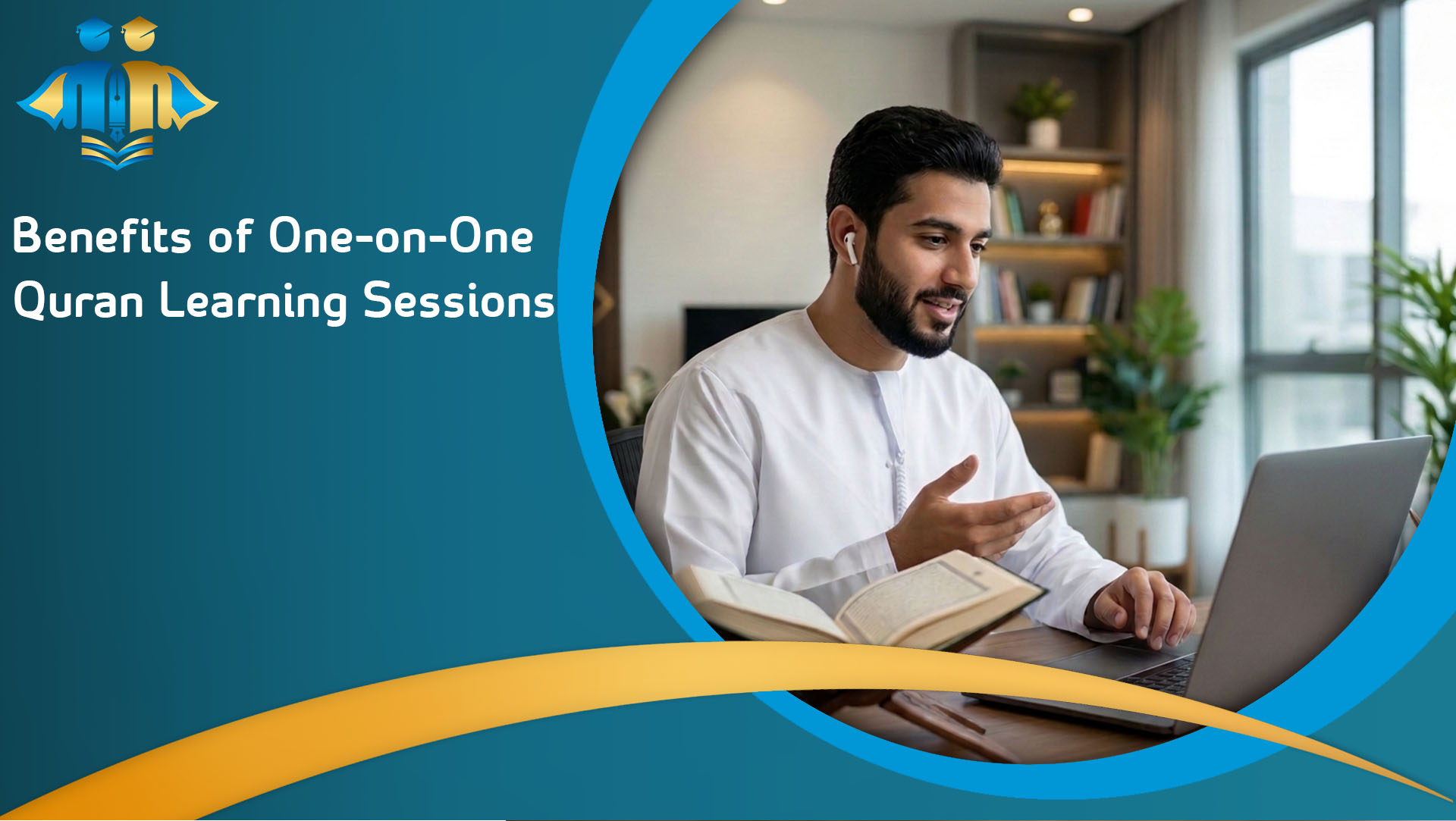
Benefits of one-on-one Quran learning sessions go beyond improving Quran recitation. Individual lessons give students the opportunity to learn at their own pace, receive direct guidance from a teacher, correct pronunciation mistakes, and build a consistent relationship with the Quran.
Whether a student is a young child, a teenager, or an adult returning to Quran study, personalized instruction can make the learning experience more focused and comfortable.
For Muslim families living in the United States, the United Kingdom, and Canada, online Quran education also offers a practical way to access structured lessons without traveling to a learning center. However, the real value of individual instruction comes from the attention students receive and the ability to adapt each lesson to their needs.
What Are One-on-One Quran Learning Sessions?
One-on-one Quran learning sessions are lessons in which a teacher works directly with one student rather than teaching a group. This arrangement allows the instructor to understand the student’s current level, learning difficulties, and educational goals.
For example, a beginner may need help recognizing Arabic letters, while an advanced student may want to improve Tajweed or strengthen memorization. Instead of following one fixed pace for everyone, the teacher can adjust the lesson according to the student’s progress.
Moreover, individual lessons create opportunities for students to ask questions freely. They can repeat difficult words, practice specific verses, and receive immediate corrections.
7 Important Benefits of One-on-One Quran Learning Sessions
Understanding the benefits of one-on-one Quran learning sessions helps parents and adult learners decide whether personalized instruction suits their educational goals.
1. Personalized Learning at the Student’s Own Pace
Every Quran student has a different starting point. Some children recognize Arabic letters but struggle to connect them, while others can read fluently but need help applying Tajweed rules.
Individual instruction allows teachers to adjust lesson difficulty accordingly. Students can spend more time on challenging topics without feeling pressured to keep up with other learners.
Furthermore, teachers can divide larger learning goals into smaller, manageable steps. This approach makes progress easier to follow and helps students develop confidence.
2. Immediate Correction of Pronunciation Mistakes
Correct pronunciation is essential when learning to recite the Quran. However, beginners may find it difficult to recognize mistakes without guidance.
During private lessons, teachers can listen carefully to every recitation and correct errors as they occur. Students can practice the correct pronunciation repeatedly until they become more comfortable with the sounds.
For instance, understanding sun and moon letters helps learners recognize how the definite article is pronounced in different Arabic words.
3. Better Understanding of Tajweed Rules
Tajweed requires both theoretical knowledge and practical application. Students need to understand pronunciation rules and apply them correctly while reading Quranic verses.
One of the important benefits of one-on-one Quran learning sessions is the opportunity to practice these rules with individual teacher feedback.
Students can work on specific topics, including tafkhheem and tarqeeq, and receive explanations based on their mistakes.
Additionally, teachers can introduce new rules gradually instead of overwhelming beginners with too much information at once.
4. Greater Confidence and Freedom to Ask Questions
Some students hesitate to speak or ask questions during group lessons. They may worry about making mistakes in front of others or interrupting the teacher.
Private instruction provides a more comfortable learning environment. Students can ask questions whenever they need clarification and repeat exercises without feeling embarrassed.
This supportive atmosphere is one of the benefits of one-on-one Quran learning sessions, particularly for children who need encouragement and adults learning Quran recitation for the first time.
5. Flexible Lessons for Busy Families
Parents often balance school schedules, work responsibilities, family activities, and religious education. Therefore, the benefits of one-on-one Quran learning sessions also include the flexibility to arrange lessons around family routines and daily commitments.
Online individual classes may offer greater scheduling flexibility than traditional group sessions. Families can explore available lesson times that fit their daily routines.
Moreover, students can learn from home without spending additional time traveling. This convenience can help them maintain a more consistent learning schedule.
6. Stronger Quran Memorization and Revision
Memorizing Quranic verses requires consistency, repetition, and regular revision. Simply learning new verses without reviewing previous material can make memorization difficult to maintain.
Individual lessons allow teachers to monitor both new memorization and previously learned passages. They can identify verses that need additional practice and adjust the revision plan accordingly.
For young beginners, Juz Amma surahs can provide a practical starting point because many families focus on shorter surahs during the early stages of memorization.
7. Lessons That Match Different Ages and Learning Goals
Children, teenagers, and adults do not always learn in the same way. A young child may benefit from visual activities and short exercises, whereas an adult may prefer detailed explanations and structured reading practice.
The benefits of one-on-one Quran learning sessions include the ability to adapt teaching methods to different ages and abilities.
For example:
- Children: Learn Arabic letters, basic reading, short surahs, and simple Tajweed rules.
- Teenagers: Improve fluency, develop memorization habits, and understand more advanced recitation rules.
- Adults: Build reading confidence, correct pronunciation, and study Tajweed systematically.
- Advanced learners: Focus on refining recitation and maintaining previously memorized portions.
How to Make Individual Quran Lessons More Effective?
Although personalized instruction offers several advantages, students also need consistent practice outside their scheduled lessons.

- Set realistic goals: Choose achievable weekly targets for reading, memorization, or Tajweed.
- Practice daily: Spend 10–15 minutes reviewing the material covered during lessons.
- Listen to accurate recitation: Follow a reliable Quran reciter to become more familiar with correct pronunciation.
- Review previous lessons: Revisit difficult words and verses instead of focusing exclusively on new material.
- Ask questions: Discuss unclear rules or pronunciation difficulties with the teacher.
Students who want to develop their recitation skills can also explore how to learn tajweed of quran through a structured combination of explanations, listening, and practical exercises.
Furthermore, learning Quranic vocabulary can improve familiarity with frequently repeated words and expressions. Exploring different ways to learn Quranic vocabulary can complement regular recitation practice.
How Super Muslim Online Quran Academy Supports Individual Learning
Choosing the right Quran learning environment helps students make steady progress. Parents should consider teacher qualifications, lesson structure, scheduling flexibility, and individual learning needs.
Super Muslim Online Quran Academy offers online Quran lessons to help children and adults improve reading, recitation, and memorization. Individual instruction allows teachers to focus on each student’s level and learning goals.
One of the benefits of one-on-one Quran learning sessions is receiving direct feedback and personalized guidance. This approach can help students correct pronunciation mistakes and practice Tajweed more effectively.
Before enrolling, parents should ask about lesson duration, teaching methods, progress monitoring, and available schedules. Super Muslim Online Quran Academy can be an option for families exploring personalized Quran education.
Frequently Asked Questions: Benefits of One-on-One Quran Learning Sessions
Explore these frequently asked questions about the benefits of one-on-one Quran learning sessions and how personalized Quran instruction supports learners of different ages and levels.
1. Are individual Quran lessons better than group lessons?
Individual lessons provide personalized attention, direct feedback, and a learning pace that matches each student’s needs. Group lessons, however, encourage interaction with other learners.
2. Are private Quran lessons suitable for beginners?
Yes. Beginners can receive step-by-step guidance in Arabic letters, pronunciation, and basic Quran reading without feeling rushed.
3. How often should students attend one-on-one Quran lessons?
Two or three lessons weekly, combined with daily practice, can help students maintain consistency and improve their recitation skills.
4. Can adults benefit from private Quran lessons?
Absolutely. Adults can improve Quran reading, correct pronunciation, study Tajweed, and develop memorization skills through personalized instruction.
Conclusion
The benefits of one-on-one Quran learning sessions include personalized instruction, immediate pronunciation correction, focused Tajweed practice, flexible scheduling, and structured memorization. These advantages can help children and adults approach Quran learning with greater confidence and consistency.
However, meaningful progress also requires patience, regular revision, and guidance from a suitable teacher. Families can explore Super Muslim Online Quran Academy to learn more about its online Quran education options and determine whether its programs match their learning goals.

You may also like

Juz Amma Surahs: Names and Order Explained

Ways to Learn Quranic Vocabulary: Practical Tips