
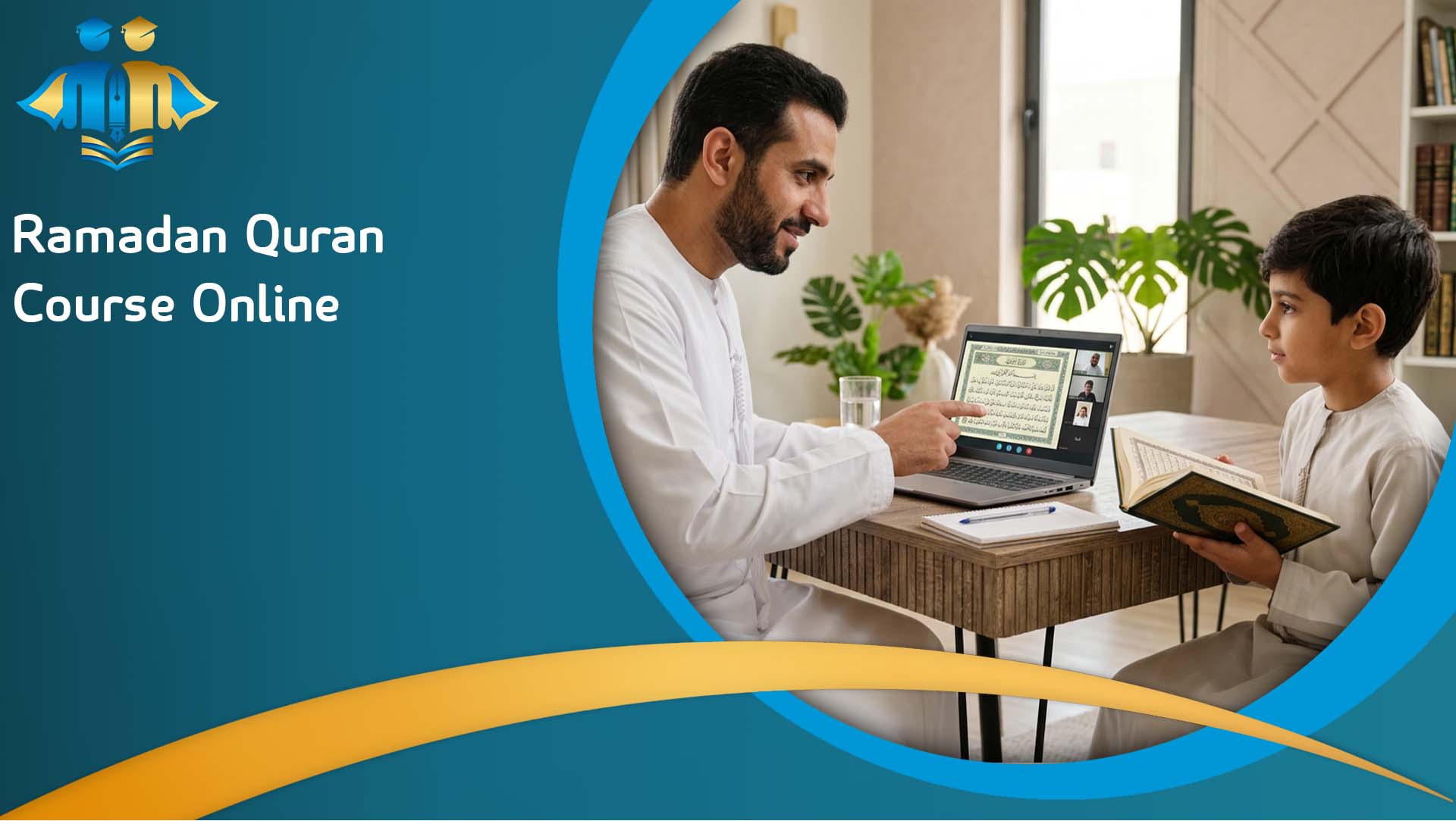
Ramadan Quran Course Online for All Learning Levels
Ramadan Quran Course Online programs help Muslims improve their Quran recitation, develop memorization skills, and build a consistent learning routine during the blessed month. For many learners, Ramadan is an opportunity to strengthen their relationship with the Quran while balancing fasting, prayers, work, and family responsibilities.
However, sincere intentions do not always translate into consistent practice. Without realistic goals and a clear schedule, learners may struggle to maintain their progress throughout the month. A well-planned Ramadan Quran Course Online can provide a structured approach that helps students organize their study time and focus on meaningful learning objectives.
Whether you are a beginner, an adult returning to Quran study, or an experienced reader seeking to refine your Tajweed, choosing the right program can make your learning journey more organized. In this guide, we explore the available learning options, practical preparation strategies, and important considerations when evaluating Super Muslim Online Quran Academy.
How Does an Online Quran Course Work During Ramadan?
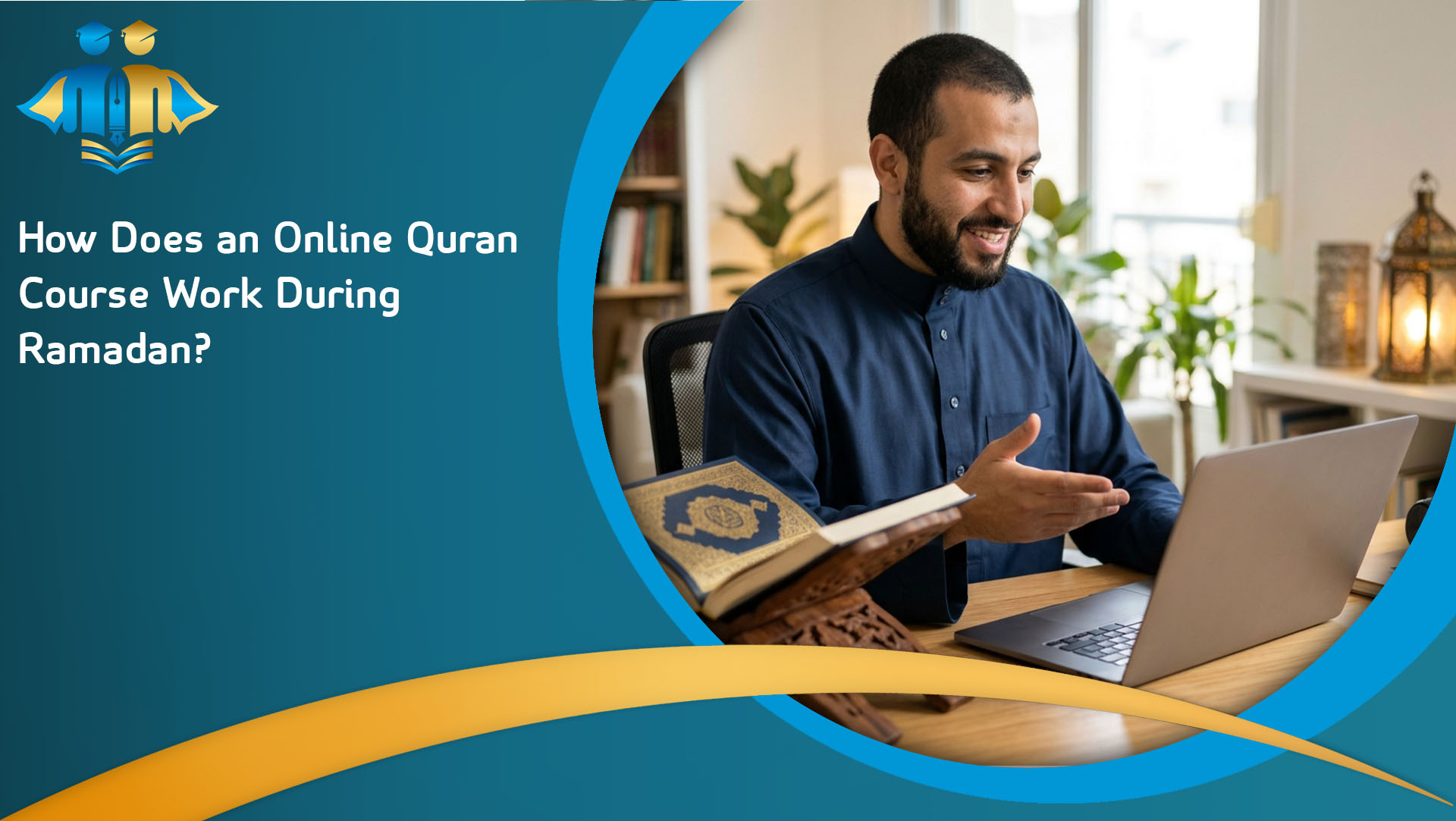
A Ramadan Quran Course Online is a structured learning program that allows students to study the Quran remotely during Ramadan. Depending on the curriculum, lessons may cover Arabic reading, correct pronunciation, Tajweed rules, memorization, or understanding Quranic meanings.
The primary purpose is to establish a manageable learning routine rather than overwhelm students with excessive assignments. Through a Ramadan Quran Course Online, learners can identify their current abilities, set achievable goals, and dedicate regular time to improving specific Quranic skills.
For example, a beginner might concentrate on recognizing Arabic letters, while an experienced reader may focus on correcting pronunciation or revising memorized passages. Consequently, the most suitable learning plan depends on individual needs and available study time.
What Can You Learn During Ramadan?
A Ramadan Quran Course Online may support several learning objectives, depending on the provider’s actual curriculum.
- Quran reading: Develop familiarity with Arabic letters, vowel markings, and connected words.
- Tajweed: Learn the rules that guide accurate Quranic pronunciation and recitation.
- Memorization: Work toward manageable memorization targets while reviewing previously learned passages.
- Quran understanding: Explore the meanings and themes of verses through reliable educational explanations.
- Reading fluency: Improve accuracy and confidence through guided practice and repetition.
Although these skills complement one another, beginners do not need to study everything simultaneously. Instead, choose one primary objective and introduce additional goals when your progress and schedule allow.
Start Learning the Quran with Trusted Egyptian Teachers Today
Ready to improve your Quran recitation, master Tajweed, or begin memorizing the Holy Quran with confidence? At Super Muslim Online Quran Academy, our experienced Egyptian Quran teachers provide personalized one-on-one lessons tailored to your age, level, and goals.
Enjoy flexible scheduling, live guidance, and a supportive learning environment that helps you make steady progress from the comfort of your home. Book your free trial class today and take the first step toward a stronger connection with the Book of Allah.

Why Choose a Ramadan Quran Course Online?
Ramadan brings changes to daily routines. Fasting, preparing meals, attending prayers, working, and spending time with relatives can leave less room for additional commitments.
A Ramadan Quran Course Online allows students to organize lessons around their existing responsibilities without needing to travel to a physical classroom. This convenience can help learners protect their study time while maintaining other important activities.
1. Learn From Home
Online learning removes commuting time and makes Quran study accessible from a suitable location. As a result, students may find it easier to fit lessons into their daily routines.
This arrangement can be particularly useful for parents, professionals, university students, and learners who live far from suitable teaching facilities.
Nevertheless, a Ramadan Quran Course Online still requires preparation. Students should arrange a quiet learning space, check their internet connection, and choose a schedule that allows them to participate without unnecessary interruptions.
2. Build a Consistent Daily Routine
Consistency is often more sustainable than attempting ambitious study targets for only a few days. Therefore, establishing a realistic routine should be a central part of your learning plan.
For example, you might reserve 15 minutes after Fajr for recitation and another short period later in the day for revision. Alternatively, one focused session may be more suitable if your responsibilities leave limited free time.
A Ramadan Quran Course Online becomes easier to maintain when students understand what they need to study, when they should practice, and how they will review previous lessons.
3. Focus on Personal Learning Goals
Every student begins with different abilities. Some learners need foundational reading instruction, whereas others already read confidently and want to refine specific Tajweed rules.
Before choosing a Ramadan Quran Course Online, identify your current level and decide which skill deserves the most attention. This approach helps prevent unnecessary lessons and makes progress easier to evaluate.
When researching Super Muslim Online Quran Academy, prospective students should ask which available learning options match their experience, preferred learning format, and personal objectives.
4. Balance Quran Study With Other Responsibilities
Convenient lesson access does not mean students should fill every available hour with learning activities. Ramadan includes worship, rest, work, and family commitments, all of which deserve appropriate consideration.
Consequently, a Ramadan Quran Course Online should fit into a balanced schedule rather than create unnecessary pressure. Select a workload you can maintain and adjust it when fatigue or unexpected responsibilities affect your availability.
Who Can Benefit From a Ramadan Quran Course Online?
A Ramadan Quran Course Online can suit learners of different ages and experience levels when the curriculum and schedule match their needs.
Beginners Learning to Read the Quran
Beginners may feel uncertain about Arabic letters, vowel markings, connected words, and pronunciation. Ramadan offers an opportunity to establish these foundations through regular practice. Their initial objectives might include:
- Recognizing Arabic letters in different positions.
- Understanding basic vowel markings and reading signs.
- Practicing simple words with appropriate guidance.
- Developing a short, repeatable daily routine.
Rather than rushing into lengthy passages, beginners should concentrate on accuracy and gradual improvement. A Ramadan Quran Course Online that accommodates foundational learning may be more appropriate than a program designed for advanced readers.
Adults With Work and Family Responsibilities
Adults often need flexibility because professional obligations and household duties compete for their attention. A practical learning plan should reflect the time they can genuinely protect.
For one person, morning lessons may be convenient; another may prefer studying after work or after breaking the fast. Before enrolling in a Ramadan Quran Course Online, consider session duration, available lesson times, and the amount of revision required.
These details can help you select an arrangement that supports steady progress without disrupting essential responsibilities.
Children and Teenagers
Young learners may benefit from age-appropriate explanations, manageable activities, and encouragement that reflects their developmental needs.
Parents should ask about the teaching approach, lesson duration, supervision requirements, and suitability of the material for their child’s reading ability. In addition, the schedule should account for schoolwork, sleep, recreation, and family activities.
A Ramadan Quran Course Online for a young beginner should emphasize appropriate learning targets rather than expect the same workload as an adult student.
Students Returning After a Break
Some learners previously studied the Quran but stopped because of changing circumstances. Ramadan can provide a meaningful opportunity to restart.
However, returning students do not necessarily need to repeat every lesson from the beginning. Reviewing familiar passages can reveal which skills remain strong and which need additional practice.
From there, a Ramadan Quran Course Online can help the learner establish achievable objectives, organize revision, and rebuild confidence through regular study.
Which Ramadan Quran Course Online Matches Your Goals?

Before enrolling, distinguish between the main learning objectives. Although some programs combine several subjects, understanding their primary focus makes it easier to select an appropriate starting point.
Quran Reading and Recitation
Reading-focused lessons help students recognize words, improve fluency, and correct pronunciation. They are especially relevant to learners who want to read more confidently during personal worship.
A Ramadan Quran Course Online focused on reading should match the learner’s current ability and allow sufficient time for guided practice. Beginners may need foundational instruction, whereas more experienced students may benefit from identifying recurring reading errors.
Quran Memorization
Memorization, commonly called Hifz, involves learning selected verses or passages and retaining them through repeated revision.
A Ramadan Quran Course Online designed around memorization should account for the student’s existing knowledge, reading accuracy, available time, and ability to review older material.
For example, learning a few verses accurately and revising them consistently may be more sustainable than attempting a large portion without sufficient review. The appropriate target varies according to individual ability and circumstances.
Tajweed Lessons
Tajweed instruction focuses on the rules and characteristics that guide Quranic recitation. Students may work on articulation points, letter characteristics, elongation rules, and other relevant topics.
The learning sequence depends on the student’s current level. A beginner may need basic reading support before studying more advanced rules, while an experienced reader may focus on correcting particular mistakes.
Therefore, choose a Ramadan Quran Course Online that addresses your actual learning needs instead of selecting a program solely because it covers many subjects.
Quran Meaning and Reflection
Understanding Quranic meanings can complement recitation and memorization. Students may explore vocabulary, themes, context, and lessons through reliable educational explanations.
However, reading a translation is not identical to studying the Arabic text or exploring its interpretation in depth. Learners should use trustworthy resources and consult qualified teachers when they encounter questions requiring further explanation.
Comparing Online Quran Learning Options
The following table outlines common learning approaches and the students who may find them useful.
| Learning option | Main objective | Suitable for | Practical consideration |
|---|---|---|---|
| Quran reading | Improve reading accuracy and fluency | Beginners and developing readers | Allow time for repeated practice |
| Tajweed | Refine pronunciation and recitation rules | Learners seeking accurate recitation | Choose material suited to current ability |
| Memorization | Learn and retain selected passages | Students pursuing Hifz goals | Schedule regular revision |
| Quran understanding | Explore meanings and themes | Readers seeking deeper comprehension | Use reliable explanations |
| Combined learning | Address multiple Quran skills | Students with sufficient study time | Prioritize objectives to avoid overload |
A Ramadan Quran Course Online does not need to include every option to be useful. The most appropriate choice is the program that supports your priorities, fits your schedule, and provides suitable instruction for your current level.
How to Evaluate Super Muslim Online Quran Academy
Choosing a learning provider requires more than finding a convenient name. Students should understand the curriculum, teaching arrangements, lesson schedules, and costs before making a decision.
When researching Super Muslim Online Quran Academy, ask which learning options suit your current ability and personal goals. A suitable Ramadan Quran Course Online should offer a clear learning path that matches your needs without creating unrealistic expectations.
Check the Curriculum
First, determine which subjects are available and whether they match your objectives. If you want to improve Tajweed, ask which rules and skills the lessons cover. If memorization is your priority, find out how new passages and revision are organized.
Similarly, beginners should establish whether the curriculum covers foundational Arabic reading or assumes that students can already read the Quran.
Before choosing a Ramadan Quran Course Online, make sure the proposed learning path reflects your starting point. You can also explore the academy’s Best Quran Teacher Online resource when researching Quran instruction and evaluating the type of guidance you need.
Ask About Teacher Qualifications
A teacher’s subject knowledge and teaching approach both matter. Ask about Quranic education, relevant Tajweed qualifications, and experience working with students at your level.
Additionally, find out how teachers identify mistakes and explain corrections. Clear feedback helps learners understand what they need to practice between lessons.
When considering Super Muslim Online Quran Academy, request information about the instructors assigned to the relevant program rather than relying on assumptions about qualifications or experience.
Understand the Lesson Format
Before committing to a Ramadan Quran Course Online, clarify whether the relevant program uses individual lessons, group sessions, recorded material, or another format.
Each arrangement has different advantages. Individual instruction may provide more opportunities for direct feedback, whereas group learning can offer shared activities and discussion.
However, the most suitable format depends on the learner’s needs, budget, schedule, and comfort with online learning. Ask the academy to explain the arrangements available for the course you are considering.
Confirm Scheduling and Costs
Ramadan schedules can change around work, prayer times, and family commitments. Therefore, ask about available lesson times, session duration, rescheduling rules, and attendance requirements.
You should also confirm the total price, payment terms, and whether learning materials involve additional costs.
Do not assume that a free assessment, a particular fee, or flexible scheduling is available unless the academy confirms it directly. Clear information helps students make informed decisions before paying.
For additional preparation, reviewing the academy’s guide to Ramadan Fasting Rules may help learners organize their Ramadan responsibilities alongside their study schedules.
Review Communication and Progress Feedback
Useful learning arrangements should make expectations clear. Before enrolling, ask how students receive feedback, how questions are handled, and how progress is reviewed.
For younger learners, parents may also want to understand how communication about lessons and learning objectives is managed.
These considerations are relevant when evaluating Super Muslim Online Quran Academy because they help prospective students understand the learning experience before making a commitment.
How to Prepare for a Ramadan Quran Course Online?
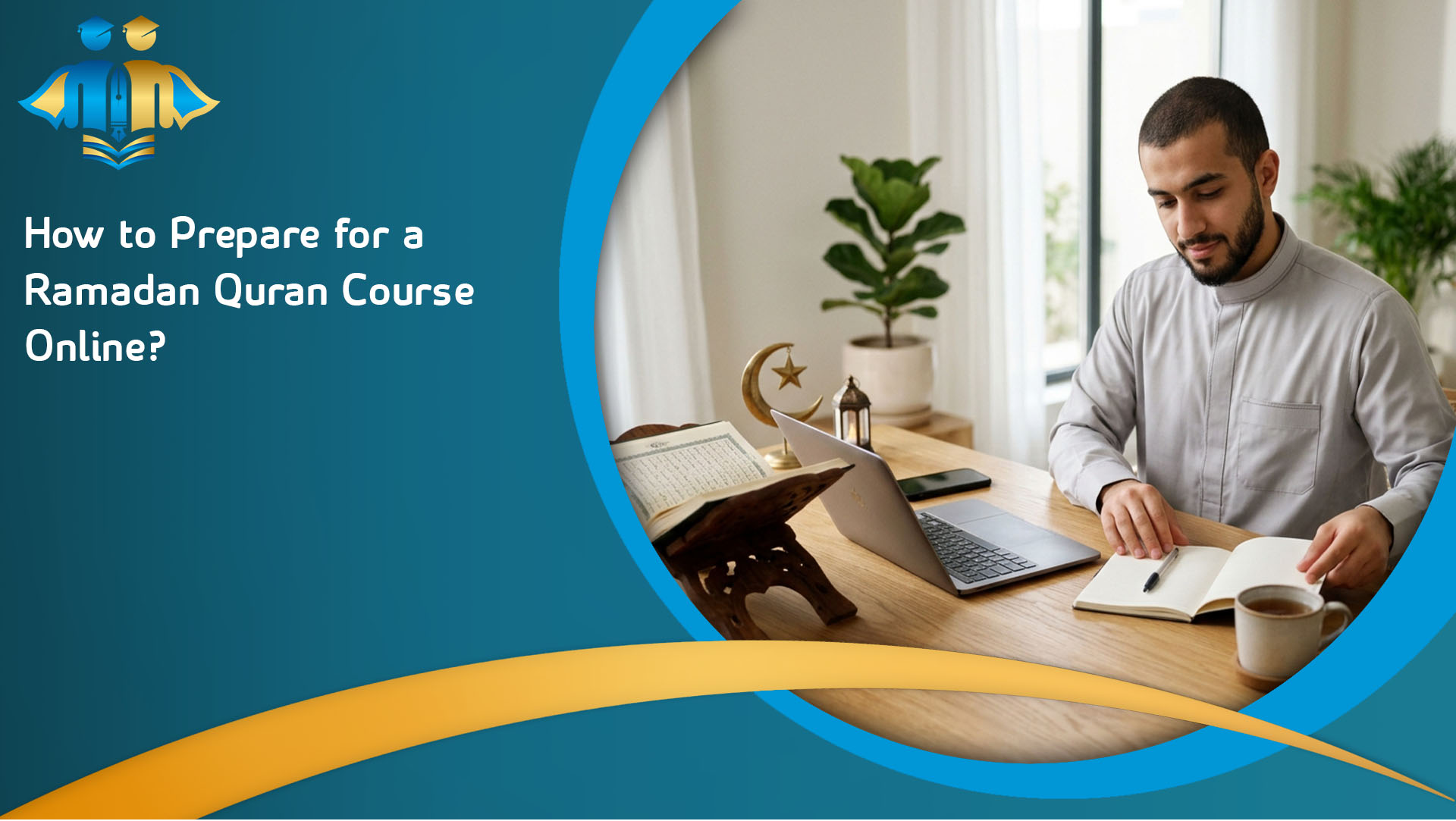
Preparation reduces uncertainty and helps students begin Ramadan with a workable plan. These steps can also help learners identify what they need from their course.
Step 1: Identify Your Main Objective
Start by completing this sentence: “By the end of Ramadan, I would like to improve…”
Your answer might be reading fluency, pronunciation, memorization, or understanding. Choose one main objective and, if appropriate, one secondary goal.
A Ramadan Quran Course Online is easier to organize when you have a clear purpose. In contrast, trying to improve every skill simultaneously may divide your attention and make progress harder to assess.
Step 2: Assess Your Current Level
Read a familiar passage aloud or review material you previously studied. Notice which parts feel comfortable and where you hesitate.
For example, you may read fluently but struggle with particular Tajweed rules. Alternatively, you may understand basic pronunciation but need more practice connecting Arabic words.
Use these observations to guide your choice of course and identify useful questions for a prospective teacher.
Step 3: Establish a Realistic Schedule
Next, examine your usual Ramadan routine. Consider work, meals, sleep, prayers, family responsibilities, and other commitments.
Choose a study period that is likely to remain available most days. You can use the following example as a starting point:
- After Fajr: Spend 10–15 minutes reading or reviewing previously learned verses.
- During a suitable break: Review notes or listen to a recitation.
- At the scheduled lesson: Focus on the day’s main learning objective.
- Before sleeping: Briefly revisit difficult words or rules.
Adjust these activities to your circumstances. They are examples, not requirements, and they should not replace necessary rest.
Step 4: Prepare Your Learning Materials
Keep your Quran, notebook, lesson notes, and recommended resources in one accessible place.
If you study online, test your internet connection and audio equipment before the lesson. Also, choose a quiet environment where you can hear the teacher and recite without unnecessary interruptions.
These preparations help reduce distractions and make each study session more productive. If you are also working on Arabic conversation, Arabic Speaking Classes may be relevant to your broader Arabic learning interests, although conversational Arabic and Quranic recitation require different skills.
Step 5: Begin With a Manageable Target
A Ramadan Quran Course Online is easier to sustain when its workload matches your ability. Rather than deciding to memorize several pages immediately, establish a target based on your current level and available time. Increase the workload only when you can maintain accuracy and revision.
In addition, record your progress so you can distinguish genuine improvement from temporary enthusiasm.
Seven Practical Steps for a More Productive Ramadan
The following steps turn general intentions into everyday actions and help learners maintain a balanced approach to Quran study.
1. Set a Clear Intention
Reflect on why you want to spend more time with the Quran. A clear personal purpose can help you return to your routine when motivation changes.
2. Choose a Specific Daily Time
Attach Quran study to an existing part of your day. For instance, you might practice after a regular prayer or before beginning your evening activities.
3. Divide Large Goals Into Smaller Tasks
Break a monthly objective into weekly and daily targets. Smaller tasks are easier to monitor and adjust when circumstances change.
4. Review Before Adding More Material
Revision helps reinforce previously learned content. Consequently, memorization plans should include time for reviewing older passages instead of focusing exclusively on new verses.
5. Record Questions and Difficulties
Keep a short list of pronunciation errors, unfamiliar rules, or questions about meanings. Bring relevant questions to your teacher or consult reliable educational references.
6. Adjust Your Plan When Necessary
Unexpected commitments, fatigue, and changing schedules may interrupt your routine. Instead of abandoning the entire plan, reduce the workload temporarily and return to your usual schedule when possible.
7. Review Your Progress Each Week
At the end of each week, consider what improved, what remains difficult, and whether the workload is realistic.
This review helps you make informed adjustments rather than measuring success solely by the number of lessons completed.
Maintaining Balance During Ramadan
Spiritual goals matter, but a sustainable routine also needs to respect physical energy and personal responsibilities.
For this reason, avoid assuming that longer study sessions always produce better results. Concentration, lesson quality, revision, and the suitability of the material all influence learning. A balanced Ramadan Quran Course Online routine may include the following practices:
- Schedule demanding study activities when you are most alert.
- Break longer sessions into shorter periods when appropriate.
- Allow sufficient time for sleep and recovery.
- Avoid comparing your progress with someone else’s.
- Reduce your workload temporarily when fatigue affects concentration.
- Preserve time for family, worship, and other responsibilities.
If your initial schedule becomes difficult to maintain, revise it instead of treating every missed session as a failure.
Students considering Super Muslim Online Quran Academy should also confirm that the expected workload and lesson times are compatible with their daily routines before enrolling. Meanwhile, learners interested in other aspects of Islamic practice can consult the guide to the Pillars of Hajj as a separate educational resource.
What Progress Can You Expect From a Ramadan Quran Course Online?
Progress depends on several factors, including your starting level, lesson frequency, teaching quality, practice habits, and the complexity of your goals.
A beginner may become more familiar with Arabic letters and reading patterns. An intermediate learner might improve selected Tajweed rules, while someone pursuing memorization may retain a manageable passage more confidently. Nevertheless, no single result can be guaranteed for every student.
Measure Improvement Beyond Lesson Attendance
Simply attending lessons does not necessarily show whether a skill has improved. Instead, use specific indicators that relate to your objective.
| Goal | Possible progress indicator |
|---|---|
| Reading | Fewer pauses or recurring reading errors in a familiar passage |
| Tajweed | More accurate application of a rule during recitation |
| Memorization | Greater accuracy when reciting previously learned verses |
| Understanding | Ability to explain the main theme of a studied passage |
| Consistency | Following a realistic routine across most planned study days |
These indicators provide a more useful picture of progress than setting a single numerical target without considering individual circumstances.
Respond to Difficulties Constructively
If progress slows, identify the cause before changing your entire plan. Perhaps the material is too difficult, the practice sessions are too long, or revision time is insufficient. In other cases, the learner may need clearer explanations or more opportunities to practice.
A small adjustment can make a routine more manageable. Therefore, review the difficulty with your teacher and agree on a practical next step.
Learners who practice ritual purification alongside their Ramadan worship may also find the separate guide to Wudu after Ghusl useful for reviewing that topic.
Continuing Quran Learning After Ramadan
The end of Ramadan does not need to mark the end of your learning routine. Maintaining a smaller, sustainable habit can help preserve the progress made during the month.
Create a Post-Ramadan Routine
Begin by identifying which activities were easiest to maintain. If you consistently read after Fajr, consider retaining that habit. If memorization became difficult alongside other commitments, reduce the target and prioritize revision. A simple routine might include:
- Daily recitation for a realistic period.
- Regular revision of memorized passages.
- One focused Tajweed topic at a time.
- Periodic review of Quranic meanings.
- A weekly check of learning goals.
A Ramadan Quran Course Online can provide a starting point for establishing these habits, but the long-term routine should fit your circumstances throughout the year.
Keep Your Goals Flexible
Your responsibilities may change after Ramadan, so your study plan may need to change as well. During busy weeks, focus on maintaining a small habit; when you have more time, increase the workload gradually.
If you plan to continue with Super Muslim Online Quran Academy, ask about suitable learning options beyond Ramadan rather than assuming a particular ongoing program exists.
The central objective is to make Quran learning a lasting part of your life, with goals that remain practical as circumstances evolve.
Continuing Quran Learning After Ramadan

The end of Ramadan does not need to mark the end of your learning routine. Maintaining a smaller, sustainable habit can help preserve the progress made during the month and support your Ramadan Quran Course Online learning goals.
Create a Post-Ramadan Routine
Begin by identifying which activities were easiest to maintain. If you consistently read after Fajr, consider retaining that habit. If memorization became difficult alongside other commitments, reduce the target and prioritize revision through your Ramadan Quran Course Online study plan. A simple routine might include:
- Daily recitation for a realistic period.
- Regular revision of memorized passages.
- One focused Tajweed topic at a time.
- Periodic review of Quranic meanings.
- A weekly check of learning goals.
A Ramadan Quran Course Online can be a starting point for establishing these habits, but the long-term routine should fit your circumstances throughout the year.
Keep Your Goals Flexible
Your responsibilities may change after Ramadan, so your Ramadan Quran Course Online study plan may need to change as well. During busy weeks, focus on maintaining a small habit; when you have more time, increase the workload gradually.
If you plan to continue with Super Muslim Online Quran Academy, ask about suitable learning options beyond Ramadan rather than assuming a particular ongoing program exists. This can help you determine whether your Ramadan Quran Course Online experience can support your next learning goals.
The central objective is to make Quran learning a lasting part of your life, with goals that remain practical as circumstances evolve beyond your Ramadan Quran Course Online schedule.
Frequently Asked Questions
The following frequently asked questions address common concerns about choosing a Ramadan Quran Course Online, managing study schedules, and continuing Quran learning after Ramadan.
1. Can I start learning the Quran during Ramadan if I cannot read Arabic at all?
Yes. You can begin by learning Arabic letters, their sounds, vowel markings, and basic reading patterns. Start with foundational material and practice regularly instead of rushing into lengthy passages before you are ready for your Ramadan Quran Course Online lessons.
2. Should I pause Quran memorization if I keep forgetting what I learned?
Not necessarily. First, review the amount you are memorizing and how frequently you revise it. You may benefit from reducing new material temporarily while strengthening previously learned passages. Persistent difficulties can also be discussed with a qualified teacher during your Ramadan Quran Course Online studies.
3. How can I continue Quran study when I travel during Ramadan?
Prepare a smaller travel routine that uses portable learning materials and realistic study periods. Download permitted resources when necessary, check internet access before scheduled online lessons, and discuss any scheduling changes with your course provider in advance to keep your Ramadan Quran Course Online learning consistent.
4. What should I ask before paying for an online Quran course?
Confirm the curriculum, teacher qualifications, lesson format, schedule, total fees, cancellation policy, and any additional charges. Also, ask how progress is assessed and what happens if the course does not match your current learning level before enrolling in a Ramadan Quran Course Online.
Conclusion:
A Ramadan Quran Course Online can help learners approach Quran study with greater structure, clearer goals, and a routine that fits their daily responsibilities. Whether you want to improve reading, refine Tajweed, memorize selected passages, or understand Quranic meanings, the first step is to identify your needs and choose a manageable learning plan.
Preparation, consistent practice, regular revision, and realistic expectations can make the learning experience more sustainable. At the same time, evaluating a course carefully helps ensure that its curriculum, teaching approach, schedule, and costs suit your circumstances.
If you are considering Super Muslim Online Quran Academy, request clear information about the available courses and arrangements before making a decision. Choose the option that aligns with your current ability and learning priorities.
Ultimately, meaningful progress does not depend on completing the largest possible workload in one month. It comes from approaching the Quran with sincerity, learning carefully, and maintaining beneficial habits beyond Ramadan.

You may also like

New Muslim Revert Guide First Steps in Islam: What to Know

Seerah and Hadith Course Online | Learn from Experts