
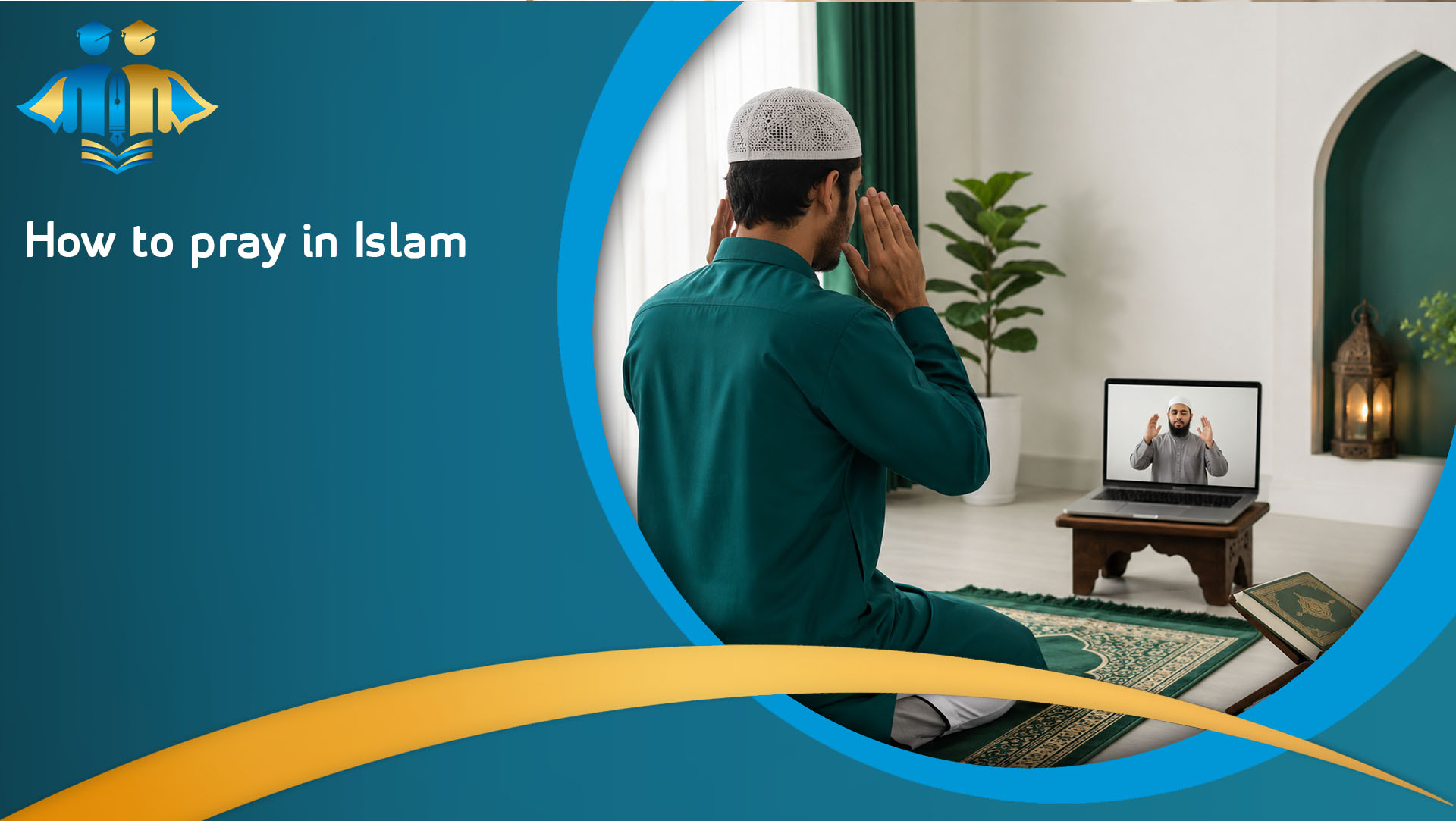
How to pray in Islam: Step-by-Step Beginner Guide
How to pray in Islam is a sacred journey, and Super Muslim Quran Academy helps learners understand each step with clarity and sincerity. Prayer is not only a daily obligation but also a source of peace, discipline, and spiritual growth. It’s a good idea to also look into what is ihram once you’ve got the basics down. If you’re curious about Seerah course online, it’s worth taking a look at what’s involved before you start.
By learning the correct times, purification, movements, recitations, and intentions, Muslims can perform salah with confidence and devotion. This guide explains the basic method of Islamic prayer in a simple way, making it easier for beginners to build a strong connection with Allah and practice worship correctly in everyday life with humility, focus, patience, and love.
Complete Guide with Super Muslim Quran Academy
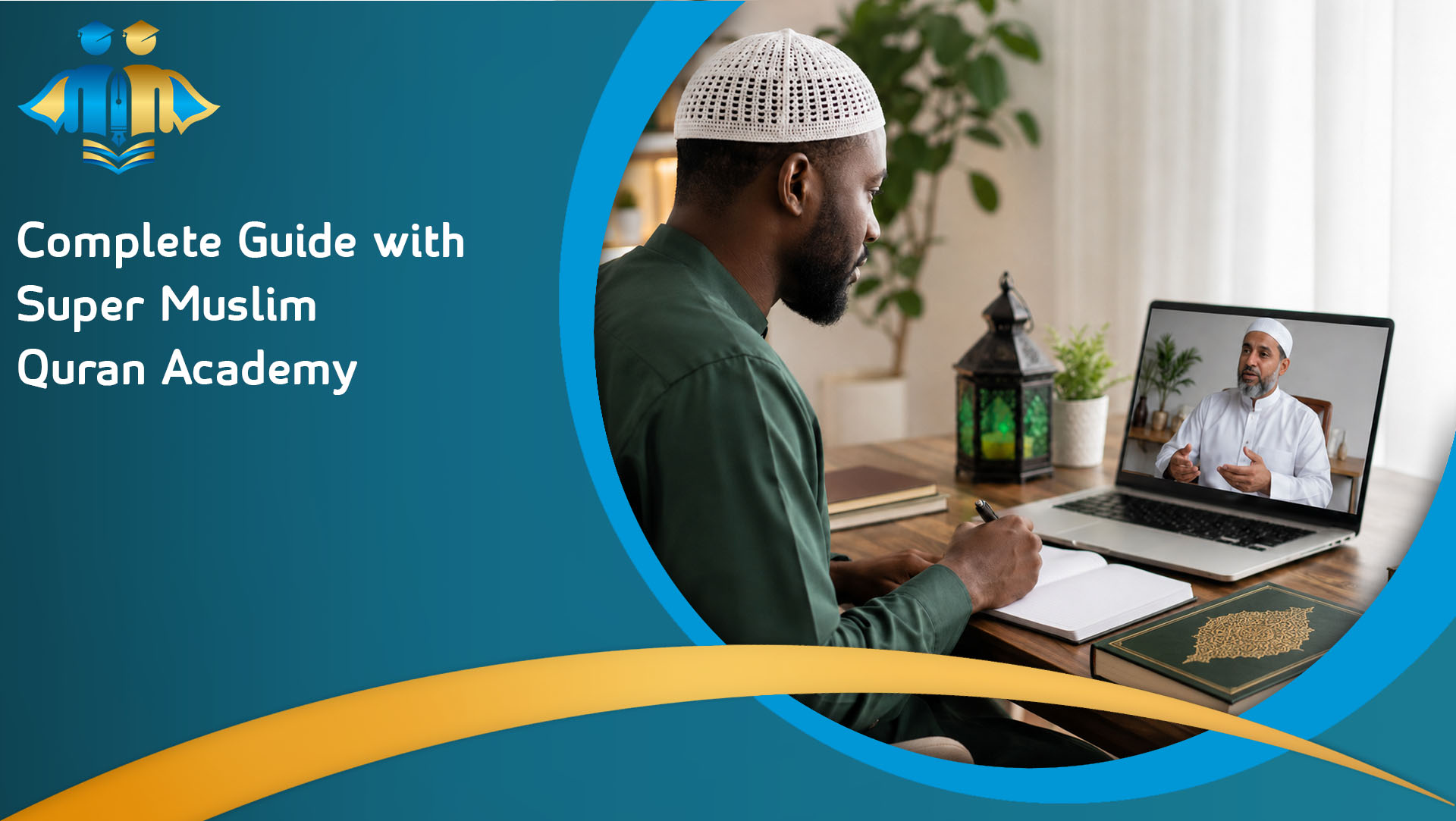
Praying in Islam is more than a ritual; it is a profound connection between a believer and Allah. How to pray in Islam is a question that many beginners and even experienced Muslims seek to perfect, ensuring their worship is sincere and complete.
Super Muslim Quran Academy emphasizes that salah (prayer) is a pillar of faith, providing spiritual nourishment, discipline, and a structured daily connection with the Creator. Whether you are performing Fajr, Dhuhr, Asr, Maghrib, or Isha, knowing the correct steps ensures your worship is valid and deeply rewarding. Learning the proper sequence, intentions, and recitations brings peace, mindfulness, and a sense of fulfillment to every believer.
At a Quran Academy online, students learn that Salah is divided into units called rakah, each including standing, bowing, prostration, and sitting positions. Understanding these units individually helps learners perform every prayer with confidence and accuracy. Additionally, the prescribed prayer times create a consistent daily rhythm, encouraging spiritual mindfulness and strengthening a Muslim’s connection with Allah throughout the day.
Beginners often have questions about intention, posture, and recitation, and this guide from Super Muslim Quran Academy answers these thoroughly, offering step-by-step clarity.
Getting Started with Salah
Before beginning, ensure you have performed wudu (ritual purification) correctly. Wudu purifies both body and mind, preparing you for complete focus on Allah during prayer.
Next, find a clean, quiet space where distractions are minimal. Facing the Qiblah, which is the direction of the Ka‘bah in Makkah, is essential for validity. Various apps or compasses can help determine the Qiblah for your location.
Once ready, make your intention in your heart or silently verbalize it. The intention, or niyyah, is the foundation of the prayer, guiding your focus throughout. For instance, if performing Dhuhr, say: “I intend to pray the four rakahs of Dhuhr for Allah facing the Ka‘bah.” Focusing fully on the prayer from this moment ensures mindfulness and devotion.
Start Your Journey with Super Muslim Quran Academy Today
If you’ve been searching for a clear and practical guide on How to pray in Islam, there’s no better time to begin than now. At Super Muslim Quran Academy, we provide step-by-step lessons that help beginners and experienced Muslims alike perform salah with full understanding, confidence, and devotion.
Our structured approach ensures you learn the correct intentions, movements, recitations, and etiquette, making every prayer meaningful and spiritually fulfilling. Don’t wait to strengthen your connection with Allah and build a consistent prayer routine.
Join our community today, follow our expert guidance, and experience the peace, discipline, and reward that comes from performing salah correctly every single day.

Step-by-Step Salah
Step-by-Step Salah: A Complete, Detailed Guide on How to Perform Each Unit of Prayer Correctly with Full Devotion and Focus
Step 1 – Raise your hands and say Allahu Akbar:
Raising your hands to your ears for men, shoulders for women, while saying “Allahu Akbar” marks the beginning of the prayer. It signifies that Allah is greater than all distractions or worldly thoughts.
Step 2 – Hand placement and gaze:
Men place their right hand over the left just below the navel; women place hands over the chest. Eyes should be focused gently on the ground where you will prostrate, maintaining humility and concentration.
Step 3 – Recite Surah Al-Fatihah:
The opening chapter of the Qur’an is essential in every rakah. Begin with: “A’udhu billahi min ash-shaytanir rajeem,” followed by: “Bismillahir Rahmanir Raheem” and continue verse by verse until completion. Saying “Ameen” at the end affirms your supplication.
Step 4 – Bowing (Ruku):
After recitation, say “Allahu Akbar” and bend at the waist, placing hands on your knees with a straight back. Recite “Subhana Rabbiyal-Adheem” at least three times to glorify Allah. Rising back to standing, say “Sami‘ Allahu liman hamidah” followed by “Rabbana lakal hamd.”
Step 5 – Prostration (Sujud):
Move into sujud while saying “Allahu Akbar.” Forehead, nose, palms, knees, and toes should touch the ground. Say “Subhana Rabbiyal-A‘la” at least three times. Sit briefly, then perform a second sujud in the same manner.
Step 6 – Sitting and Tashahhud:
After completing rakahs, sit on your heels and recite Tashahhud: “At-tahiyyatu lillah, was-salawatu wat-tayyibat…” completing the second part with the testimony of faith. If performing Fajr or Maghrib, follow up with salutations on the Prophet.
Differences Between Daily Prayers
- Fajr: 2 rakahs, recited aloud.
- Dhuhr: 4 rakahs, silent recitation.
- Asr: 4 rakahs, silent.
- Maghrib: 3 rakahs, first two aloud, third silent.
- Isha: 4 rakahs, first two aloud, remaining silent.
Each prayer varies in the number of rakahs and certain recitations, yet the essential sequence of intention, takbir, recitation, bowing, prostration, and tashahhud remains the same. Through Islamic studies online, students can gain a clear understanding of these steps, while Super Muslim Quran Academy provides detailed guidance that helps build confidence and accuracy in performing every type of salah.
Practical Tips for Beginners
- Ensure clothing covers awrah: men from navel to knees, women entirely except hands, feet, and face.
- Use a clean prayer mat or clean space.
- If standing is difficult, salah can be performed sitting, maintaining all positions as much as possible.
- Maintain focus: avoid unnecessary thoughts and distractions, keeping intention at the heart of every movement.
- Repeat the steps of sujud and tashahhud carefully in multi-rakah prayers.
Essential Points in Salah
- Niyyah (Intention): Always start with sincerity.
- Focus and humility: Direct gaze and awareness.
- Recitation: Surah Al-Fatihah followed by additional verses.
- Posture: Standing straight, bowing properly, and complete prostration.
- Final salutations: Peace and blessings upon the Prophet to end prayer.
These points, though simple, form the foundation of proper salah. Beginners may find it helpful to visualize the steps or follow guided tutorials offered by Super Muslim Quran Academy.
Subhead: Common Mistakes to Avoid
- Skipping niyyah or unclear intention.
- Incorrect Qiblah direction.
- Not performing wudu properly.
- Distracted recitation or gaze.
- Incomplete sujud or improper posture.
Focusing on these mistakes ensures your salah is valid and spiritually beneficial.
Subhead: Benefits of Correct Prayer
- Strengthens connection with Allah.
- Brings inner peace and discipline to daily life.
- Develops mindfulness and spiritual awareness.
- Enhances gratitude and reflection.
- Provides reward and forgiveness as prescribed in Islamic teachings.
By learning how to pray in Islam properly, individuals experience not only correct ritual practice but also a deeply transformative spiritual connection. With a Quran tutor online, students can receive guided instruction that helps them understand both the steps of prayer and its spiritual significance in daily life.
Deepening Your Spiritual Connection Through Mindful Prayer
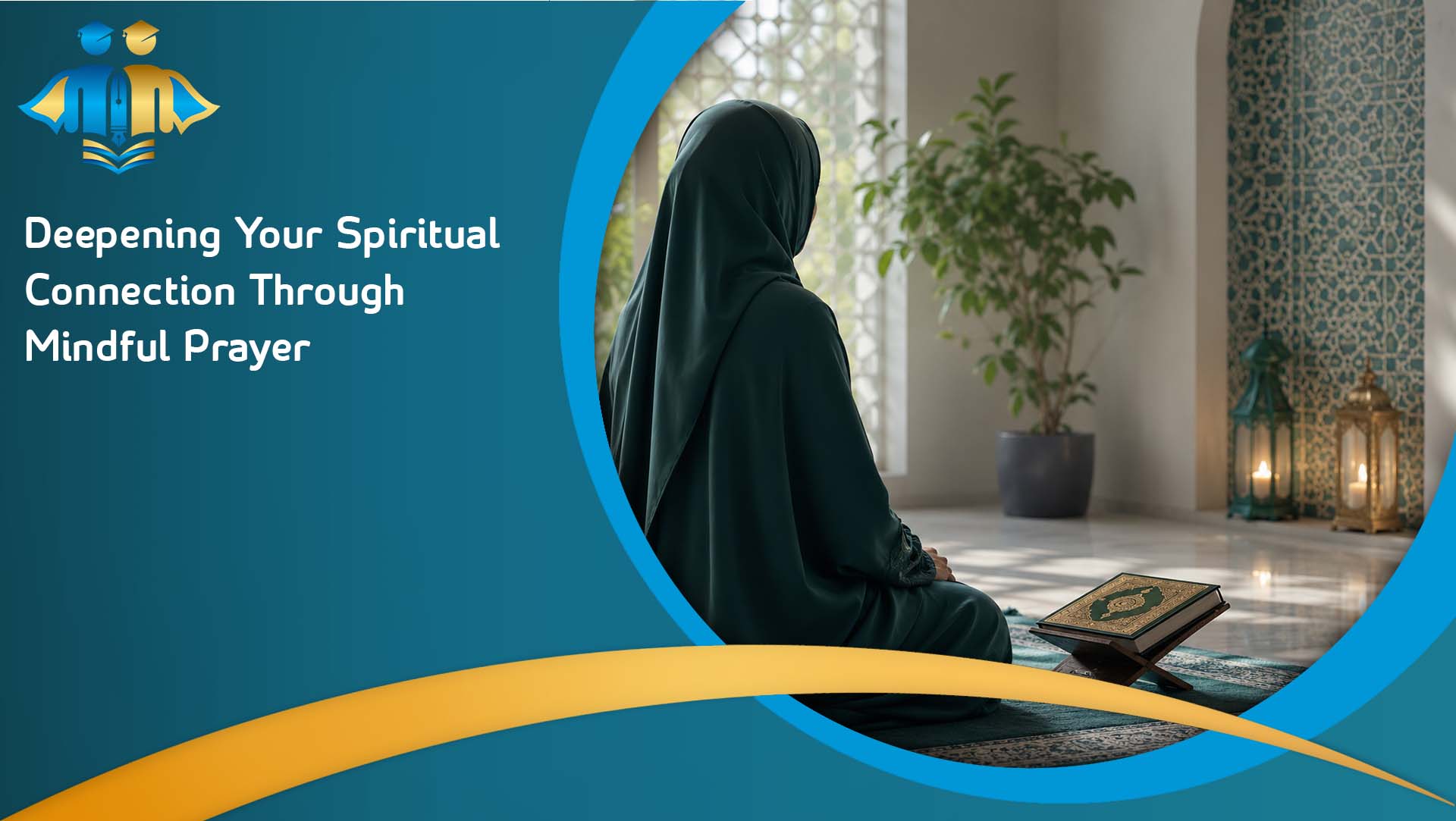
Performing prayer with mindfulness goes beyond following physical movements; it requires full awareness of the heart and mind. By focusing on the meanings behind each recitation, believers can experience a deeper connection with their Creator, transforming routine actions into a spiritual dialogue.
Even small details, like controlling breathing, pausing between movements, and maintaining humility in posture, enhance the quality of worship. Reflection on one’s intentions and gratitude during prayer cultivates patience, empathy, and inner peace.
Incorporating these practices daily allows Muslims to strengthen their faith, remain consistent in worship, and find comfort and guidance through life’s challenges while maintaining sincere devotion in every prayer.
FAQs
Many beginners or curious learners have additional questions about How to pray in Islam. The following answers cover points not discussed in the main article.
Q1: Can children learn salah before puberty?
Yes, children are encouraged to learn salah early. Practicing as a child builds habit, understanding, and spiritual connection. Super Muslim Quran Academy provides age-appropriate guidance to instill correct form and devotion.
Q2: Is it necessary to memorize all prayers immediately?
No, beginners can learn gradually. Focus first on proper movements, posture, and Surah Al-Fatihah, then gradually memorize additional surahs and supplications. Consistency matters more than speed.
Q3: What if I miss a prayer accidentally?
If a prayer is missed unintentionally, it should be performed as soon as possible. Deliberate delay is discouraged. Intention, sincerity, and effort to maintain regularity are key to maintaining spiritual discipline.
In conclusion, learning How to pray in Islam is an important step for every Muslim who wants to worship Allah correctly and sincerely. Prayer teaches discipline, patience, gratitude, and spiritual awareness throughout daily life.
With proper guidance, beginners can understand purification, intention, standing, bowing, prostration, and recitation in a clear and practical way.
Through Islamic classes online, Super Muslim Quran Academy encourages learners to approach salah with humility, consistency, and sincere love for Allah.
When prayer becomes deeply rooted in daily life and the heart, it brings peace, strengthens faith, and keeps Muslims spiritually connected to their Creator during every stage of life.

You may also like
Seerah and Hadith Course Online | Learn from Experts

What is Ihram: Rules, Meaning, and Tips