
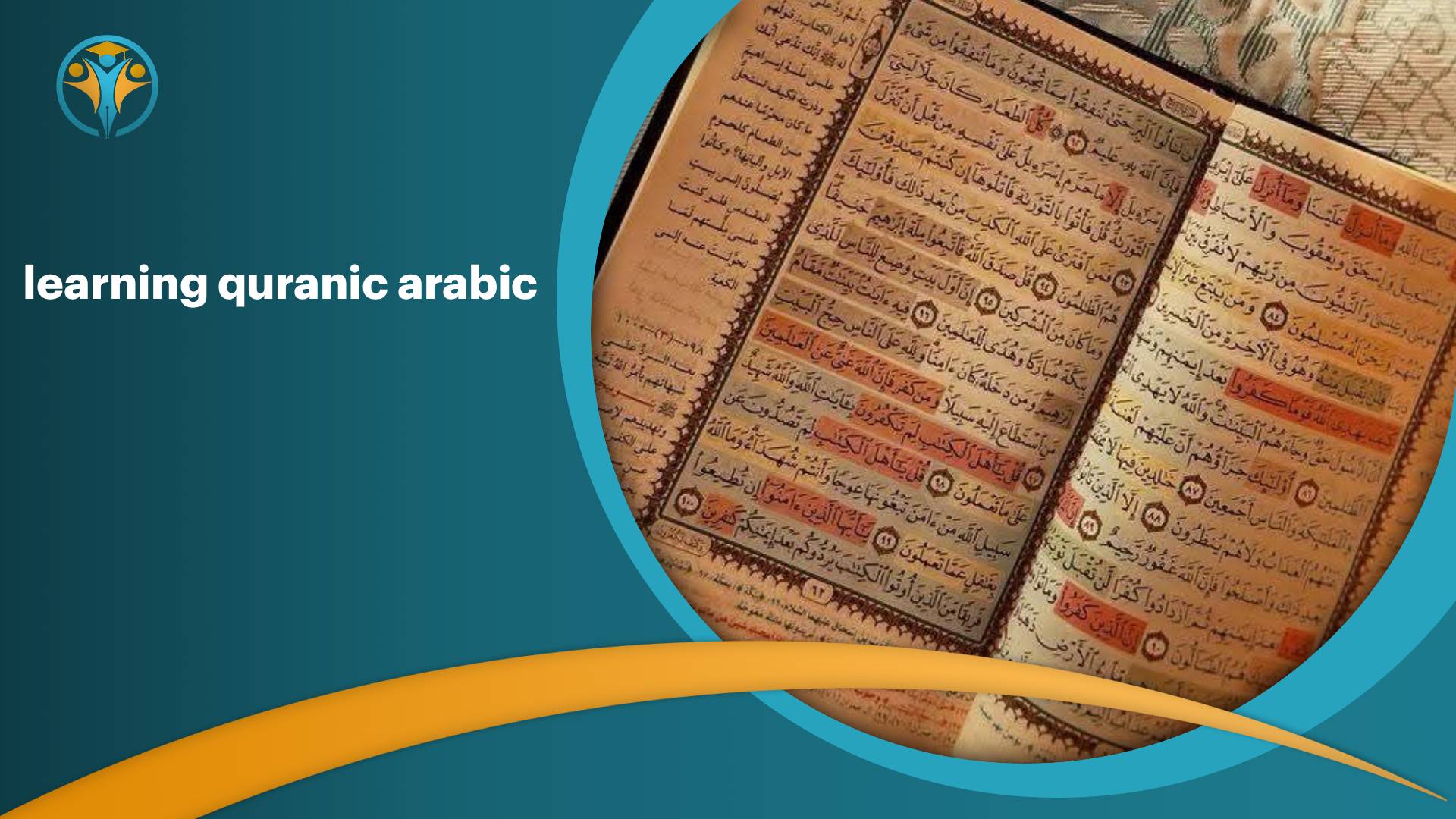
Learning Quranic Arabic 2026: Unlock a Life-Changing Skill
Quranic Arabic differs in several ways from the Arabic spoken in daily conversation across the Middle East and North Africa. Grammar structures, vocabulary, and sentence patterns used in the Quran are closer to classical Arabic, which means even fluent speakers of a modern dialect sometimes need dedicated study to fully understand the text without relying on translation.
Students usually come to this kind of study for one of two reasons: either they already read Quran but want to understand the meaning of what they are reciting, or they are studying Arabic more broadly and want a stronger grasp of the classical form used in religious texts.
Where Most Students Start
For those with little or no Arabic background, lessons typically begin with core vocabulary and basic sentence structure before introducing Quranic grammar specifically. This pairs naturally with our guide on how to study Quran, which covers reading habits that make comprehension easier once vocabulary starts to build.
Students who already recite confidently but want to move into understanding meaning often progress faster, since they are building comprehension on top of skills they already have rather than starting from reading basics.
Long Term Progress
Understanding Quranic Arabic is a gradual process, and most students see meaningful progress over months rather than weeks. Regular short sessions, generally two per week, tend to produce steadier results than occasional longer study blocks. Adult students juggling work and family commitments often prefer our online Islamic courses for beginners as a starting point before narrowing in on Quranic Arabic specifically.
A free trial lesson is available for anyone who wants to discuss their goals with a teacher before enrolling in a full course.

You may also like

Quran Learning for Non-Arabic Speakers: A Simple Guide
Arabic Letters for Quran Learning with Easy Lessons