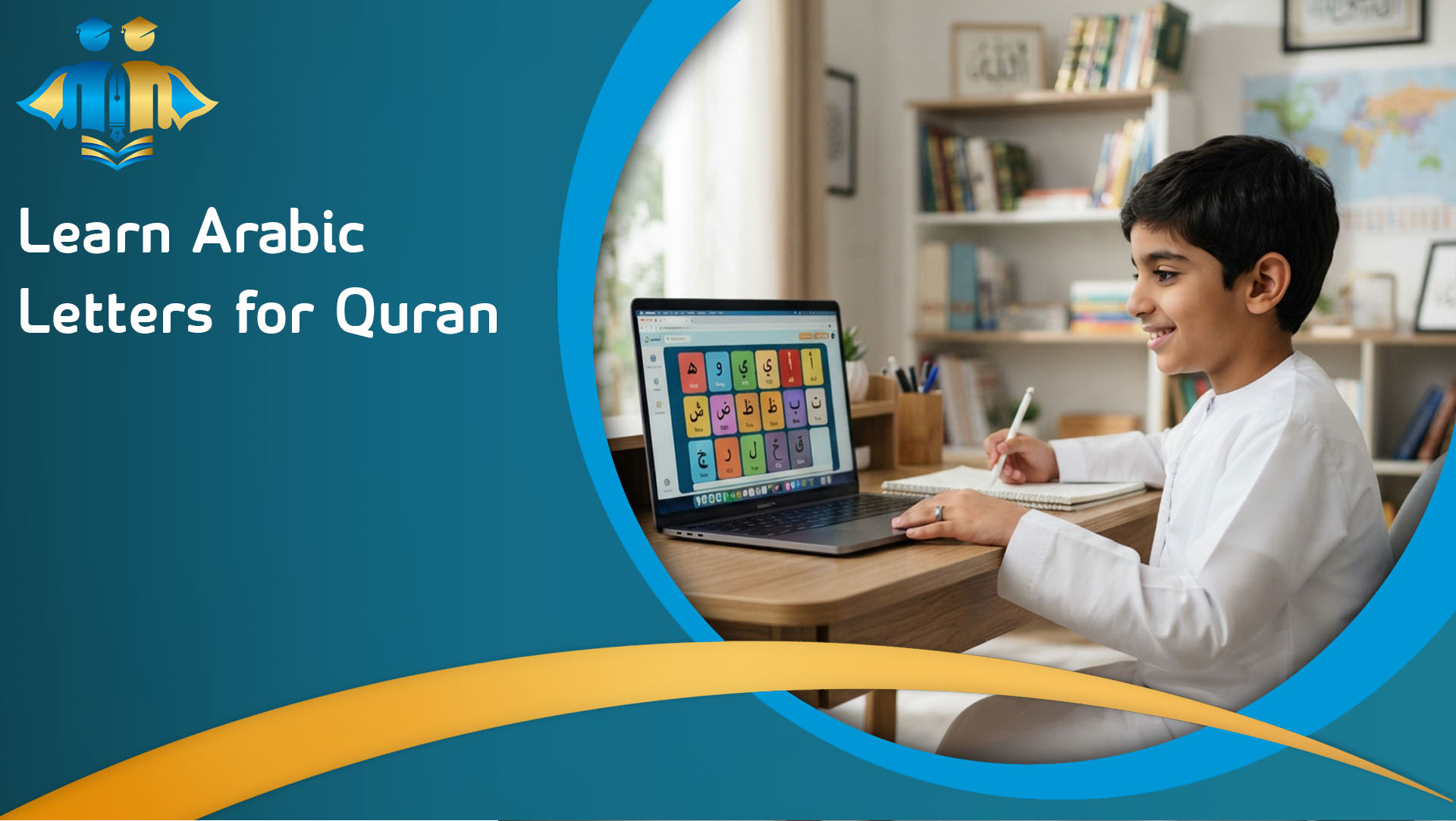
Arabic Letters for Quran Learning with Easy Lessons
Arabic Letters for Quran Learning is the first and most important step toward reading the Holy Quran correctly and confidently. At Super Muslim Online Quran Academy, students of all ages receive structured online lessons that make learning the Arabic alphabet simple, engaging, and effective. Whether you are a complete beginner, a parent teaching your child, or a new Muslim starting your Quran journey, mastering Arabic letters builds the foundation for accurate Quran recitation, Tajweed, and memorisation.
Learning the Arabic alphabet is more than memorising letter names. It involves recognising each letter in different positions, pronouncing every sound correctly, and reading Quranic words with confidence. With the guidance of qualified teachers and consistent daily practice, students develop strong reading skills step by step. This guide explains the best methods to learn Arabic letters, common mistakes to avoid, practical learning strategies, and how a structured online program can help you progress faster while building a lifelong connection with the Holy Quran.
Why is learning Arabic letters essential for reading the Quran?
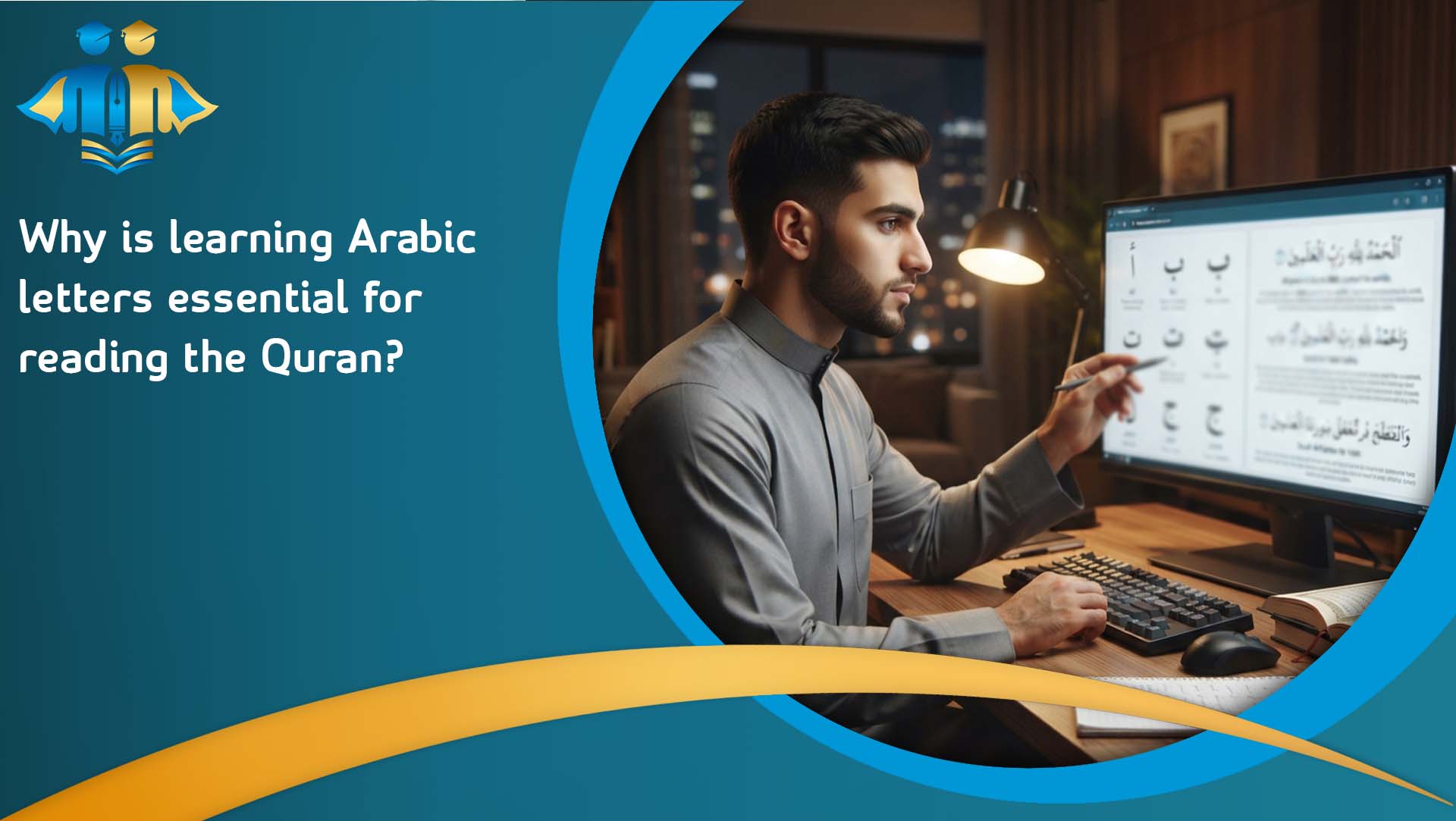
Every language has its own writing system, but Arabic is unique. Each letter can change its appearance depending on its position within a word, and Quranic Arabic lessons online include vowel marks that guide the correct pronunciation.
Without understanding the Arabic alphabet, reading the Quran becomes much more difficult. Many beginners struggle because they try to memorise verses before mastering the letters themselves. When you start with the alphabet, you build a solid foundation that allows you to:
- Read Arabic words confidently.
- Recognise Quranic vowel marks easily.
- Improve pronunciation naturally.
- Prepare for Tajweed lessons.
- Memorise Quranic verses more accurately.
- Develop long-term reading confidence.
For this reason, experienced Quran teachers always recommend learning the Arabic alphabet before moving to more advanced topics.
Start Learning the Quran with Trusted Egyptian Teachers Today
Ready to improve your Quran recitation, master Tajweed, or begin memorising the Holy Quran with confidence? At Super Muslim Online Quran Academy, our experienced Egyptian Quran teachers provide personalised one-on-one lessons tailored to your age, level, and goals.
Enjoy flexible scheduling, live guidance, and a supportive learning environment that helps you make steady progress from the comfort of your home. Book your free trial class today and take the first step toward a stronger connection with the Book of Allah.

Arabic Letters for Quran Learning Step by Step
Learning Arabic letters does not require exceptional language skills. Success comes from following a structured learning plan and practising consistently. The process can be divided into several simple stages.
1. Learn the Names of the Arabic Letters
The Arabic alphabet consists of 28 letters. Every letter has its own unique name, sound, and writing style. During this first stage, your goal should be to become familiar with:
- The name of every letter.
- It’s basic pronunciation.
- It’s a written shape.
- How it sounds when spoken individually.
Avoid rushing into reading full words before becoming comfortable with the alphabet itself.
2. Master the Correct Pronunciation
Some Arabic letters for kids sound similar to English sounds, making them easier for beginners to pronounce. These include letters like:
- Ba (ب)
- Ta (ت)
- Fa (ف)
- Meem (م)
- Lam (ل)
However, several Arabic letters have unique sounds that do not exist in many other languages, including:
- Haa (ح)
- Khaa (خ)
- Ain (ع)
- Ghain (غ)
- Saad (ص)
- Daad (ض)
- Taa (ط)
- Zaa (ظ)
- Qaaf (ق)
These letters require careful listening and regular practice with a qualified instructor to develop accurate pronunciation.
3. Understand the Different Letter Forms
One feature that surprises many beginners is that Arabic letters change their shape depending on where they appear in a word.
A letter may appear:
- By itself.
- At the beginning of a word.
- In the middle.
- At the end.
Although this may seem challenging at first, regular reading practice quickly helps learners recognise these patterns naturally.
4. Learn the Basic Vowel Marks
Once you recognise the letters, the next step is learning the three basic vowel marks. These include:
- Fatha
- Kasra
- Damma
These small symbols determine how each letter is pronounced and are essential for reading the Quran correctly. After mastering the vowels, learners begin reading simple syllables before progressing to complete Quranic words.
Benefits of Learning Arabic Letters Before Studying Tajweed
Many beginners believe they should study Tajweed immediately. In reality, Tajweed depends on knowing the Arabic letters and their correct pronunciation. Building a strong alphabet foundation offers many advantages. Some of the most important benefits include:
- Better pronunciation.
- Fewer reading mistakes.
- Increased confidence.
- Faster Quran memorisation.
- Easier understanding of Tajweed rules.
- Improved listening and reading skills.
Instead of struggling with basic letters during Tajweed lessons, learners can focus entirely on perfecting their recitation.
Common Mistakes Beginners Should Avoid
Learning Arabic becomes much easier when common mistakes are identified early.
Memorising Letter Names Only
Many learners know the names of Arabic letters but cannot recognise them inside words. The goal is not simply memorisation—it is developing real reading ability.
Skipping Daily Practice
Consistency matters more than long study sessions. Practising for just 15 to 20 minutes each day often produces better results than studying for several hours once a week.
Confusing Similar Letters
Some Arabic letters look or sound very similar, especially for beginners. Examples include:
- Seen (س) and Saad (ص)
- Dal (د) and Daad (ض)
- Ta (ت) and Taa (ط)
- Dhal (ذ) and Zaa (ظ)
- Haa (ح) and Ha (هـ)
Listening carefully and repeating these letters regularly helps eliminate confusion over time.
Ignoring Listening Practice
Reading alone is not enough. Listening to correct pronunciation improves listening skills, strengthens memory, and helps learners imitate authentic Arabic sounds more naturally. Combining listening, speaking, and reading creates much faster progress.
Arabic Letters for Quran Learning Using Modern Learning Methods
Technology has transformed Arabic language classes for beginners, making it more engaging and accessible than ever before. Today’s learners can benefit from many interactive learning techniques, including:
- Digital flashcards.
- Interactive pronunciation exercises.
- Live online classes.
- Audio repetition.
- Guided reading practice.
- Short quizzes.
- Visual learning activities.
Why does daily practice make a Huge Difference?

Taking Arabic language classes online is a practical skill that develops through repetition. Even a short daily reading session produces significant improvement over time. Simple daily habits include:
- Reading letters aloud.
- Practising short Quranic words.
- Reviewing previous lessons.
- Recording your pronunciation.
- Compare your reading with your teacher’s corrections.
As confidence grows, learners naturally begin reading more fluently while making fewer mistakes.
The Importance of Learning with a Qualified Teacher
Although many free resources are available online, working with an experienced teacher often accelerates progress dramatically.A qualified instructor can:
- Correct pronunciation immediately.
- Explain difficult sounds clearly.
- Design lessons according to your level.
- Identify mistakes before they become habits.
- Provide personalised feedback and encouragement.
Many students today choose online Quran classes because they offer flexibility while maintaining high-quality instruction.
Super Muslim Online Quran Academy provides structured one-on-one lessons designed for beginners, children, and adults who want to develop strong Arabic reading skills before moving on to Quran recitation and Tajweed.
Arabic Letters for Quran Learning for Children and Adults
One common misconception is that learning Arabic letters is only easy for children. In reality, adults can become successful Arabic readers when they follow the right learning approach.
Children usually learn best through:
- Educational games.
- Colourful visuals.
- Songs and repetition.
- Positive encouragement.
- Interactive activities.
Adults often benefit more from:
- Structured lessons.
- Practical reading exercises.
- Pronunciation correction.
- Consistent daily practice.
- Clear explanations of letter sounds.
Every learner has different needs, but the ultimate goal remains the same: reading the Quran accurately, confidently, and with proper pronunciation.
How Long Does It Take to Learn Arabic Letters?
One of the most common questions beginners ask is how long it takes to learn Arabic letters for Quran reading. The answer depends on several factors, including your study routine, learning method, previous language experience, and consistency. Every student progresses at a different pace, but regular practice always leads to better results.
Most learners can recognise all 28 Arabic letters within a few weeks if they practice consistently. However, the goal of Arabic Letters for Quran Learning is not only recognising the alphabet but also reading Quranic words confidently. Becoming comfortable with Quran reading requires continuous practice and repeated exposure to Arabic text. A realistic learning timeline may look like this:
- Week 1: Learn the names and sounds of the Arabic letters.
- Week 2: Practice identifying letters in different positions.
- Week 3: Learn the basic vowel marks and read simple syllables.
- Week 4: Begin reading short Quranic words and phrases.
The goal is not speed but accuracy. Spending extra time mastering each stage creates a stronger foundation for anyone who wants to Arabic Letters for Quran Learning successfully.
Building Strong Reading Skills Through Consistent Practice
Learning any language requires repetition, and Arabic is no exception. Students who Arabic Letters for Quran Learning improve naturally when they practice every day, even if only for a short period.
Instead of trying to memorise large amounts of information in one session, focus on gradual improvement. Some effective daily habits include:
- Reviewing previously learned letters.
- Reading aloud to improve pronunciation.
- Practising words that contain similar letters.
- Listening to native Quran recitation.
- Reading slowly while paying attention to every vowel mark.
These simple habits help students learn Arabic Letters for Quran learning with greater confidence while building strong reading skills that last for years. Small daily improvements eventually produce remarkable results.
Understanding Arabic Letter Connections
Unlike English, Arabic letters connect when forming words. Learning these connections is one of the most important stages for students who want to learn the Arabic alphabet for beginners for Quran correctly.
Most Arabic letters connect naturally to the letters before and after them, while a few letters connect only from one side. As learners continue practising, connected letters become easier to recognise, allowing them to read complete Quranic words instead of identifying individual letters one by one.
Mastering this skill helps every student learn Arabic Letters for Quran more efficiently and prepares them for fluent Quran recitation.
Developing Correct Pronunciation
Correct pronunciation is especially important when reading the Quran because changing the sound of a single letter may change the meaning of a word. Anyone who wants to learn Arabic letters for Quran should focus on listening carefully before attempting to imitate each sound.
Helpful pronunciation strategies include:
- Listening to experienced Quran teachers.
- Repeating difficult letters several times.
- Comparing similar sounds.
- Practising in front of a teacher.
- Record your own reading for self-evaluation.
Patience plays an important role during this stage. As students continue learning Arabic Letters for the Quran, difficult sounds gradually become easier through regular practice and professional guidance.
Creating an Effective Learning Routine

A structured learning schedule helps studentsArabic Letters for Quran Learning more efficiently while preventing information overload.
A simple daily routine might include:
- 5 minutes: Review previously learned letters.
- 10 minutes: Practice reading new letters and vowel combinations.
- 10 minutes: Read short Arabic words aloud.
- 5 minutes: Listen to Quran recitation while following the written text.
This routine is manageable for both children and adults and helps learnersArabic Letters for Quran Learning through consistent daily practice rather than occasional long study sessions.
Learning Arabic Online
Modern technology has made it easier than ever to learn Arabic Letters for Quran Learning from anywhere in the world. Students can now connect with qualified teachers regardless of where they live.
Online lessons offer several advantages:
- Flexible schedules.
- Individual attention.
- Interactive learning tools.
- Recorded lessons for review.
- Personalised learning plans.
Many learners appreciate the convenience of studying from home while receiving direct guidance from experienced instructors. At Super Muslim Online Quran Academy, students can learn Arabic Letters for Quran Learning through structured one-on-one lessons that improve pronunciation, reading accuracy, and confidence step by step.
Staying Motivated Throughout Your Learning Journey
Every learner experiences moments when progress feels slow. This is completely normal when you Arabic Letters for Quran Learning for the first time. The key is maintaining consistency rather than expecting immediate perfection.
You can stay motivated by:
- Setting small weekly goals.
- Celebrating each improvement.
- Practising with family members.
- Reading a little every day.
- Tracking your progress in a notebook.
Remember that every expert Quran reader once started with a single letter. With patience, consistency, and regular practice, anyone can learn Arabic letters for Quran Learning and build a strong foundation for reading the Holy Quran confidently.
Memory Techniques That Make Learning Arabic Letters Easier
Using memory techniques can significantly improve the ability to learn Arabic Letters for Quran Learning. Rather than depending only on repetition, students can connect every letter with a picture, sound, or familiar Arabic word.
Helpful memorisation strategies include:
- Creating flashcards for daily review.
- Grouping similar-looking letters.
- Writing each letter several times.
- Reading simple words aloud.
- Practising with interactive online exercises.
Combining visual, auditory, and writing activities helps learners remember letters much faster than using a single learning method.
Why Is Learning Letter Sounds More Important Than Letter Names?
Many beginners believe that memorising the names of Arabic letters is enough. In reality, the ability to learn Arabic letters for Quran depends much more on mastering their correct sounds.
Correct pronunciation helps students:
- Read Quranic words accurately.
- Prepare for Tajweed lessons.
- Reduce reading mistakes.
- Improve listening skills.
- Memorise Quranic verses more effectively.
For this reason, experienced teachers spend considerable time correcting pronunciation before introducing longer reading passages.
Building Confidence Before Reading the Quran
Students should never feel discouraged if they cannot read fluently during their first weeks. Every experienced Quran reader once started with the alphabet. As learners continue to learn Arabic Letters for Quran Learning, they gradually become more confident in recognising letters, joining them together, and reading complete Quranic words.
Confidence grows through regular practice, teacher feedback, and patience. Small improvements made every day eventually become strong reading skills that prepare students for Tajweed and Quran memorisation.
How does family support improve Arabic Learning?
Parents and family members play an important role when children learn Arabic Letters for Quran Learning. Encouragement at home helps maintain motivation and makes daily practice enjoyable.
Families can support learners by:
- Listening to daily reading practice.
- Reviewing letters together.
- Celebrating weekly progress.
- Creating a quiet study environment.
- Encouraging consistency instead of perfection.
Positive family involvement often leads to faster improvement and greater confidence.
What to Do After Learning the Arabic Alphabet?
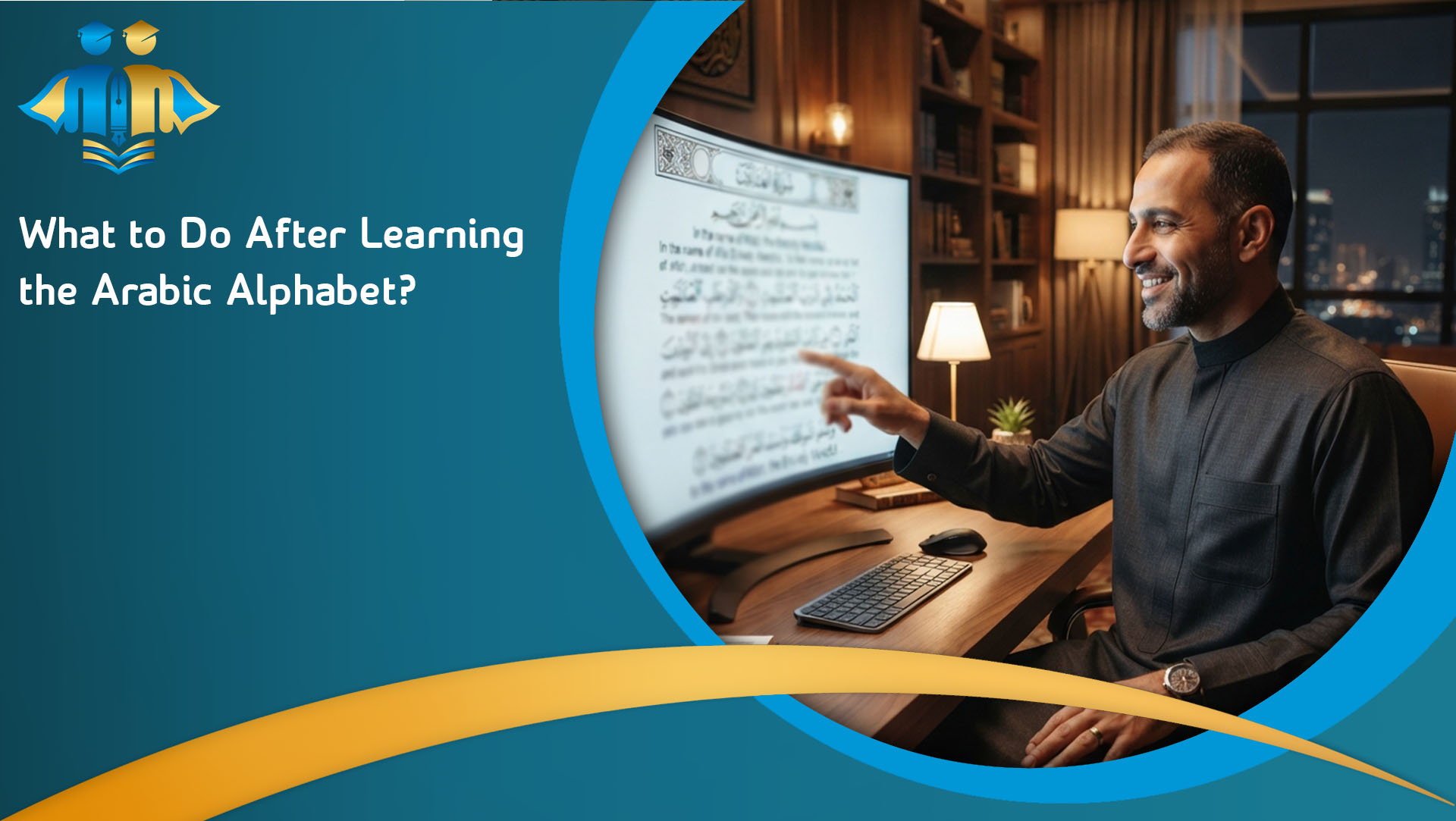
After students successfully Arabic Letters for Quran Learning, the next stage is developing fluent Quran reading. This includes learning vowel marks, reading connected words, improving pronunciation, and gradually studying Tajweed rules.
With continued practice and guidance from qualified teachers, learners move from recognising individual letters to reading complete Quranic verses accurately and confidently. Building a strong foundation at the beginning makes every future stage of Quran learning easier and more enjoyable.
Frequently Asked Questions
Find answers to the most common questions about learning Arabic letters for the Quran, including pronunciation, study methods, practice tips, and online learning.
Is it possible to learn Arabic letters without knowing Arabic?
Yes. Many beginners start by learning the Arabic alphabet before studying the language itself. Once you recognise the letters and their sounds, reading Quranic words becomes much easier.
How much should I practice every day?
Practising for 15 to 30 minutes each day is usually enough for beginners. Consistency is more important than studying for long hours occasionally.
What is the best age to start learning Arabic letters?
There is no perfect age. Children often learn through games and repetition, while adults benefit from structured lessons and regular practice. With dedication, learners of any age can successfully master Arabic letters.
In conclusion, learning the Arabic alphabet is one of the most rewarding investments you can make if your goal is to read the Quran confidently. Every lesson builds upon the previous one, creating a strong foundation for Tajweed, memorisation, and deeper understanding of the Quran.
Success does not depend on learning quickly—it depends on learning correctly. By practising consistently, focusing on proper pronunciation, and following a structured learning plan, you will steadily improve your reading skills.
Whether you are a beginner, a parent teaching your child, or a new Muslim beginning your journey, taking the time to build a solid foundation will make every future step easier.
If you prefer guided instruction with experienced teachers, Super Muslim Online Quran Academy provides supportive online classes designed to help learners of all ages develop accurate Arabic reading skills and prepare for confident Quran recitation.

You may also like

Quran Learning for Non-Arabic Speakers: A Simple Guide

Learn Arabic Qaida: A Simple Guide for Beginners