
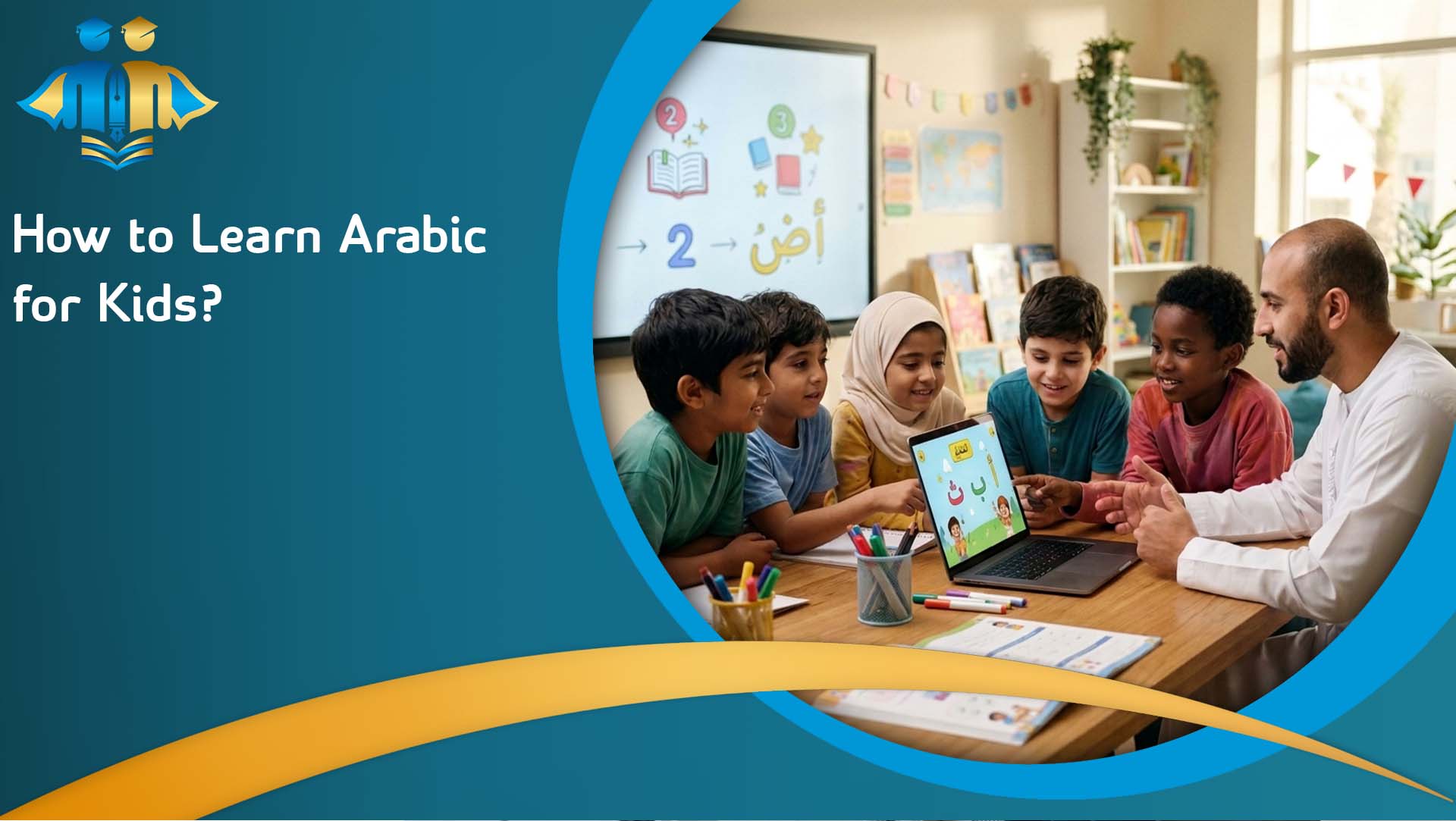
How to Learn Arabic for Kids: Simple Steps
How to learn Arabic for kids is an important question for parents who want their children to develop strong language skills and build a meaningful connection with Arabic. Learning a new language becomes easier when children follow a gradual approach that combines listening, speaking, reading, and interactive activities.
However, parents may wonder where to begin, which teaching methods are suitable for different age groups, and how to keep children motivated.
A successful learning routine does not need to involve long lessons or complicated exercises. Instead, short daily activities, colorful learning materials, simple conversations, and regular revision can help children make steady progress. Parents can also explore guided learning opportunities through Super Muslim Online Quran Academy when looking for structured online Quran and Arabic learning support.
Start With the Arabic Alphabet and Pronunciation
The first step in teaching Arabic is helping children recognize the 28 letters of the alphabet and understand their sounds. This foundation makes it easier to recognize words, connect letters, and develop accurate pronunciation.
Parents exploring how to learn Arabic for kids should introduce a small number of letters in each lesson rather than asking children to memorize the entire alphabet at once. Try these activities:
- Use colourful Arabic alphabet flashcards.
- Match each letter with a familiar picture.
- Ask children to identify letters in simple words.
- Practice writing letters using pencils or tracing worksheets.
- Play audio recordings and ask children to repeat the sounds.
For example, introduce the letter ب (Ba) alongside the word باب (door). Children can recognize the letter, hear its sound, and connect it with a meaningful word.
Once children recognize individual letters, introduce their different shapes at the beginning, middle, and end of words.
Use Games to Make Arabic Learning Enjoyable
Games turn language practice into an enjoyable activity instead of a demanding classroom exercise. They also encourage children to repeat words and recognize letters without feeling that they are taking a test. Here are three activities parents can try:
Arabic Letter Hunt: Choose a letter and ask your child to find it in a storybook, worksheet, or Arabic poster.
Picture Matching: Prepare cards with pictures of animals, fruits, and household objects. Ask children to match each picture with its Arabic name.
Word Memory Game: Place Arabic vocabulary cards face down and ask children to find matching words or pictures.
Parents can also explore Interactive Quran Learning Methods for ideas about making Islamic learning more engaging through participation and interactive activities.
These methods are particularly useful for Muslim families in the United States and Canada, where children may use English more frequently at school and with friends.
Teach Everyday Arabic Vocabulary
Children remember vocabulary more easily when they can connect words with familiar experiences. Therefore, introduce words related to their daily activities before moving to more complicated expressions. Start with these categories:
| Category | Arabic vocabulary | Meaning |
|---|---|---|
| Family | أم، أب | Mother, father |
| Animals | قطة، كلب | Cat, dog |
| Colors | أحمر، أزرق | Red, blue |
| Numbers | واحد، اثنان | One, two |
| Food | تفاح، حليب | Apple, milk |
| Actions | أكل، شرب | Eat, drink, |
Use these words during everyday routines. For instance, name fruits in Arabic during breakfast or count toys while your child puts them away.
Another useful activity is introducing one simple Arabic sentence each day, such as “أنا أحب التفاح” (I like apples).
When considering how to learn Arabic for kids, remember that children need opportunities to use vocabulary, not simply memorize lists of unrelated words.
Develop Listening and Speaking Skills
Listening helps children recognize Arabic sounds and become familiar with natural speech. Speaking, meanwhile, gives them the confidence to use the language in everyday situations. Parents can support these skills by:
- Listening to short Arabic stories together.
- Singing simple Arabic songs.
- Watching age-appropriate educational videos.
- Practicing greetings and everyday expressions.
- Asking simple questions and encouraging children to answer in Arabic.
For example, parents can ask, “ما اسمك؟” (What is your name?) and encourage their child to respond with “اسمي أحمد” (My name is Ahmed).
Families in the UK, Ireland, and Australia can also use Arabic during family conversations to increase children’s exposure to the language.
If the goal includes understanding Quranic Arabic, parents can gradually introduce familiar Quranic vocabulary. They may also explore Surah Yasin Meaning and benefits as an additional resource for discussing Quranic meaning with older children.
Introduce Arabic Reading Step by Step
After children recognize letters and understand basic sounds, they can begin learning how letters connect to form words. A practical learning sequence includes:
- Recognizing individual Arabic letters.
- Understanding short vowel marks (Fatha, Kasra, and Damma).
- Reading letters with different vowel combinations.
- Connecting letters to form simple words.
- Reading short sentences with vowel marks.
- Practicing short passages gradually.
Children who need additional support with Arabic reading foundations can explore learn noorani qaida in English, particularly when they are also preparing to read Quranic Arabic.
Avoid rushing children through reading exercises. Instead, give them enough time to recognize unfamiliar letter combinations and pronounce words accurately.
Follow a Simple Seven-Day Learning Plan
A weekly schedule helps parents organize lessons and maintain consistent practice. The following example is suitable for beginners, although the activities should be adjusted according to each child’s age and abilities.
| Day | Learning activity | Main goal |
|---|---|---|
| Monday | Learn three Arabic letters. | Letter recognition |
| Tuesday | Practice letter sounds and writing. | Pronunciation |
| Wednesday | Learn five everyday words. | Vocabulary |
| Thursday | Play picture-matching games. | Word recognition |
| Friday | Listen to a short Arabic story. | Listening |
| Saturday | Practice simple Arabic sentences. | Speaking |
| Sunday | Review the week’s lessons. | Retention |
Each session can last approximately 15–20 minutes, depending on the child’s concentration and interest.
Parents researching how to learn Arabic for kids should focus on consistency rather than increasing lesson length. Short, enjoyable sessions can help children build a sustainable learning habit.
Adjust Lessons to the Child’s Age and Level
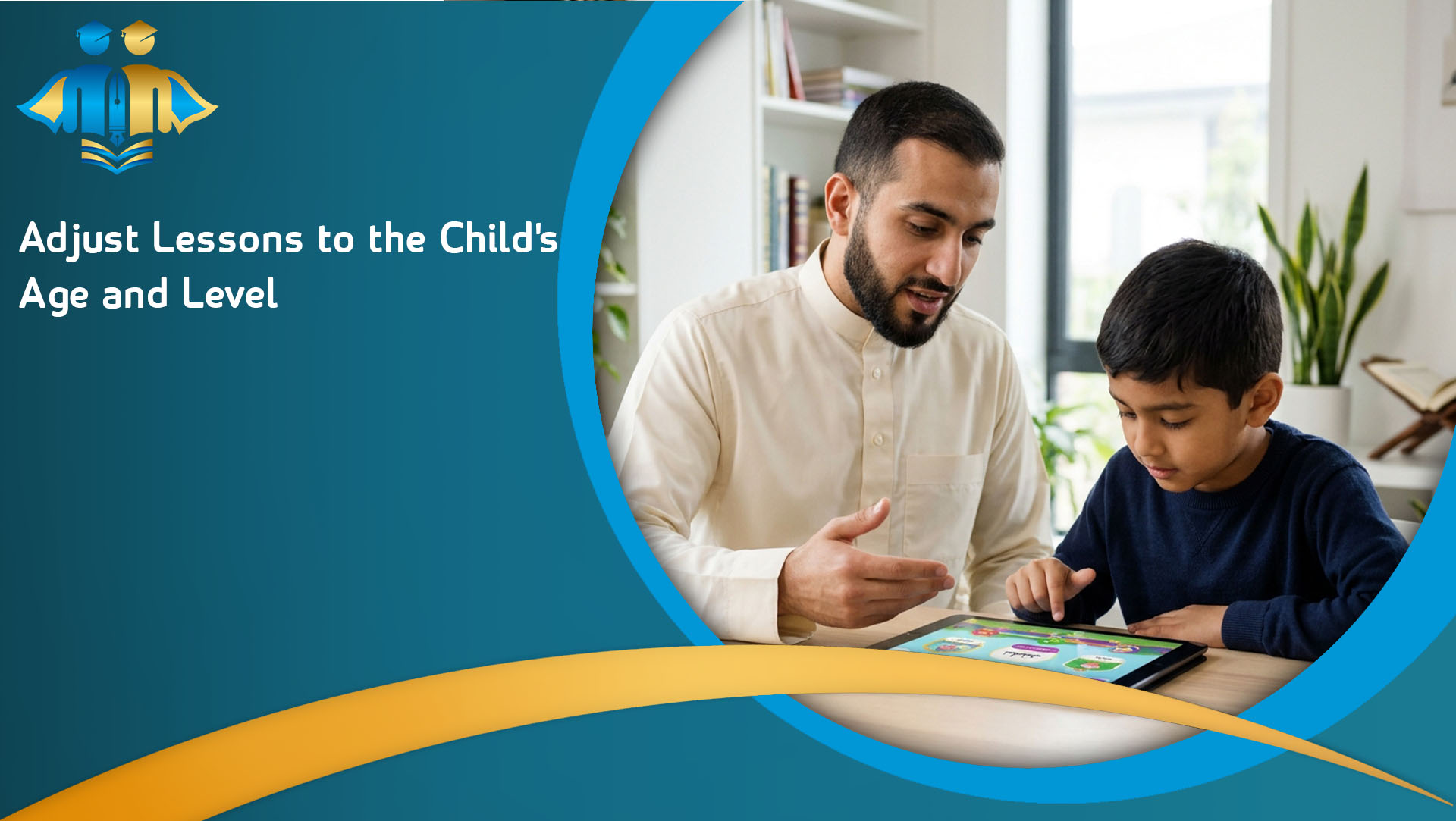
Not every child needs the same teaching method. Activities should reflect the learner’s development and existing Arabic knowledge.
For Children Aged 3–5
Use songs, colourful pictures, alphabet games, and short listening activities. At this age, the main goal is familiarity with Arabic sounds and simple vocabulary.
For Children Aged 6–9
Introduce structured alphabet lessons, writing exercises, short words, and simple conversations. Children can also begin reading short sentences with guidance.
For Children Aged 10 and Older
Older beginners may benefit from organized grammar explanations, reading comprehension, vocabulary exercises, and guided conversations.
For Muslim families, Islamic vocabulary can also become part of language practice. For example, parents can introduce meaningful concepts through resources such as what is taqwa in Islam.
Consider Guided Online Arabic and Quran Learning
Home activities provide a valuable foundation. However, some children need additional guidance to improve pronunciation, develop reading accuracy, and follow a structured learning path.
Online lessons can make learning more accessible for families living in countries where Arabic teachers may not be readily available nearby. Before choosing a program, parents should consider:
- The child’s current Arabic level.
- The teacher’s experience with young learners.
- Opportunities for speaking and reading practice.
- Lesson structure and learning objectives.
- Scheduling across different time zones.
Families considering online instruction can also read How to Choose a Quran Teacher Online to understand important factors when selecting a teacher for Quran education.
Super Muslim Online Quran Academy is an option families can explore for online Quran and Islamic education. Parents interested in Arabic instruction should contact the academy directly to confirm whether suitable Arabic programs are available and discuss the learning arrangements.
Frequently Asked Questions: How to Learn Arabic for Kids
These frequently asked questions address common concerns parents may have about how to learn Arabic for kids, from choosing suitable learning activities to building consistent language skills.
1. Can children learn Arabic without speaking it at home?
Yes. Children can develop Arabic skills through consistent lessons, educational resources, listening activities, and regular practice with teachers or Arabic-speaking family members.
2. How many Arabic words should a child learn each week?
There is no fixed number for every child. Beginners can start with a few words each week and gradually increase the amount as their vocabulary and ability to remember new words improve.
3. Is Arabic difficult for children who speak English?
Arabic has a different writing system and some unfamiliar sounds for English-speaking children. However, introducing these elements gradually through listening, speaking, and reading activities can make the learning process more manageable.
4. Should children learn Arabic grammar from the beginning?
Not necessarily. Young beginners should first develop familiarity with letters, pronunciation, vocabulary, and simple sentences. Basic grammar can be introduced gradually as their language skills develop.
Conclusion
Teaching Arabic to children becomes easier when parents understand how to learn Arabic for kids through structured lessons and enjoyable daily activities. Start with the alphabet, introduce useful vocabulary, encourage listening and speaking, and gradually develop reading skills. Most importantly, adapt the learning experience to the child’s age, interests, and progress.
Families looking for additional support can explore Super Muslim Online Quran Academy and contact the academy to ask about suitable online Quran and Islamic learning options for their children. With consistent practice and age-appropriate activities, parents can discover effective ways for how to learn Arabic for kids while helping their children build a lasting relationship with the Arabic language.

You may also like

Female Arabic Tutor Online | Arabic Lessons for Girls

Learn Arabic Online Course | complete guide for beginners