

Juz Amma Surahs: Names and Order Explained
Juz Amma Surahs are the chapters of the Quran found in its 30th and final part. They are an important starting point for Muslims who want to improve their Quran reading, memorize shorter chapters, and understand the basic messages of the Quran. Since many of these surahs are relatively short, they are particularly suitable for children, beginners, and adults who are developing a regular Quran learning routine.
For Muslim families in the United States, the United Kingdom, and Canada, learning these chapters can also help children maintain a meaningful connection with the Quran while balancing school, family responsibilities, and other daily activities.
What Is Juz Amma in the Quran?
Juz Amma is the thirtieth section of the Holy Quran. It begins with Surah An-Naba and ends with Surah An-Nas. The word “Juz” means a part or portion, while “Amma” refers to the opening word of its first surah.
This section contains 37 surahs, most of which are Makki surahs revealed before the Prophet Muhammad (peace be upon him) migrated to Madinah. Their verses often address important Islamic beliefs, including the oneness of Allah, the Day of Judgment, accountability, and the importance of good deeds.
Because many chapters are short and have memorable rhythms, this part of the Quran is commonly introduced to young learners and beginners.
List of Juz Amma Surahs
Understanding the order of the chapters makes it easier to follow a memorization plan. The 37 surahs in this section are:
- An-Naba
- An-Nazi’at
- Abasa
- At-Takwir
- Al-Infitar
- Al-Mutaffifin
- Al-Inshiqaq
- Al-Buruj
- At-Tariq
- Al-A’la
- Al-Ghashiyah
- Al-Fajr
- Al-Balad
- Ash-Shams
- Al-Layl
- Ad-Duha
- Ash-Sharh
- At-Tin
- Al-Alaq
- Al-Qadr
- Al-Bayyinah
- Az-Zalzalah
- Al-Adiyat
- Al-Qari’ah
- At-Takathur
- Al-Asr
- Al-Humazah
- Al-Fil
- Quraysh
- Al-Ma’un
- Al-Kawthar
- Al-Kafirun
- An-Nasr
- Al-Masad
- Al-Ikhlas
- Al-Falaq
- An-Nas
Learners can use this list to track their progress and become familiar with the arrangement of the final Quranic section.
Why Should Muslims Learn Juz Amma?
Learning these chapters offers several educational and spiritual benefits. First, it gives beginners an achievable way to start memorizing the Quran without feeling overwhelmed by long passages.
Additionally, many of these surahs are recited during daily prayers. Therefore, memorizing them can help Muslims become more comfortable with their Salah and improve their confidence when reciting Quranic verses.
Other important benefits include:
- Strengthening faith: Many chapters remind believers of Allah’s greatness, mercy, and power.
- Developing Quran reading skills: Regular recitation helps learners recognize Arabic letters and improve pronunciation.
- Understanding Islamic values: The chapters teach lessons about patience, gratitude, honesty, and accountability.
- Building consistency: Memorizing a few verses every day encourages a lasting learning habit.
- Supporting children’s education: Short chapters provide a manageable introduction to Quran memorization.
Parents can also make learning more enjoyable by discussing the meanings of familiar surahs with their children.
How to Memorize Juz Amma Surahs Effectively
Memorization becomes easier when learners follow a clear routine rather than trying to complete several chapters in a short period.
Here are some practical steps:
1. Start With Shorter Surahs
Beginners can start with familiar, shorter chapters such as Al-Ikhlas, Al-Falaq, and An-Nas. These provide an encouraging introduction before moving to longer passages.
2. Listen to Accurate Recitation
Listening to a qualified Quran reciter helps learners become familiar with correct pronunciation, rhythm, and pauses. Repeating the audio while following the written verses can also improve reading accuracy.
3. Understand the Meaning
Learning the general meaning of each surah makes memorization more meaningful. Parents and teachers can explain the main message using simple language, especially when teaching children.
4. Review Previous Lessons
Revision is just as important as learning new verses. Students should regularly revisit previously memorized passages to strengthen retention and avoid forgetting them.
5. Learn With a Qualified Teacher
A Quran teacher can identify pronunciation mistakes, explain basic Tajweed rules, and provide individual feedback. This is particularly helpful for beginners who may struggle to recognize their mistakes independently.
Teaching Juz Amma to Children at Home
Parents play an important role in helping children develop a positive relationship with the Quran. Instead of making memorization feel like a daily test, they can create a relaxed learning environment.
For example, parents can set aside ten to fifteen minutes each day for recitation, listening, and revision. They can also use repetition, simple explanations, and encouraging activities to keep children interested.
The ideas in Islamic Parenting Tips for Raising Quran-Loving Kids can help parents build a supportive environment where Quran learning becomes part of everyday family life.
It is also important to consider each child’s age, concentration level, and learning speed. Some children memorize quickly, while others need additional repetition. Both approaches are normal, and steady progress is more valuable than rushing through the lessons.
Learning Juz Amma Through Online Quran Classes
Online Quran education offers families a flexible way to arrange lessons around school schedules and other responsibilities. Students can receive live instruction, practice recitation, and ask questions without traveling to a physical learning center.
However, families should understand the differences between online lessons and traditional classroom education before making a decision. Our guide to Online Quran Classes vs. Traditional Madrasa explains some of the main differences.
When comparing learning options, parents should consider teacher qualifications, class size, teaching methods, lesson schedules, and opportunities for individual correction. These factors can influence the quality of the learning experience.
Learning With Super Muslim Online Quran Academy
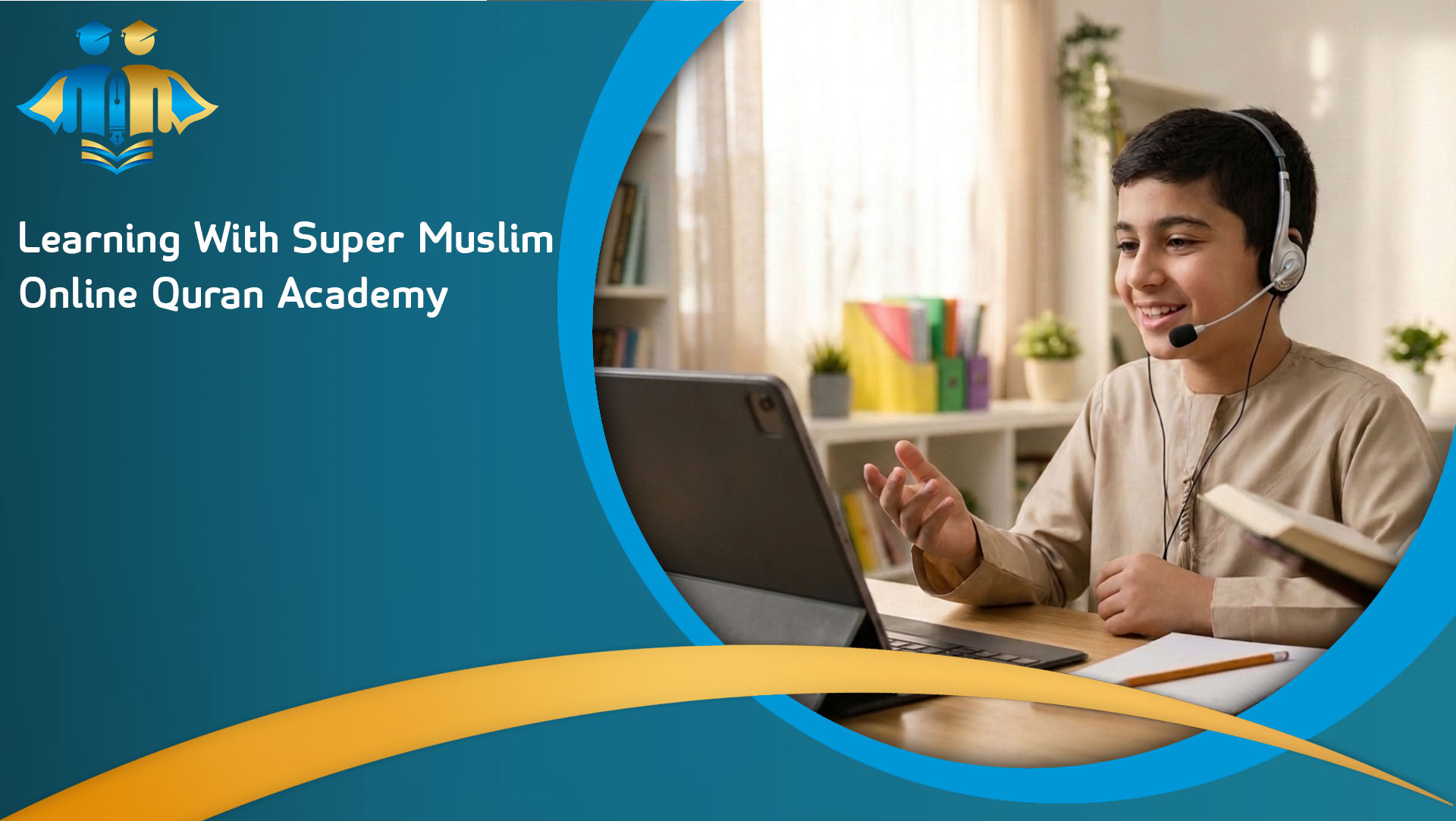
Super Muslim Online Quran Academy is an option families may explore when looking for structured online Quran education for children and beginners.
Students interested in learning the Quran can ask about available programs, teacher qualifications, memorization methods, and lesson arrangements. It is also useful to confirm whether individual recitation feedback and regular progress assessments are included.
For parents comparing different learning options, Best Online Quran Academy for Kids 2026 provides additional points to consider before choosing a program.
Furthermore, reviewing Signs of a Trustworthy Online Quran Academy can help families evaluate the quality and transparency of an online learning provider.
Students who prefer live video lessons can also explore the practical details discussed in online Quran classes on Zoom.
Super Muslim Online Quran Academy may be worth considering for families seeking guidance with Quran reading and memorization. Before enrolling, parents should confirm the available courses, teaching arrangements, and suitability of the program for their children’s needs.
Frequently Asked Questions About Juz Amma Surahs
This section answers common questions about Juz Amma, including the number of surahs it contains, where it begins, and effective ways for children and beginners to memorize its chapters.
1. How many surahs are in Juz Amma?
Juz Amma contains 37 surahs, beginning with Surah An-Naba and ending with Surah An-Nas. These chapters form the final section of the Holy Quran.
2. Which surah starts with Juz Amma?
Surah An-Naba is the first chapter in this section and introduces several important themes about the Day of Judgment and resurrection.
3. Are Juz Amma surahs suitable for beginners?
Yes. Many chapters are relatively short, making them a practical starting point for children, adults, and new Quran learners who want to develop their recitation skills.
4. How can children memorize Juz Amma more easily?
Children can benefit from short daily lessons, repeated listening, regular revision, simple explanations, and guidance from a qualified Quran teacher.
Conclusion
Learning Juz Amma surahs is a valuable step toward building stronger Quran reading and memorization skills. With consistent practice, proper recitation guidance, and an encouraging learning environment, children and adults can gradually memorize these chapters and understand their important messages.
Whether learning at home or through online lessons, studying Juz Amma surahs requires a realistic routine that balances new memorization with regular revision.
Parents can support this journey by encouraging children to practice Juz Amma Surahs daily, focusing on accurate pronunciation, and gradually developing their understanding of Juz Amma Surahs. This consistent approach helps learners gain confidence while making Juz Amma Surahs an enjoyable part of their Quran learning journey.

You may also like
Ways to Learn Quranic Vocabulary: Practical Tips

Tafkheem and Tarqeeq: Rules and Examples in Tajweed