

What Is Islamic Fiqh? A Beginner’s Guide to Islamic Law
What Islamic fiqh is is a question that many people ask when they want to understand how Islamic teachings are interpreted and applied in daily life. Islamic fiqh, also known as Islamic jurisprudence, is the discipline that explains how Muslims derive practical rulings from the primary sources of Islam, including the Qur’an and the Sunnah. It provides guidance on worship, personal conduct, family matters, business transactions, ethics, and social responsibilities.
Unlike a simple set of rules, fiqh represents a deep process of understanding, analysis, and interpretation. It helps Muslims apply the principles of Islam to different situations while considering changes in societies, cultures, and human needs. Through centuries of scholarship, Islamic jurists developed methods to understand religious texts and provide solutions for both traditional and modern issues.
What is Islamic fiqh and Why Is It Important in Islam?
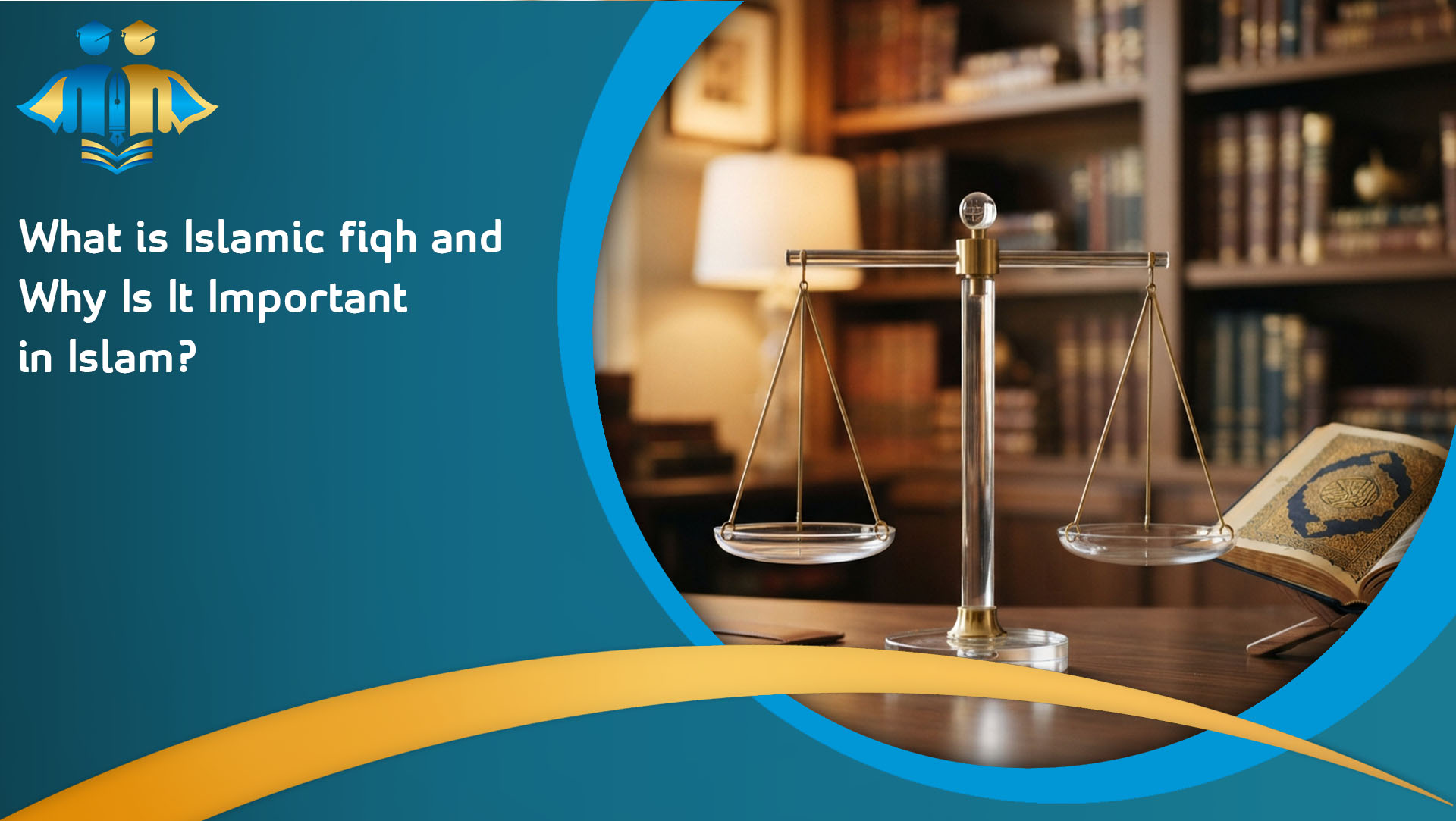
To understand what Islamic fiqh is, it is important to recognize that the word “fiqh” comes from the Arabic root “fa-qa-ha,” which means understanding, knowledge, or deep comprehension. In Islamic terminology, fiqh refers to the human effort to understand Islamic laws based on evidence from authentic sources.
The Qur’an contains the fundamental guidance revealed by Allah, while the Sunnah explains how Prophet Muhammad ﷺ practiced and applied those teachings. Islamic scholars studied these sources carefully and developed principles that help Muslims understand religious obligations and responsibilities.
Fiqh plays an essential role because it connects Islamic principles with real-life situations. While the foundations of Islam remain constant, human circumstances continue to change. New questions appear in areas such as technology, medicine, finance, and international trade. Islamic jurisprudence provides a structured approach to address these challenges while remaining connected to Islamic values.
For example, Muslims know from the Qur’an that prayer is an obligation, but fiqh explains details such as prayer conditions, timing, preparation, and circumstances that may affect how worship is performed. Similarly, Islamic jurisprudence guides financial dealings, marriage agreements, inheritance, and ethical behavior.
Start Your Journey with Super Muslim Quran Academy Today
If you’ve been searching for a clear and practical guide on how to pray in Islam, there’s no better time to begin than now. At Super Muslim Quran Academy, we provide step-by-step lessons that help beginners and experienced Muslims alike perform salah with full understanding, confidence, and devotion.
Our structured approach ensures you learn the correct intentions, movements, recitations, and etiquette, making every prayer meaningful and spiritually fulfilling. Don’t wait to strengthen your connection with Allah and build a consistent prayer routine.
Join our community today, follow our expert guidance, and experience the peace, discipline, and reward that comes from performing salah correctly every single day.

The Meaning and Concept of Islamic Jurisprudence
Islamic jurisprudence is not only about legal decisions; it is a comprehensive system that focuses on achieving justice, preventing harm, and protecting human well-being. Scholars of fiqh analyze religious texts, linguistic meanings, historical contexts, and established principles before reaching conclusions.
The purpose of fiqh is to help individuals follow Islamic teachings correctly while maintaining balance and fairness. It recognizes that different situations may require different applications of Islamic principles, which is why qualified scholars consider circumstances, intentions, and consequences when discussing rulings.
One important distinction is between Shariah and fiqh. Shariah refers to the divine guidance and principles revealed by Allah, while fiqh refers to the human understanding and interpretation of those principles. Because fiqh involves human reasoning, differences of opinion may exist among scholars while still respecting the same foundational sources.
These differences are often considered a reflection of the depth and flexibility of Islamic scholarship. Various scholars may reach different conclusions because they use different methodologies or evaluate evidence from different perspectives.
Sources of Islamic Fiqh
Islamic jurisprudence is built upon several major sources. These sources provide the foundation that scholars use when studying religious rulings and addressing new situations.
1. The Qur’an
The Qur’an is the primary source of Islamic guidance. It contains verses related to worship, morality, family relationships, financial transactions, justice, and social responsibilities.
Some Qur’anic instructions provide direct rulings, while others establish broad principles that require further interpretation. For example, the Qur’an commands justice and honesty, and scholars use these principles when evaluating different types of human interactions.
The Qur’an provides the foundation of Islamic law, but understanding its application often requires additional explanation and scholarly analysis.
2. The Sunnah
The Sunnah refers to the teachings, actions, and approvals of the Prophet Muhammad ﷺ. It serves as an explanation and practical example of Qur’anic guidance.
Many details of Islamic practices come from the Sunnah. For instance, the Qur’an commands Muslims to establish prayer, while the Sunnah explains how prayers are performed, including their movements, timings, and conditions.
The Sunnah also provides guidance on personal manners, business ethics, family relationships, and community responsibilities.
3. Ijma (Scholarly Consensus)
Ijma refers to the agreement of qualified Islamic scholars on a particular matter. It has historically helped Muslim communities maintain consistency in important issues.
When new circumstances arise, scholars may examine evidence and reach a collective understanding. This process helps preserve the connection between traditional Islamic principles and changing realities.
4. Qiyas (Analogical Reasoning)
Qiyas is a method of applying existing Islamic principles to new situations by identifying similarities between issues.
For example, Islamic teachings prohibit substances that harm the mind. Based on this principle, scholars may analyze new substances or situations that were not specifically mentioned in early Islamic texts.
Through qiyas, Islamic jurisprudence remains capable of addressing modern developments while maintaining consistency with established teachings.
The Development of Islamic Fiqh Throughout History
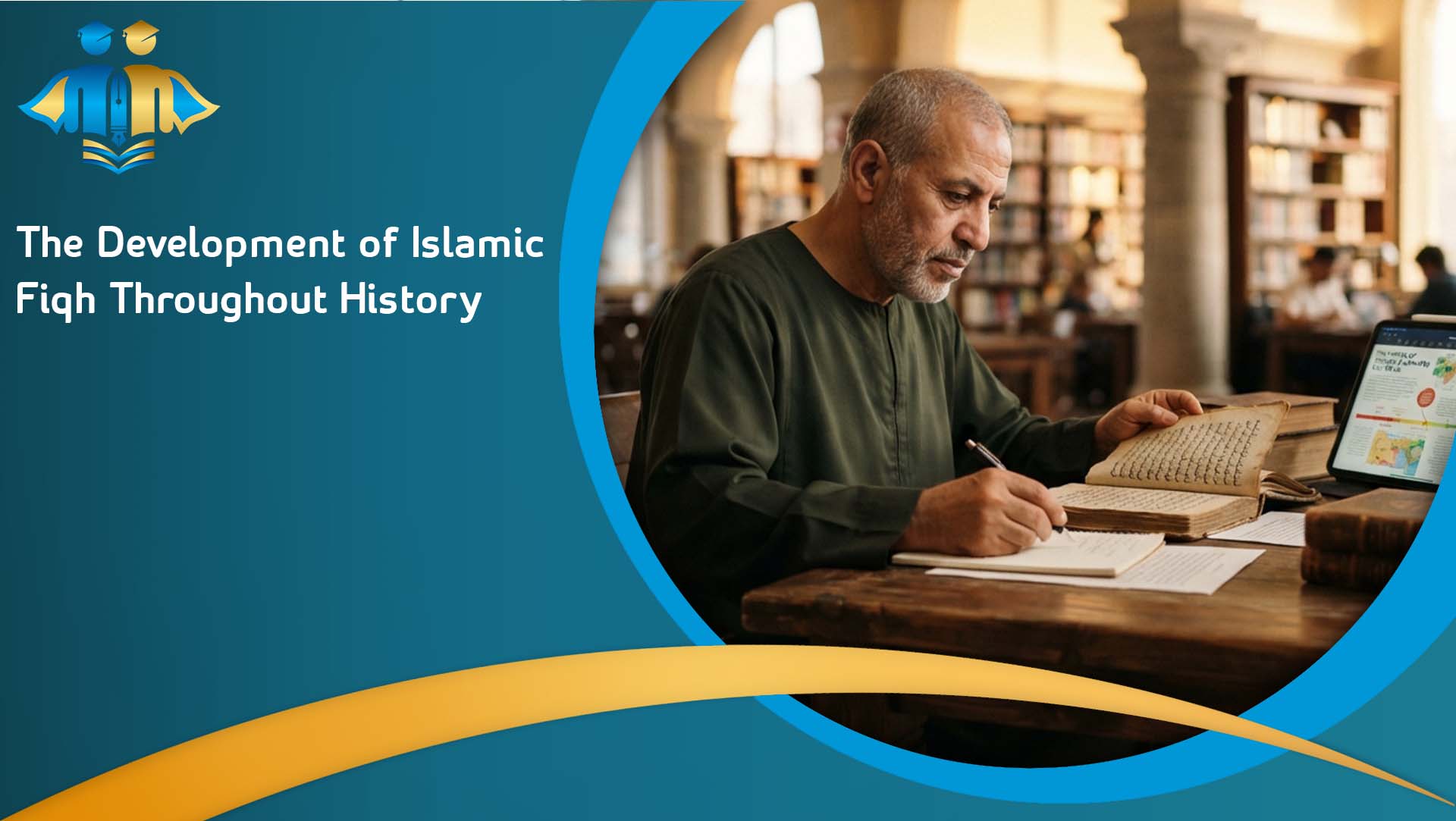
The development of fiqh began during the lifetime of the Prophet Muhammad ﷺ, when Muslims sought guidance directly from him. After his passing, companions and later scholars continued studying Islamic sources to answer new questions.
During the early centuries of Islam, major schools of jurisprudence developed. These schools created organized methodologies for interpreting Islamic texts and deriving rulings.
The scholars behind these traditions contributed greatly to Islamic intellectual history. They developed principles of reasoning, evidence evaluation, and legal interpretation that continue to influence Muslim communities worldwide.
The growth of Islamic jurisprudence demonstrates the importance Islam places on knowledge, reflection, and responsible decision-making.
Major Schools of Islamic Jurisprudence
Throughout Islamic history, several schools of thought became widely recognized. To better understand what Islamic fiqh is, it is helpful to explore how each school developed unique methods while remaining committed to the same authentic Islamic sources.
Each school shares the same foundational sources but may differ in methods of interpretation.
Hanafi School
The Hanafi school emphasizes reasoning, analogy, and consideration of circumstances when deriving rulings. It became influential in many regions, including parts of Asia, the Middle East, and Turkey. Studying the Hanafi tradition helps answer what is islamic fiqh because it demonstrates how scholars carefully apply Islamic principles to practical situations.
Maliki School
The Maliki school gives significant importance to the practices of the people of Madinah and the traditions connected to the early Muslim community. Learning about this school also explains what is islamic fiqh by showing the value of preserving authentic practices from the earliest Muslim generations.
Shafi’i School
The Shafi’i school is known for developing systematic principles of Islamic legal theory and emphasizing the relationship between the Qur’an and Sunnah. Its methodology offers another explanation of what is islamic fiqh through organized legal reasoning based on authentic Islamic evidence.
Hanbali School
The Hanbali school places strong emphasis on textual evidence from the Qur’an and Sunnah while maintaining careful scholarly analysis. This approach further clarifies what is islamic fiqh by prioritizing direct textual evidence alongside sound scholarly interpretation.
These schools represent different approaches within Islamic scholarship. They demonstrate the diversity of Islamic legal thought while sharing common beliefs and principles. Understanding their similarities and differences makes it easier to understand what is islamic fiqh from a balanced scholarly perspective.
Objectives of Islamic Jurisprudence and Its Role in Human Life
Understanding what is Islamic fiqh also requires understanding its main objectives. Islamic jurisprudence was developed to protect essential aspects of human life and create a balanced society based on justice, mercy, and responsibility. Scholars refer to these objectives as Maqasid al-Shariah, which represent the higher purposes behind Islamic rulings.
The purpose of Islamic law is not only to establish rules but also to preserve human dignity and promote individual and social well-being. Every ruling in fiqh aims to achieve benefits and prevent harm. This objective further illustrates what Islamic fiqh is because every ruling seeks justice, compassion, and the welfare of society.
Protection of Religion
One of the primary objectives of Islamic jurisprudence is protecting faith and enabling Muslims to practice their religion. Fiqh provides guidance regarding acts of worship such as prayer, fasting, charity, and pilgrimage. This is one practical example of what is islamic fiqh in everyday worship and religious commitment.
Through clear explanations of religious practices, Islamic scholars help Muslims understand their obligations and perform worship correctly. This guidance allows individuals to maintain a strong connection with their Creator while following authentic teachings. Such guidance helps every learner appreciate what is islamic fiqh beyond simple legal definitions.
Protection of Life
Islamic teachings emphasize the value and sanctity of human life. Islamic jurisprudence includes principles that protect people from harm, injustice, and unnecessary suffering. Protecting life is another essential answer to what is islamic fiqh because preserving human dignity remains a primary Islamic objective.
Rules related to safety, healthcare, family responsibilities, and social justice reflect this objective. Scholars consider the preservation of life when addressing modern issues such as medical treatments and ethical questions. Modern healthcare discussions continue demonstrating how Islamic fiqh operates in contemporary society.
Protection of Intellect
Islam places great importance on knowledge and reasoning. Islamic jurisprudence protects the human mind by encouraging education and preventing practices that damage intellectual abilities. Anyone studying education in Islam quickly learns what is islamic fiqh through these important intellectual principles.
Protection of Family and Lineage
Family is considered a fundamental part of society in Islam. Fiqh provides detailed guidance regarding marriage, divorce, inheritance, and family responsibilities. Family legislation clearly reflects what is Islamic fiqh by protecting rights and strengthening social stability.
Protection of Wealth
Islamic jurisprudence establishes principles for ethical financial behavior. It encourages honesty, fairness, charity, and responsible economic activity. Ethical financial guidance provides another practical explanation of what Islamic fiqh entails in modern commercial life.
Rules related to trade, contracts, inheritance, and financial agreements help prevent exploitation and promote economic justice. These regulations continue showing what is islamic fiqh whenever Muslims conduct financial transactions responsibly.
Modern Applications of Islamic Fiqh in Daily Life

Many people ask what Islamic fiqh is because they want to know whether Islamic jurisprudence applies only to historical matters or whether it can address modern challenges. In reality, fiqh continues to play an important role in contemporary life. Modern examples help readers fully understand what is islamic fiqh in today’s rapidly changing world.
Islamic Finance and Business Ethics
One of the most visible applications of Islamic jurisprudence today is financial ethics. Islamic finance is based on principles such as fairness, transparency, risk sharing, and avoiding harmful economic practices. Islamic banking offers a clear example of what is islamic fiqh through ethical financial systems.
Medical Ethics and Healthcare
Advancements in medicine have created many new questions requiring careful Islamic analysis. Scholars examine medical issues by considering Islamic principles related to preserving life, preventing harm, and respecting human dignity. Medical ethics continue expanding discussions about what is Islamic fiqh in modern healthcare decisions.
Technology and Digital Transactions
Technology has transformed the way people communicate, work, and conduct business. Islamic jurisprudence addresses modern questions related to digital payments, online contracts, intellectual property, and responsible technology use. Digital innovation proves what is islamic fiqh remains relevant in every generation.
Environmental Responsibility
Islamic teachings encourage humans to care for the Earth and avoid unnecessary destruction. Contemporary discussions in Islamic jurisprudence include environmental responsibility, sustainability, and ethical resource management. Environmental protection also demonstrates what Islamic fiqh is through responsible stewardship of Allah’s creation.
Islamic Fiqh and the Halal Industry
The growth of the halal industry has increased global interest in Islamic jurisprudence. Many consumers want to understand how products and services meet Islamic requirements. The worldwide halal industry helps explain what is islamic fiqh through practical standards used by millions of Muslims every day.
Categories of Islamic Rulings

Frequently Asked Questions About What Is Islamic Fiqh
about what is Islamic fiqh, including its meaning, importance, major schools, practical applications, and its role in guiding Muslims in everyday life.
1. What is Islamic fiqh?
What is Islamic fiqh? It is the scholarly understanding and interpretation of Islamic teachings derived from the Qur’an and Sunnah. It explains how Muslims apply Islamic principles in daily life.
2. What is the difference between Islamic fiqh and Shariah?
Shariah is the divine guidance revealed by Allah in the Qur’an and Sunnah, while fiqh is the human understanding and application of those teachings through scholarly interpretation.
3. Why are there different schools of Islamic fiqh?
Different schools developed because scholars used various methods to interpret Islamic sources. Despite these differences, they share the same fundamental beliefs and authentic sources.
4. Can Islamic fiqh address modern issues?
Yes. Islamic fiqh continues to guide contemporary topics such as finance, medicine, technology, environmental responsibility, and digital transactions through established scholarly principles.
5. How can I start learning what is islamic fiqh?
You can begin by studying with qualified scholars, reading authentic Islamic resources, and enrolling in structured Islamic education programs that explain the principles of fiqh step by step.
In conclusion, what is Islamic fiqh is a question that opens the door to understanding how Islamic teachings are applied in every aspect of life. By learning what is Islamic fiqh, Muslims gain a deeper appreciation of the relationship between the Qur’an, the Sunnah, and the scholarly methods used to derive practical rulings.
Understanding what is Islamic fiqh also highlights the flexibility of Islamic jurisprudence in addressing both traditional and contemporary issues while remaining faithful to authentic Islamic principles. Whether discussing worship, family life, business ethics, healthcare, or modern technology, what is Islamic fiqh provides a comprehensive framework for making informed and responsible decisions.
For students seeking reliable Islamic education, Super Muslim Online Quran Academy offers structured learning with qualified teachers who help learners understand what Islamic fiqh is through authentic knowledge, practical guidance, and a strong connection to the Qur’an and the Sunnah.

You may also like

Hajj and Umrah Guide for Beginners: Step-by-Step
Janazah Islamic Funeral Guide: A Complete Guide