
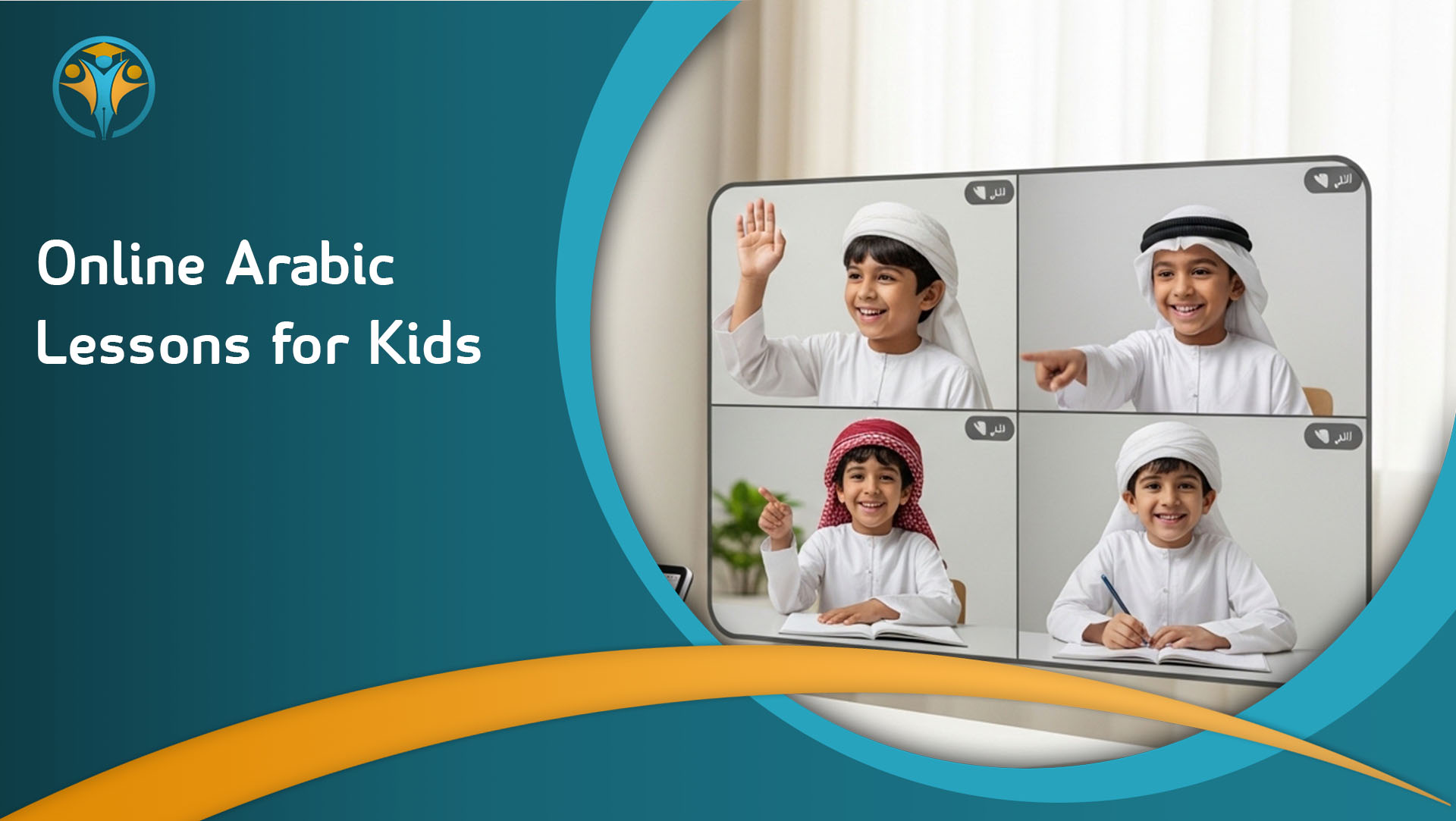
Online Arabic Lessons for Kids: Engaging Arabic Learning
Teaching Arabic to young children works differently than teaching adults, and programs that ignore this often struggle to hold a child’s attention past the first few sessions. Kids need shorter lessons, more repetition through games and songs, and frequent small wins to stay engaged rather than long explanations of grammar rules.
Online lessons for children work well when built around this reality, using visual aids, letter tracing activities, and simple vocabulary building rather than treating young learners like miniature adults. A teacher experienced specifically with children makes a noticeable difference here.
What Makes a Kids Class Actually Work
Sessions for younger children typically run 20 to 30 minutes, since attention spans drop sharply beyond that. Good teachers mix in short breaks, praise small progress often, and keep a consistent weekly rhythm so children know what to expect. Many parents pair basic Arabic lessons with early Noorani Qaida practice, since letter recognition skills overlap and reinforce each other naturally.
Parents should expect regular, simple updates on what their child covered each week rather than vague progress reports, since this makes it easier to reinforce learning briefly at home between sessions.
Choosing the Right Teacher for Your Child
Look specifically for teachers with real experience working with children, not just general Arabic tutors adapting on the fly. A short trial lesson reveals a lot: does the teacher keep the child engaged, use age appropriate examples, and maintain patience through repeated corrections. Programs that later transition children into a broader Islamic education path as they grow tend to build a smoother, more natural progression than starting from scratch with a new provider each time.

You may also like

Female Arabic Tutor Online | Arabic Lessons for Girls

Learn Arabic Online Course | complete guide for beginners