Islamic Classes For Kids | Fun and Interactive Learning
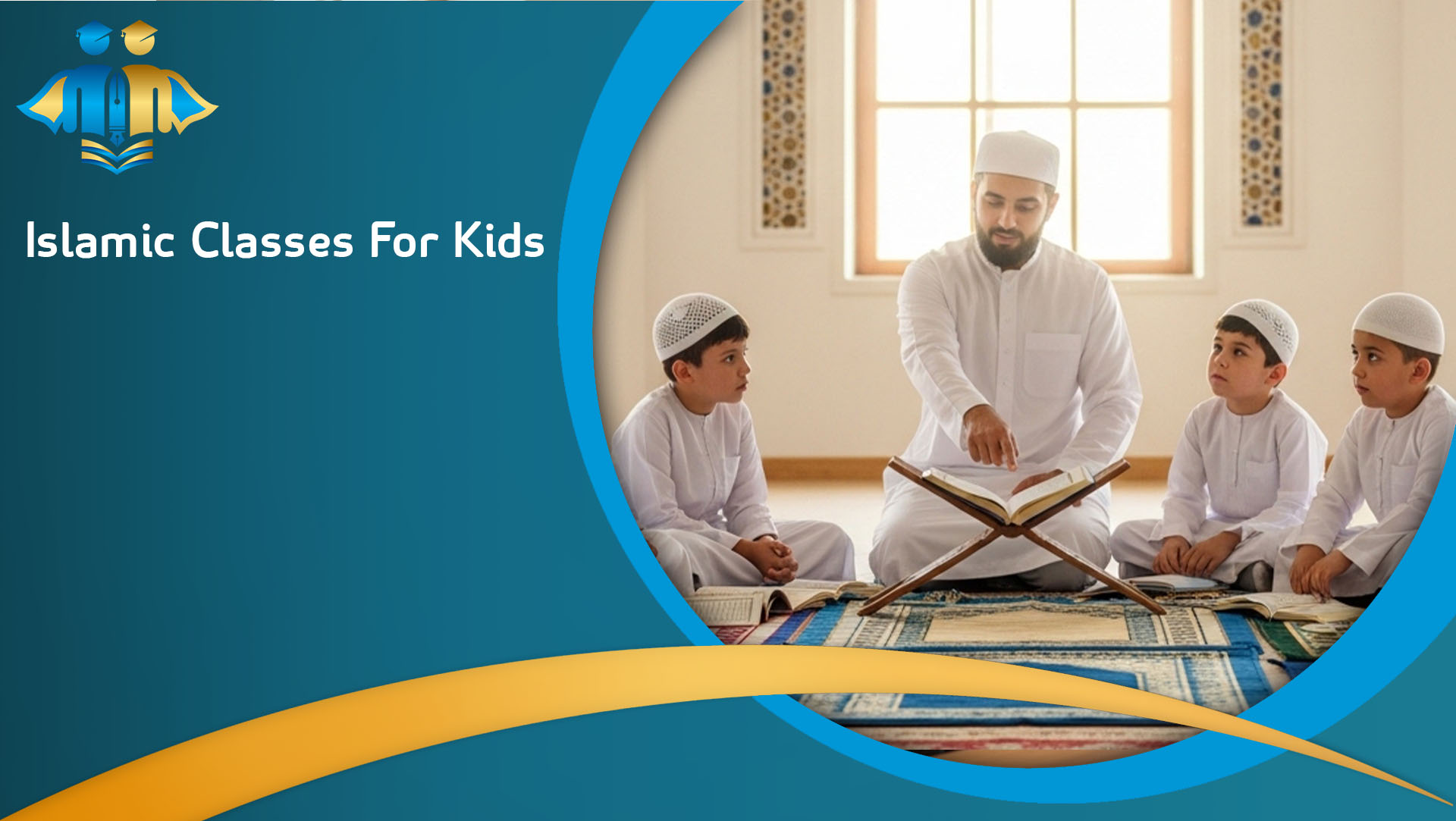
Islamic Classes For Kids provide a structured and engaging way for children to learn the foundations of Islam in a simple and enjoyable manner. These classes focus on teaching essential topics such as Quran recitation, basic Arabic, Islamic manners, and daily duas through interactive methods that suit young learners. If this interests you, good deeds in Islam is another area worth checking out. It’s a good idea to also look into teach Islam to kids once you’ve got the basics down. Many families exploring this also ask about kids Islamic education, which covers similar ground.
Moreover, early exposure to Islamic education helps children build a strong spiritual identity and understand their values from a young age. With supportive teachers and age-appropriate content, children can learn at their own pace while staying motivated. Additionally, consistent learning helps develop discipline, confidence, and a positive connection with Islamic teachings over time.
Islamic Classes For Kids And Early Learning Success
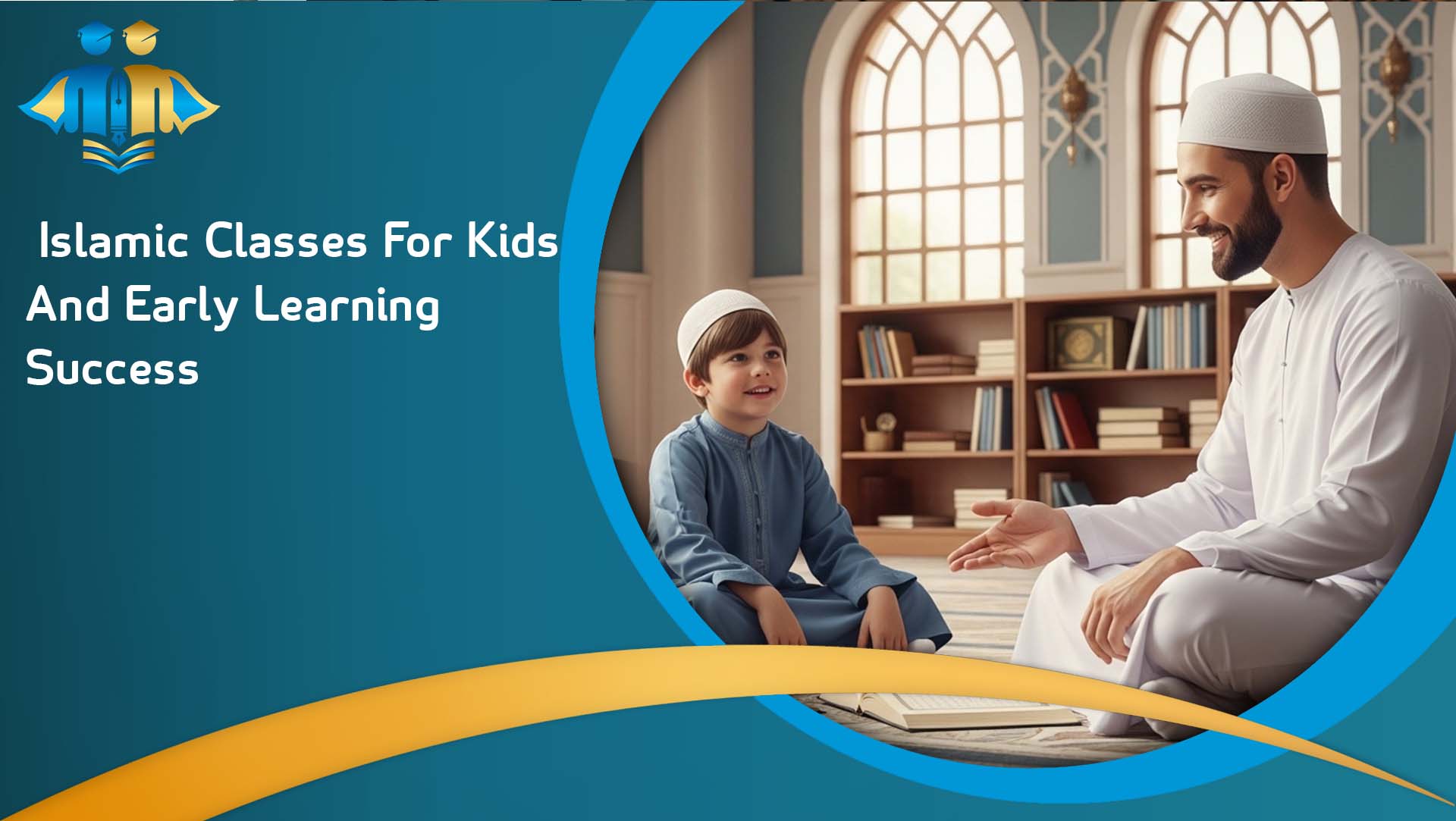
Providing children with strong Islamic education from an early age plays a crucial role in shaping their identity and strengthening their values. Today, parents increasingly look for structured programs that offer reliable and engaging learning experiences for their children in a safe environment.
Therefore, choosing the right educational path helps children understand their religion in a simple and meaningful way that supports lifelong growth. For this reason, platforms like Super Muslim focus on delivering structured programs that simplify Islamic learning for young students effectively.
Islamic education for children is not only about knowledge but also about building character, discipline, and spiritual awareness from an early stage. Moreover, well-designed programs ensure that children learn step by step without feeling overwhelmed or confused by complex religious concepts.
Start Your Child’s Islamic Learning Journey Today
Give your child the opportunity to build a strong foundation in Islamic knowledge with engaging and structured lessons designed for every age. At Super Muslim, we provide interactive Islamic education that helps children learn Quran, values, and essential teachings in a simple and enjoyable way.
Our experienced teachers guide students step by step to ensure steady progress and real understanding. Join today and invest in your child’s future by building faith, confidence, and strong character from an early age.

Why Islamic Education For Children Is Important Today
Early Islamic education helps children develop a clear understanding of their faith while building strong moral and ethical values. In addition, it provides them with the tools they need to distinguish between right and wrong in daily life situations.
Therefore, parents who invest in structured learning give their children a lifelong advantage in both spiritual and personal development.
Core Benefits Of Early Islamic Learning For Kids
- Children develop strong moral values such as honesty, respect, and kindness through consistent exposure to Islamic teachings.
- Structured lessons help build discipline and responsibility, which positively affect academic performance and daily behavior.
- Early learning strengthens spiritual identity, helping children grow with confidence in their faith and cultural understanding.
Furthermore, programs designed for children ensure that lessons remain simple, engaging, and suitable for different age groups. Because of this, Super Muslim provides carefully structured content that helps children learn effectively without unnecessary complexity.
Learn More: female quran teacher online
Key Areas Covered In Islamic Classes For Kids
Effective educational programs focus on multiple aspects of Islamic learning to ensure a complete and balanced development experience. These areas include Quranic studies, daily prayers, Islamic history, and character-building lessons designed specifically for young learners. Moreover, combining these subjects helps children understand Islam as a complete way of life rather than separate topics.
Essential Subjects Taught In Structured Programs
- Quran reading and recitation with proper pronunciation and gradual memorization of selected verses for daily practice.
- Islamic manners and ethics that teach respect for parents, kindness to others, and responsibility in behavior.
- Basic understanding of prayers and worship practices to help children build a strong spiritual routine early in life.
In addition, storytelling methods are often used to explain prophets’ lives and historical events in an engaging way. Therefore, Super Muslim integrates interactive techniques that make learning enjoyable while maintaining educational value and accuracy.
How Children Benefit From Structured Islamic Learning Programs
Children who participate in organized Islamic education programs develop stronger knowledge and better understanding of their religion. Moreover, they gain confidence in performing daily practices such as prayer and recitation with clarity and accuracy.
As a result, they grow with a balanced mindset that supports both spiritual and personal development simultaneously. In addition, these programs encourage active participation, which improves communication skills and builds confidence in expressing ideas.
Furthermore, consistent exposure to Islamic teachings helps children develop empathy and respect for others in their environment. This approach ensures that learning becomes a natural part of their daily routine rather than a separate activity.
Learn more: Prayer lesson for beginners
Building Strong Character Through Islamic Education
One of the main goals of Islamic learning is to develop strong character traits that guide children throughout life. Therefore, lessons often focus on honesty, patience, gratitude, and respect as essential values in daily behavior.
Moreover, these qualities help children build positive relationships with family, friends, and their wider community. In addition, storytelling plays an important role in teaching moral lessons through real examples from Islamic history.
Because of this, children can understand and retain important values more easily and effectively. Just as the Hijrah of Prophet Muhammad teaches powerful lessons of patience, faith, and transformation, this approach leaves a lasting impact and helps shape responsible, respectful individuals in society.
Role Of Parents In Supporting Islamic Learning For Kids
Parents play a vital role in reinforcing what children learn during their Islamic education journey at home. Moreover, consistent encouragement helps children stay motivated and engaged with their studies over time. Therefore, creating a supportive environment at home strengthens learning outcomes and improves overall understanding significantly.
In addition, parents can participate in revision activities to help children retain information more effectively. Furthermore, discussing lessons at home encourages communication and deepens the child’s understanding of Islamic teachings. This collaboration between parents and educators ensures a more effective and meaningful learning experience for children.
Encouraging Lifelong Love For Islamic Learning In Children
Building a lifelong love for Islamic learning begins with creating positive and engaging educational experiences during childhood. Therefore, lessons should focus on simplicity, interaction, and encouragement to keep children motivated and interested consistently.
Moreover, when children enjoy learning, they naturally develop curiosity and a deeper connection with their faith over time. In addition, repetition and practical examples help reinforce concepts and make them easier to remember in daily life.
Furthermore, celebrating small achievements boosts confidence and encourages children to continue progressing in their learning journey. This supportive approach ensures that Islamic education becomes a meaningful and enjoyable part of their everyday routine.
Learn more: Prayer lesson for beginners
How Modern Platforms Improve Islamic Learning For Kids
Modern technology has made Islamic education more accessible and interactive for children around the world today. Therefore, online platforms provide flexible learning options that allow children to study from the comfort of their homes. Moreover, digital tools help make lessons more engaging through visuals, interactive activities, and guided instruction.
In addition, live sessions allow children to interact directly with qualified teachers and receive real-time feedback. Because of this, platforms such as Super Muslim combine traditional teaching methods with modern technology for better results. This approach ensures that children receive high-quality education in a flexible and supportive learning environment.
Read also: online arabic tutor for kids
Challenges And Solutions In Children’s Online Islamic Education
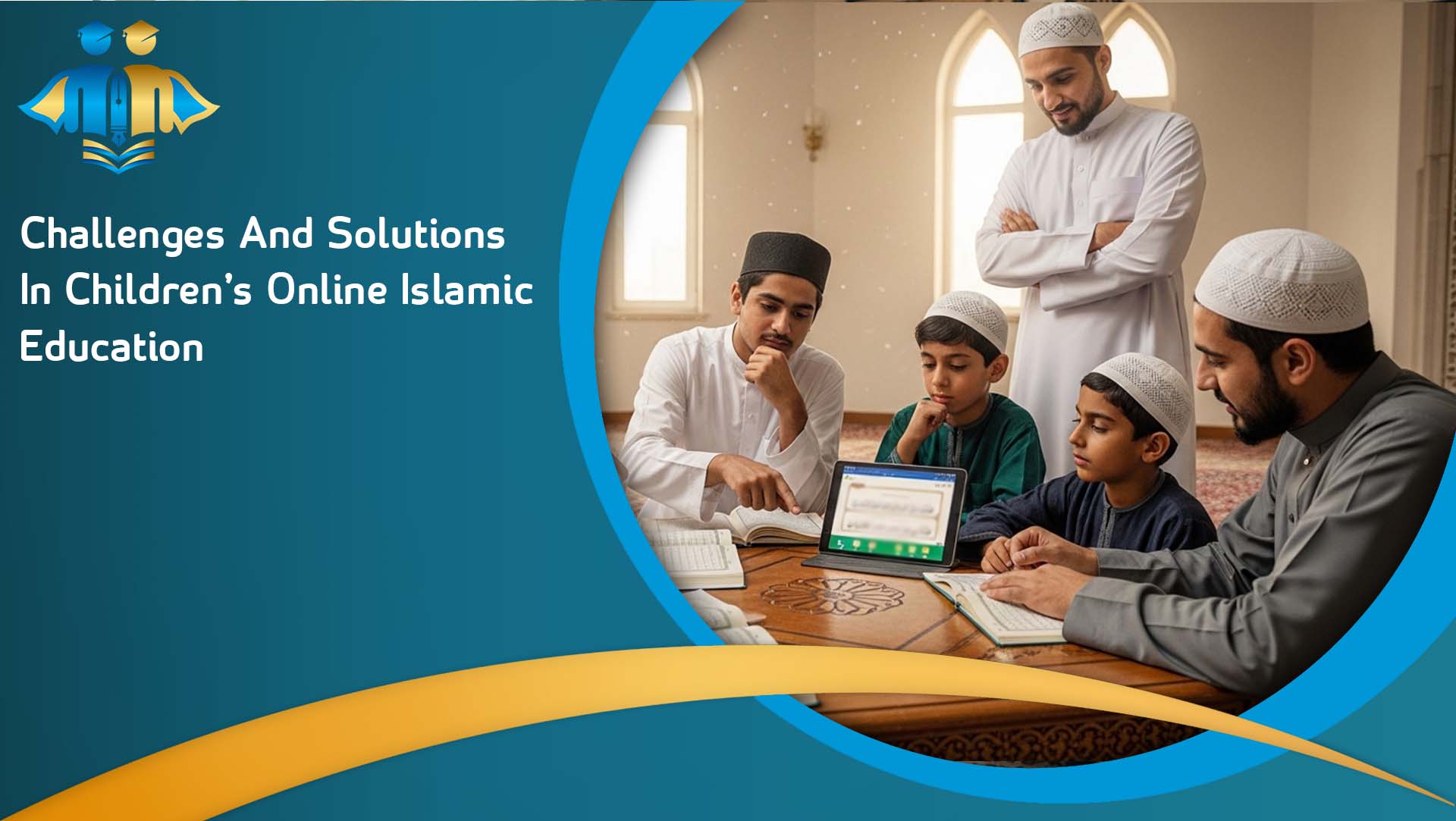
While online learning offers many advantages, it also presents challenges such as distractions and lack of physical supervision. Therefore, maintaining a structured schedule is essential to ensure consistent progress and effective learning outcomes.
Moreover, creating a dedicated study space helps children focus better and reduces unnecessary interruptions during lessons. In addition, parental involvement plays a key role in guiding children and keeping them motivated throughout their studies.
Furthermore, regular communication with teachers helps identify weaknesses and improve understanding in specific areas. By addressing these challenges, children can benefit fully from online Islamic education programs.
Frequently Asked Questions
This section answers important questions that parents often ask when choosing Islamic education programs for their children.
At what age should children start Islamic classes?
Children can begin basic Islamic education at an early age when they start developing communication and learning skills. Early exposure helps them build familiarity with Islamic values and gradually understand more complex topics as they grow older.
How long does it take for children to learn basic Islamic studies?
The duration depends on the child’s learning pace, consistency, and level of engagement with the program. However, structured programs usually show noticeable progress within a few months of regular participation and practice.
Can online Islamic classes replace traditional learning methods completely?
Online classes provide flexibility and accessibility, but combining them with parental guidance improves overall learning effectiveness significantly. Therefore, a balanced approach ensures children receive both structured education and practical reinforcement at home.
In conclusion, Islamic Classes For Kids play a vital role in shaping a child’s understanding of their faith and strengthening their connection with Islamic values. Through structured lessons and engaging activities, children can develop essential knowledge while enjoying the learning process.
Furthermore, these classes encourage good behavior, discipline, and confidence, which positively impact their daily lives. By choosing the right program and maintaining consistency, parents can ensure steady progress and meaningful learning outcomes. Ultimately, investing in Islamic education at an early age builds a strong foundation that supports lifelong growth and a deeper connection with faith.
Learn More: islamic courses online

You may also like
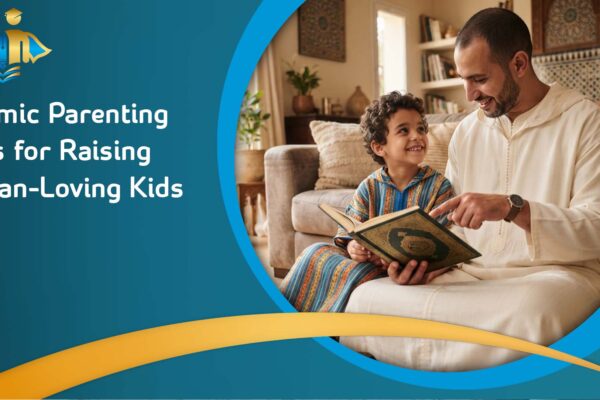
Islamic Parenting Tips for Raising Quran-Loving Kids at Home

What Is Islamic Fiqh? A Beginner’s Guide to Islamic Law