Kids Islamic Education | Fun Islamic Learning Online
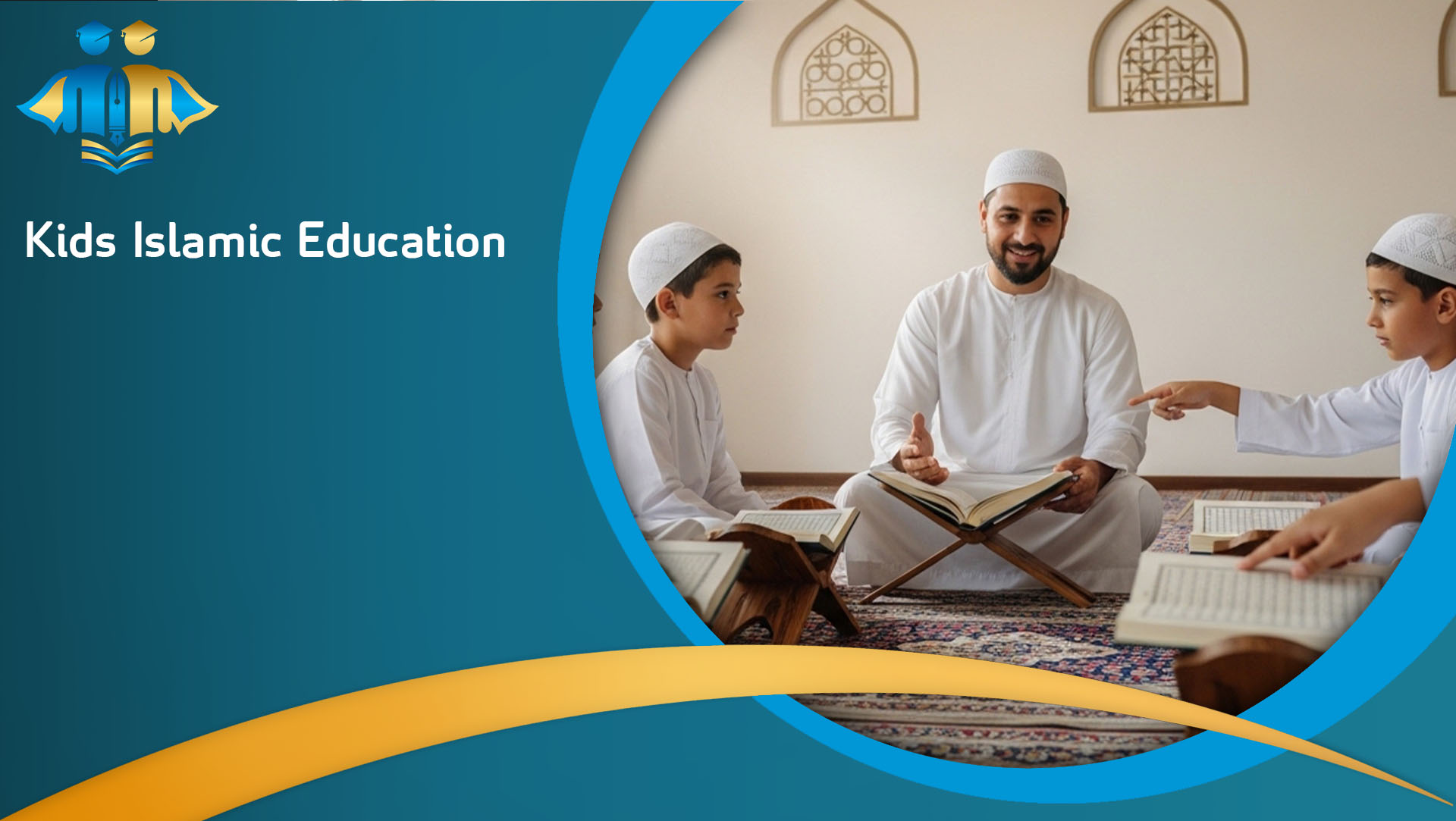
Kids Islamic Education is a vital foundation for nurturing faith, character, and moral values in children, and Super Muslim Islamic online Quran academy plays a key role in delivering structured, interactive learning experiences that support this mission. In today’s fast-paced world, parents seek reliable ways to connect their children with Islamic teachings in a manner that is both meaningful and age-appropriate.
Through interactive lessons, qualified teachers, and carefully designed curricula, children can develop a deep understanding of Islamic principles while enjoying the learning process.
This balanced approach helps instill strong beliefs. It also develops positive behavior. Most importantly, it builds a lasting connection to faith from an early age.
Rethinking Curriculum Design for Better Engagement

Traditional Islamic curricula often repeat foundational topics without adding new depth, which limits intellectual growth and reduces student enthusiasm over time. Therefore, a well-designed curriculum must evolve gradually, introducing more complex ideas while reinforcing previously learned concepts in meaningful and engaging ways.
Super Muslim Islamic online Quran academy addresses this issue by structuring lessons that match each child’s cognitive level while encouraging exploration and critical thinking consistently. Furthermore, students feel more motivated when they encounter new perspectives that challenge their understanding and expand their knowledge step by step.
In addition, effective curriculum design focuses on clarity, relevance, and progression rather than overwhelming students with excessive information or unnecessary repetition. This ensures learning remains focused and purposeful. It also aligns with clear educational goals. These goals support both academic and spiritual development.
Consequently, children develop confidence in their abilities, which positively impacts their engagement and long-term commitment to learning Islamic studies.
This section highlights how structured curriculum design directly improves student engagement, strengthens understanding, and supports long-term retention through meaningful learning experiences.
Start Your Child’s Islamic Learning Journey Today
Give your child the gift of meaningful Kids Islamic Education with Super Muslim Islamic online Quran academy. Enroll now to provide a structured, engaging, and spiritually enriching learning experience guided by qualified teachers.
Help your child build strong faith, develop good character, and connect deeply with Islamic values in a supportive environment. Don’t wait to invest in their future—join today and watch them grow with confidence, knowledge, and a lasting love for their religion.

Key Elements of an Effective Islamic Curriculum
A successful curriculum should include several essential components that ensure balanced development and consistent student engagement throughout different learning stages.
- Clear learning objectives that define expected outcomes and guide both teachers and students toward measurable progress and meaningful educational achievements
- Gradual progression that builds upon previous knowledge while introducing new concepts in a way that challenges and motivates learners effectively
- Real-life application that connects Islamic teachings with daily experiences, helping children understand the relevance of what they learn consistently
- Interactive teaching methods that encourage participation, discussion, and critical thinking rather than passive memorization without understanding
These elements combine to build a learning environment where children feel engaged, supported, and motivated to explore Islamic knowledge with confidence and depth. Islamic Studies Course at Super Muslim Islamic online Quran academy applies these principles to deliver a balanced education that effectively integrates knowledge, understanding, and practical application.
Connecting Islamic Knowledge to Daily Life
One of the most important aspects of successful Kids Islamic Education is making lessons relevant to the child’s everyday experiences and social environment. Many traditional methods focus heavily on historical narratives without explaining how these lessons apply to modern life situations that children encounter regularly. When educators connect teachings to real-life examples, students understand better. They also form a stronger emotional connection with the subject.
For example, lessons about honesty, patience, and kindness become more meaningful when linked to situations children face at school, home, or with friends. Therefore, educators must go beyond storytelling and focus on extracting practical values that children can apply in their daily decisions and interactions. Super Muslim Islamic online Quran academy emphasizes contextual learning strategies that bridge the gap between knowledge and real-life application effectively.
As a result, students start to view Islamic teachings as a practical guiding framework for their daily behavior rather than abstract ideas detached from real life. This method enhances understanding while also supporting strong character development and consistently reinforcing positive values in a meaningful and lasting way through Islamic classes.
Watch more:
Practical Methods to Make Learning Relevant
Educators can apply several strategies to ensure that Islamic education remains engaging, meaningful, and applicable to modern life situations for children.
- Use storytelling techniques that highlight lessons and encourage students to reflect on how they can apply these values in their own lives
- Encourage open discussions where students share their thoughts and experiences, creating a more interactive and dynamic education environment
- Incorporate real-life scenarios that help students practice decision-making based on Islamic principles and ethical guidelines
- Utilize visual and digital tools that enhance understanding and make lessons more appealing to modern learners who are accustomed to interactive content
These methods shift education from passive reception to active engagement, encouraging participation, reflection, and continuous development. Islamic Classes For Kids are at the heart of this approach, where Super Muslim Islamic online Quran academy applies these strategies to keep learning dynamic, engaging, and tailored to today’s children’s needs.
The Role of Teachers in Shaping Learning Experiences
Teachers play a central role in determining how students perceive and engage with Islamic education throughout their academic journey. When teachers demonstrate enthusiasm, clarity, and strong communication skills, students naturally become more interested and motivated to learn consistently. However, when teaching lacks energy or direction, students quickly lose interest and disconnect from the subject matter.
Selecting and training educators is very important. It improves educational outcomes significantly. It also creates a positive learning environment
Super Muslim Islamic online Quran academy invests in developing teachers who not only deliver knowledge effectively but also inspire students through their passion and dedication. In addition, teachers are trained to build strong relationships with students, which enhances trust, engagement, and overall learning experiences significantly.
Moreover, effective teachers act as role models, demonstrating the values they teach through their behavior and interactions both inside and outside the classroom. This consistency reinforces the lessons being taught and helps students internalize Islamic values in a natural and meaningful way.
Overcoming Challenges in Modern Islamic Education
Many educational systems face challenges such as outdated teaching methods, lack of engagement, and limited connection between content and real-life application. As a result, students may memorize information without truly understanding its meaning or relevance to their daily lives and personal development. Therefore, addressing these challenges requires a comprehensive approach that focuses on curriculum design, teaching methods, and student engagement simultaneously.
Super Muslim Islamic online Quran academy approaches these challenges by integrating modern educational strategies with authentic Islamic teachings to create a balanced learning experience. This includes using interactive tools, structured lesson plans, and continuous assessment methods that track student progress effectively. Consequently, students receive a more personalized learning experience that supports their individual needs and learning styles consistently.
In addition, innovation plays a key role in maintaining student interest and ensuring that education remains relevant in a rapidly changing world. By embracing new methods and technologies, institutions can create more engaging and effective learning environments that support long-term success.
Building Strong Foundations for Lifelong Learning

A successful Islamic education program does not only focus on short-term achievements but also aims to build a strong foundation for lifelong learning and spiritual growth. This requires a balance between knowledge, understanding, and application, ensuring that students develop a deep and lasting connection with their faith. Moreover, consistency in learning helps reinforce concepts and strengthens retention, allowing students to build upon their knowledge over time effectively.
Super Muslim Islamic online Quran academy supports this goal by providing well-designed curriculum that guide students through different stages of learning with clarity and purpose. In addition, continuous feedback and assessment help identify areas for improvement and ensure that students remain on the right path toward achieving their goals. As a result, students develop confidence in their abilities and a strong sense of responsibility toward their learning journey.
Furthermore, fostering a positive learning environment encourages curiosity, creativity, and a desire to explore Islamic knowledge beyond the classroom setting. This mindset supports lifelong learning and helps students continue their educational journey with motivation and enthusiasm.
FAQs
In this section, we address additional important questions that parents often ask when exploring the best ways to support their children’s Islamic education journey effectively.
How can parents make Islamic education more engaging for children at home?
Parents can reinforce learning by creating a supportive environment that encourages daily practice, open discussions, and positive reinforcement of Islamic values. In addition, setting consistent routines, reading together, and discussing real-life applications of lessons help strengthen understanding and build lasting habits over time.
What age is most suitable to start structured Islamic education for children?
Children can begin learning basic Islamic concepts at an early age, but organized learning path are most effective when tailored to their developmental stage and learning ability. Starting early with age-appropriate methods helps build familiarity, confidence, and a strong foundation that supports future learning and deeper understanding.
How can technology be used effectively in Islamic education without distractions?
Technology can enhance learning when used purposefully through interactive tools, educational platforms, and guided digital content that supports lesson objectives clearly. However, it is important to maintain balance, set clear boundaries, and ensure that technology serves as a tool for learning rather than a source of distraction or disengagement.
In conclusion, Kids Islamic Education remains essential for building a strong spiritual and moral foundation that guides children throughout their lives. By investing in structured and student-centered learning experiences, parents can ensure their children grow with a clear understanding of Islamic values and teachings.
Platforms like Super Muslim Islamic online Quran academy make this journey more accessible, flexible, and effective through expert guidance and interactive methods. Ultimately, early Islamic education shapes not only knowledge but also character, helping children become confident, responsible individuals who carry their faith with understanding, sincerity, and purpose in every aspect of their daily lives.