Hajj step by step: Complete Guide for First-Time Pilgrims
Hajj step by step is a clear spiritual journey offered by Super Muslim Quran Academy to help Muslims understand every stage of this sacred pilgrimage. Hajj is not only a physical journey to Makkah, but also a powerful act of worship, patience, unity, and obedience to Allah. Many Muslims feel overwhelmed when learning about Ihram, Tawaf, Sa’i, Arafat, Muzdalifah, Mina, and the farewell Tawaf. It’s a good idea to also look into Islam muslim identity once you’ve got the basics down. If you’re curious about Seerah course online, it’s worth taking a look at what’s involved before you start.
That is why a simple step-by-step explanation makes the process easier to understand and follow. By learning each ritual in the correct order, pilgrims can prepare their hearts, minds, and actions with confidence, sincerity, and devotion before performing one of Islam’s greatest obligations.
Understanding Hajj Purpose And Inner Meaning
The following section explains why Hajj matters, how its history shapes worship, and what every Muslim should know before planning travel properly.
Hajj As A Lifelong Pillar
Hajj is the fifth pillar of Islam, and it is not a normal trip or cultural visit. It is worship done for Allah alone. A pilgrim leaves home, comfort, routine, and personal status to answer a divine call. Therefore, intention matters before every movement.
The journey teaches surrender. Pilgrims follow a fixed order, wear simple clothing, avoid certain actions, and accept crowded conditions with patience. Moreover, they learn that worship includes manners, restraint, mercy, honesty, and respect.
A Muslim who understands this purpose performs Hajj with a present heart. Super Muslim Quran Academy encourages every pilgrim to study meaning before logistics. When knowledge comes first, Tawaf, Sa’i, Arafah, Mina, and sacrifice become acts of devotion, not only required movements.
Equality Before Allah In Hajj
Hajj shows equality in a powerful way. Muslims from different countries, languages, colors, and social levels stand together before Allah. Rich and poor wear simple clothing. Strong and weak share the same sacred places. Leaders and workers make the same du’a.
This scene reminds the pilgrim of the Day of Judgment. Nobody can depend on wealth, appearance, job title, or family name before Allah. Instead, every person needs mercy, forgiveness, and acceptance. As a result, Hajj softens pride and builds humility.
This equality also teaches responsibility and reflects values that many students encounter when they learn Islam online. A pilgrim should avoid pushing, insulting, mocking, or harming others, treating everyone with respect and kindness. Good character matters deeply during the journey, and patience in crowded situations can be a clear sign that the pilgrimage has truly touched the heart.
Start Your Hajj Learning Journey Today
Begin preparing your heart and mind for Hajj with clear, trusted guidance from Super Muslim Quran Academy. Learn the rituals, understand their meanings, and build the confidence you need before this sacred journey. Whether you are planning to perform Hajj soon or want to strengthen your Islamic knowledge, now is the right time to start learning with purpose, clarity, and sincerity.

Sacred History Behind The Pilgrimage
This section connects the rites with Ibrahim, Hajar, Isma’il, Zamzam, and the Ka’bah, helping pilgrims understand worship beyond movement and travel routines.
Lessons From Prophet Ibrahim’s Family
The roots of Hajj return to Prophet Ibrahim, peace be upon him, his wife Hajar, and his son Isma’il. Their story teaches trust, sacrifice, and obedience to Allah. Ibrahim accepted difficult commands with faith. Hajar showed courage when she remained in Makkah with her child.
When water finished, Hajar ran between Safa and Marwa while searching for help. She did not give up, although the desert looked empty. Then Allah blessed the valley with Zamzam. This moment teaches believers that effort and trust belong together.
Super Muslim Quran Academy teaches that Hajj history should shape the heart. The rites are not empty symbols. They remind Muslims that Allah can bring relief from unexpected places, and that sincere obedience may bless generations long after the test ends.
Zamzam Safa Marwa And Ka’bah
Zamzam became a source of life in Makkah. Later, Ibrahim and Isma’il built the Ka’bah as a house for the worship of Allah alone. Muslims do not worship the Ka’bah. Rather, they worship Allah while facing the direction He chose.
Tawaf around the Ka’bah reflects devotion, unity, and obedience. Sa’i between Safa and Marwa recalls Hajar’s struggle, hope, and effort. Sacrifice reminds Muslims of Ibrahim’s readiness to obey Allah, even when the command tested his deepest love.
Therefore, each rite has meaning. A pilgrim who knows the story feels connected to generations of believers. This understanding makes worship focused and prevents the journey from becoming only transport, schedules, and photographs.
Who Must Perform The Pilgrimage
This section focuses on duty, dates, ability, and reliable guidance, similar to how people searching to learn Quran near me seek clear and trusted instruction, so pilgrims begin with clarity instead of emotional confusion or rushed decisions.
Ability Conditions And Personal Responsibility
Hajj becomes obligatory when a Muslim meets clear conditions. The person must be Muslim, mature, sane, financially able, physically able, and safe enough to travel. Islam does not demand the impossible. However, it makes the duty serious for those who can perform it.
Financial ability means more than buying a ticket. A Muslim should not neglect debts, family needs, rent, food, or essential responsibilities. If travel harms these duties, the person should delay and seek advice. Similarly, physical ability matters because Hajj includes walking, heat, waiting, crowds, and long days.
Children may perform Hajj with their families, and they receive reward. However, this does not remove the obligation after adulthood if they later become able. A person with permanent illness should ask a qualified scholar about possible alternatives.
Dates Types And Trusted Guidance
Hajj takes place in Dhul Hijjah, the final month of the Islamic calendar. The main rites occur from the 8th to the 12th or 13th day. Since the Islamic calendar follows the moon, Gregorian dates change every year. Therefore, pilgrims should confirm current dates through official authorities and their approved travel provider.
There are three main types of Hajj: Tamattu, Qiran, and Ifraad. Many international pilgrims perform Tamattu because it includes Umrah first, then Hajj during the same journey. Still, the right choice depends on the package, timing, intention, and scholarly guidance.
Super Muslim Quran Academy recommends learning the selected type before reaching the Miqat. This prevents confusion during Ihram and after arrival in Makkah. Trusted knowledge saves time, reduces stress, and helps the pilgrim worship with confidence.
Performing Hajj step by step Correctly
These rites follow a sacred order, and each stage carries practical duties, spiritual meanings, and lessons for disciplined worship before Allah alone, similar to how those who study Quran online follow structured learning that builds understanding step by step.
Ihram Umrah Tawaf And Sa’i
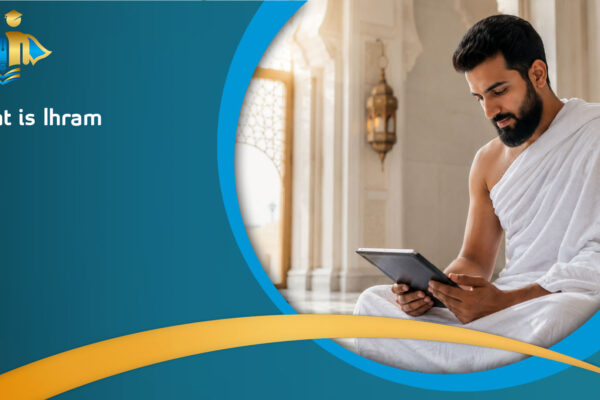
For Tamattu, the pilgrim enters Ihram for Umrah before crossing the Miqat. Men wear two plain white cloths. Women wear modest clothing that follows Islamic guidelines, without covering the face during Ihram. After making the intention, pilgrims recite the Talbiyah and avoid Ihram restrictions.
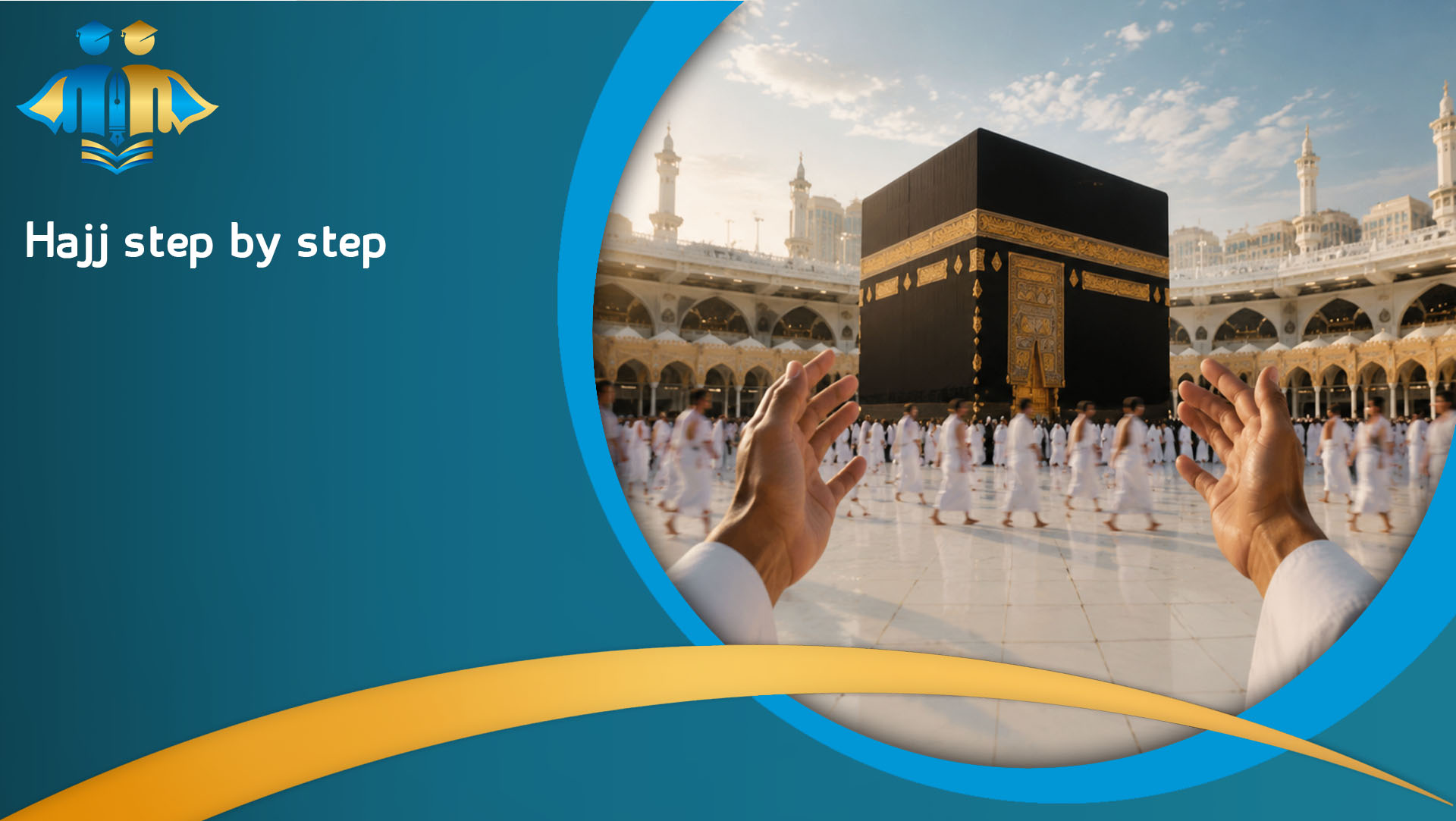
After reaching Makkah, the pilgrim performs Tawaf around the Ka’bah seven times. Each circuit begins and ends at the Black Stone line. Then the pilgrim prays two units if possible and drinks Zamzam. After that, Sa’i begins between Safa and Marwa.
Sa’i consists of seven laps, beginning at Safa and ending at Marwa. This rite honors Hajar’s search for water and teaches effort with trust in Allah. Then men shave or trim their hair, while women trim a small amount. Umrah ends here.
Mina Arafah And Muzdalifah Journey
On the 8th of Dhul Hijjah, pilgrims enter Ihram again with the intention of Hajj. Then they travel to Mina and stay in organized tents. They pray, remember Allah, read Qur’an, rest, and prepare for the next day. Mina teaches patience because space may feel limited.
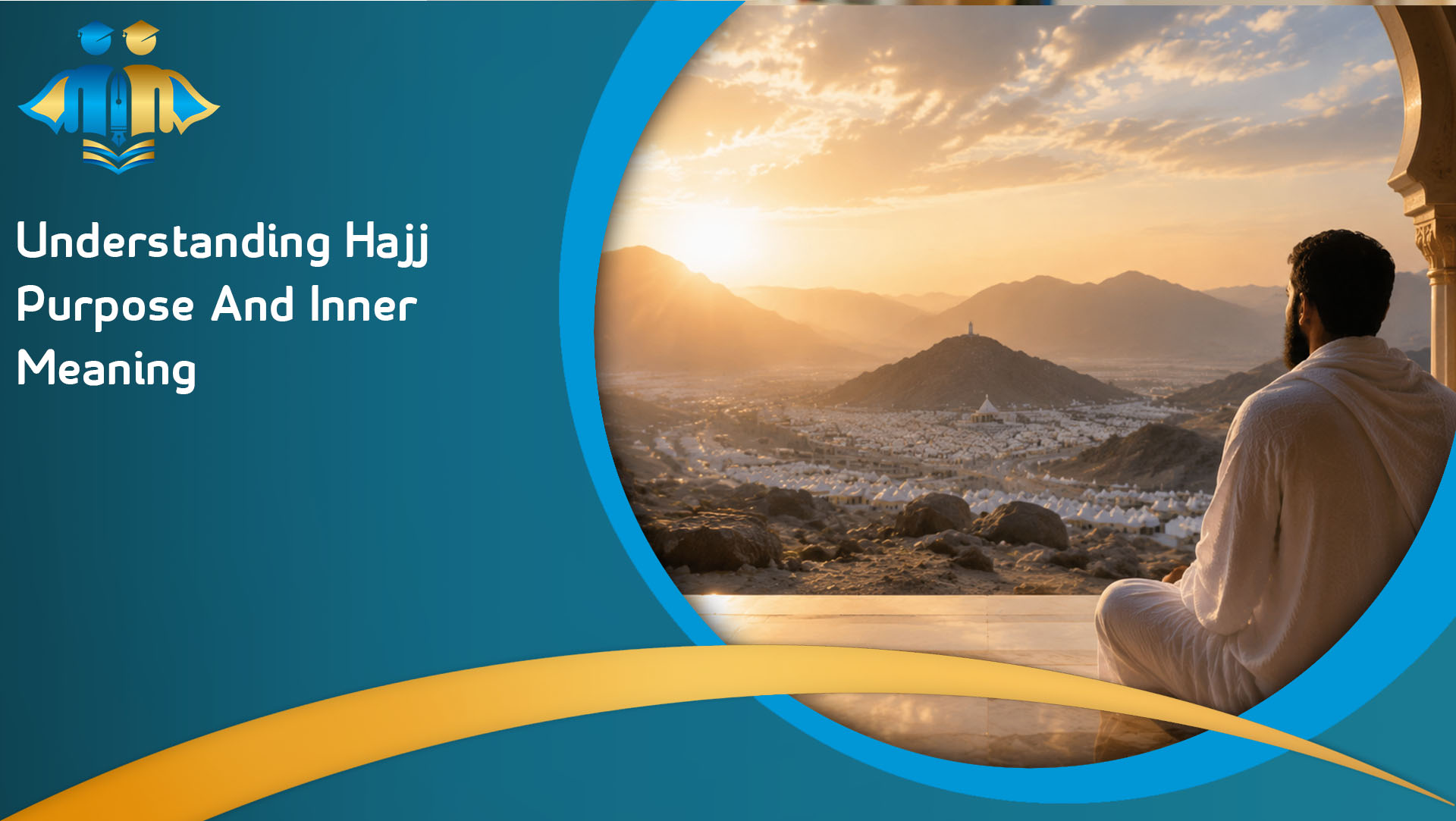
On the 9th, pilgrims travel to Arafah after sunrise. This is the central day of Hajj. They spend the day making du’a, seeking forgiveness, remembering Allah, and standing with humility. It is not necessary to climb Jabal al Rahmah.
After sunset, pilgrims leave for Muzdalifah, where they combine Maghrib and Isha prayers, shorten Isha, and rest beneath the open sky. Many students in Islamic Studies and those attending Islamic Classes Online reflect on this peaceful stage of Hajj to better understand patience, simplicity, and spiritual preparation. Pilgrims may collect pebbles there or later in Mina, while this step in the Hajj journey helps preserve energy and maintain focus in worship.
Completing The Final Sacred Rites
Completion requires calm movement, correct timing, and sincere manners, because crowded places test both knowledge and character during every remaining rite well.
Rami Sacrifice And Hair Trimming
On the 10th of Dhul Hijjah, pilgrims return to Mina and perform Rami at Jamarat al Aqabah. They throw seven pebbles and say “Allahu Akbar” with each throw. This act symbolizes rejecting Shaytan and choosing obedience to Allah. It does not mean Shaytan lives inside the pillar.
After Rami, the sacrifice takes place for those performing Tamattu or Qiran. Many pilgrims complete this through authorized arrangements. Then men shave or trim their hair, while women trim a small amount. At this stage, most Ihram restrictions end.
Pilgrims should avoid anger during Rami. They should not throw shoes, bottles, or personal items. They should follow official movement times because these rules protect lives.
Tawaf Ifadah And Mina Days
After Rami, sacrifice, and hair trimming, pilgrims go to Makkah for Tawaf al Ifadah and Sa’i. These are essential rites. The Haram may be crowded, so pilgrims should move calmly and follow their group schedule. Harming others during worship damages the spirit of the act.
After completing these rites, pilgrims return to Mina. On the 11th and 12th of Dhul Hijjah, they stone the three Jamarat in order: small, middle, then large. Each receives seven pebbles. Some pilgrims stay until the 13th and repeat the same process.
- Do not push people during Tawaf, Sa’i, Rami, transport, or tent movement, even when the schedule feels stressful.
- Do not use perfume, scented soap, or fragranced creams after entering Ihram, unless a scholar confirms an exception.
- Do not copy strangers blindly, especially in rulings about illness, menstruation, missed rites, penalties, or timing.
Pilgrims who understand the order can complete the rites without losing patience, safety, or spiritual focus.
Returning Home With Better Character
The return from Makkah should begin a better life, not close a chapter of temporary emotion and beautiful memories after sacred travel.
Farewell Tawaf Before Leaving Makkah
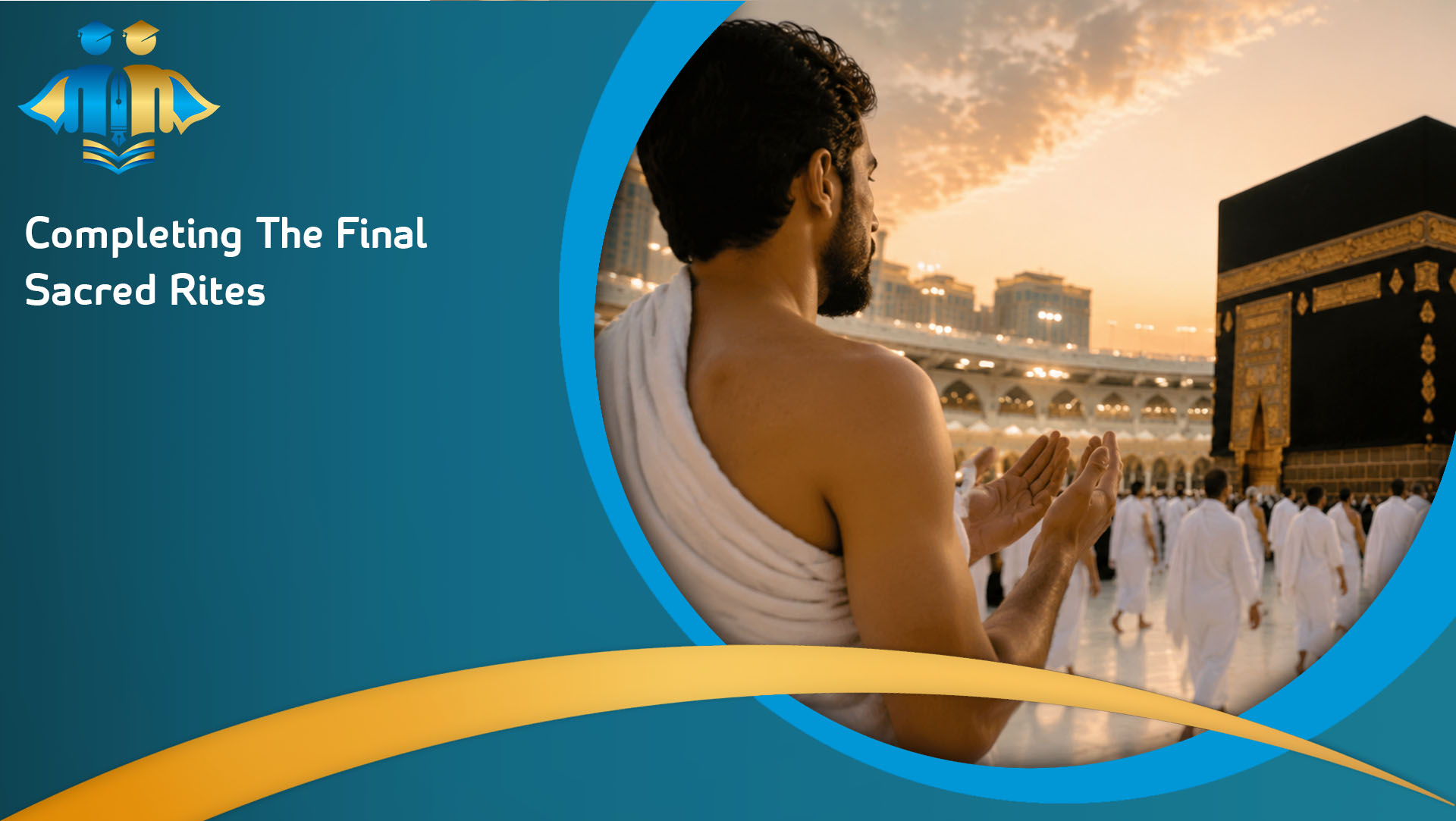
Before leaving Makkah, pilgrims perform Tawaf al Wida, known as the Farewell Tawaf. It includes seven circuits around the Ka’bah, followed by prayer if possible and drinking Zamzam. There is no Sa’i after this Tawaf.
Women experiencing menstruation have a specific concession. Therefore, they should ask a qualified scholar in their group for personal guidance. Pilgrims should not delay important questions until the final hour because last-minute confusion can create stress.
The Farewell Tawaf is an emotional moment. A pilgrim leaves the sacred city with gratitude, hope, and humility. However, the real test begins after returning home. The journey should become a turning point in daily worship.
Preserving The Hajj Transformation Afterward
A sincere pilgrim should return with better prayer, cleaner speech, fairer dealings, and stronger family ties. Charity should continue. Patience should improve. Repentance should remain alive. Moreover, the pilgrim should avoid pride because Hajj is a mercy from Allah.
Super Muslim Quran Academy reminds Muslims that accepted worship leaves signs in behavior. A person who stood at Arafah should become more forgiving. A person who made Tawaf should become more devoted. A person who rejected Shaytan at the Jamarat should resist sin after returning home.
Small daily changes matter. Pray on time. Avoid backbiting. Pay debts. Help parents. Keep promises. Read Qur’an regularly. These actions protect the light of Hajj and make the journey continue through character.
Dhul Hijjah Worship Beyond Travel
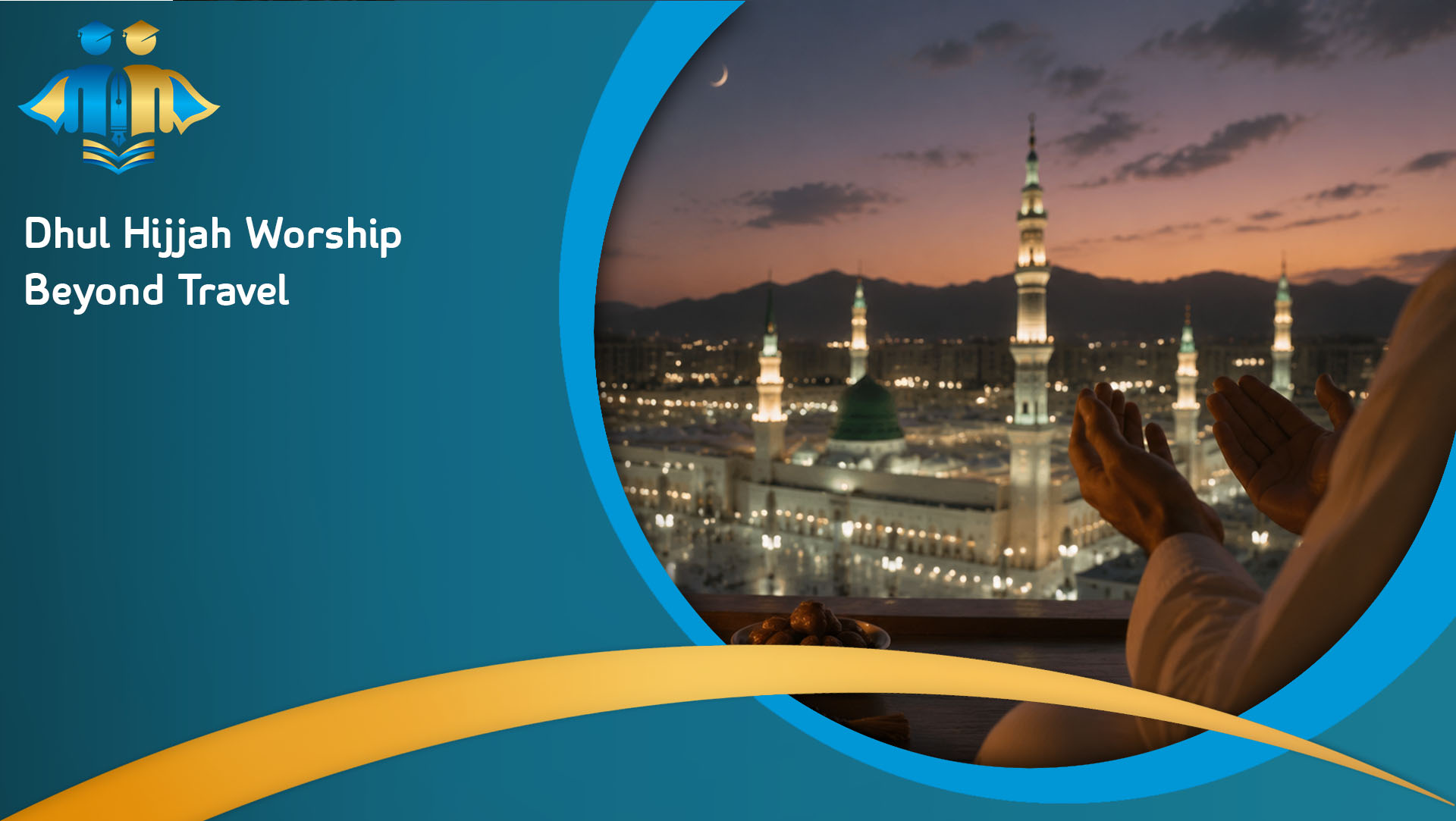
These blessed days remain valuable for Muslims everywhere, even when travel, health, money, or documents prevent them from reaching Makkah that year.
Good Deeds For Non Pilgrims
Not every Muslim can travel for Hajj. Some lack money, health, documents, time, safety, or family support. Yet the mercy of Dhul Hijjah reaches Muslims everywhere. The first ten days offer great chances for reward, repentance, and renewal.
Muslims at home can increase dhikr, recite Qur’an, give charity, help parents, repair relationships, and fast during the first nine days if able. The Day of Arafah carries special reward for fasting outside Hajj. Qurbani also helps Muslims remember the obedience of Ibrahim while supporting people in need.
Muslims who cannot travel should keep hope alive. They can plan, save, learn, and make sincere du’a. This hope should lead to preparation, not passivity.
Keeping Hope For Future Hajj
Learning about Hajj before receiving the opportunity is valuable. It builds love for the pilgrimage and removes fear of the unknown. It also helps families prepare financially and spiritually. Therefore, preparation is never wasted with Allah.
A Muslim can begin the journey in the heart before beginning it by flight. Whether a person travels this year or waits longer, knowledge brings them closer to the meaning of the pilgrimage. Faithful preparation can turn waiting into worship and hope into steady action.
Frequently Asked Questions About Hajj
The following answers cover important practical concerns that many pilgrims ask before departure but do not always discuss early enough with guides.
What Should Women Prepare Privately?
Women should learn rulings related to menstruation, Ihram clothing, modesty, Tawaf timing, medication, privacy, and group movement before travel. They should keep hygiene items, spare clothing, and needed medicine in an easy-to-reach bag. If their cycle affects a rite, they should not panic. Instead, they should ask the group scholar for guidance based on their exact situation.
What Happens If Mistakes Occur?
If a mistake happens during Hajj, the pilgrim should stay calm and avoid guessing. Some mistakes can be corrected, while others may require compensation. The ruling depends on the rite, timing, reason, and ability to fix it. The best response is to record the details clearly and speak to a qualified scholar as soon as possible.
How Can Families Support Pilgrims?
Families can support pilgrims by helping with documents, packing, health planning, finances, and emotional preparation. They should avoid adding stress before departure with unnecessary demands. During Hajj, short supportive messages are better than constant calls. After return, they should help the pilgrim protect good habits through encouragement, patience, and respect.
In conclusion, Hajj step by step is an essential guide from Super Muslim Quran Academy for every Muslim who wants to understand the pilgrimage with clarity and confidence. Hajj teaches patience, humility, sacrifice, equality, and complete submission to Allah.
When each stage of Hajj is understood carefully, from entering Ihram to standing at Arafat and completing the final Tawaf, the journey becomes more meaningful and spiritually fulfilling. Many people now rely on Online Islamic Courses to study the rituals in a structured and simple way before traveling. A clear understanding of Hajj helps pilgrims avoid confusion and stay focused on worship, repentance, and reflection, while learning about this pillar of Islamic Studies can deepen faith and strengthen the connection with Allah.

You may also like
Seerah and Hadith Course Online | Learn from Experts
How to pray in Islam: Step-by-Step Beginner Guide