

Tajweed rules for beginners: Easy Guide with Examples
Tajweed Rules For Beginners are essential for learning how to recite the Quran correctly with proper pronunciation and rhythm. At Super Muslim Quran Academy, these rules are explained in a simple and practical way that beginners can easily understand. Moreover, students are taught step by step to ensure they grasp each rule before moving forward. This ties in well with Tajweed classes online, something a lot of students ask about too. If this interests you, read Quran online with Tajweed is another area worth checking out.
In addition, teachers provide clear examples and continuous practice to improve accuracy. Therefore, learners can avoid mistakes and build strong recitation habits. Furthermore, this structured approach helps students gain confidence and improve their connection with the Quran gradually and effectively.
What Is Tajweed and Why It Matters
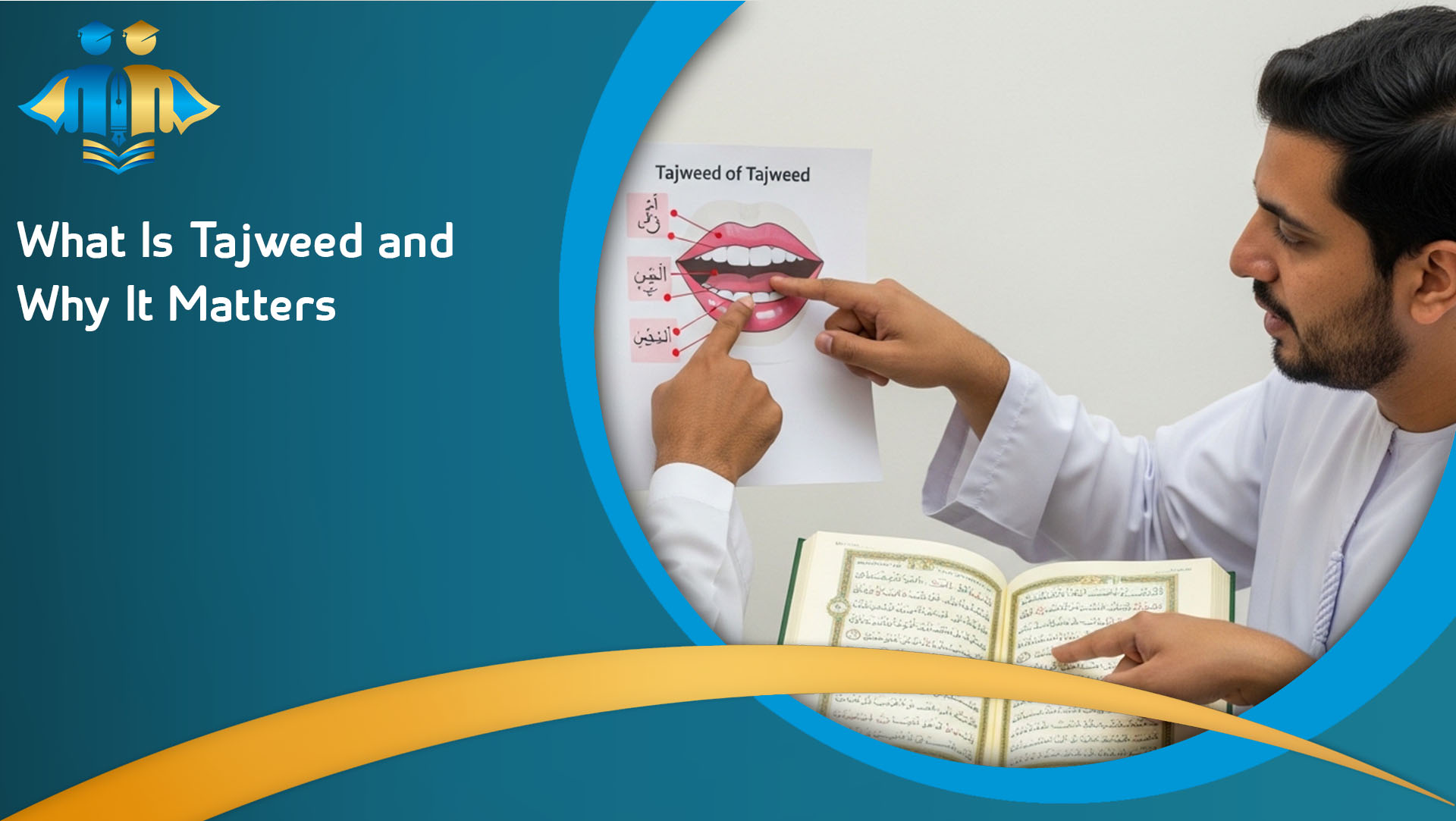
Tajweed literally means improvement or beautification, yet in practice it refers to applying specific phonetic rules when reciting the Qur’an. These rules govern how each letter exits from its articulation point and how it interacts with surrounding letters.
Consequently, proper Tajweed ensures that recitation reflects the original revelation without distortion or unintended changes in meaning. Furthermore, it transforms recitation into a balanced, rhythmic, and spiritually engaging act of worship.
In addition, learning Tajweed strengthens your connection with the Qur’an because you become more attentive to every sound and pause. This attention builds focus and discipline over time. Many learners begin their journey with structured support from platforms like online Quran Academy Super Muslim, where lessons are organized to suit beginners and intermediate students alike.
Therefore, instead of feeling overwhelmed, students can develop confidence step by step. Ultimately, Tajweed is not only about sound accuracy but also about honoring the sacred text through precise and mindful recitation.
Start Your Journey with Tajweed Today
Take the first step toward mastering Quran recitation with confidence and clarity at Super Muslim Quran Academy. Join a structured learning program designed specifically for beginners, where each Tajweed rule is explained in a simple and practical way.
With qualified teachers, personalized guidance, and consistent practice, you will improve your pronunciation, avoid common mistakes, and build strong recitation skills step by step. Enroll today and experience a supportive learning environment that helps you connect with the Quran more deeply while progressing at your own pace.

Core Categories of Tajweed Rules
Tajweed rules are often grouped into categories that help learners understand how letters behave in different contexts. First, articulation points define where each letter originates within the mouth or throat. Second, fixed characteristics describe qualities that remain constant, such as heaviness or softness. Third, variable characteristics explain changes that occur depending on surrounding letters or diacritics.
These categories provide a structured framework that simplifies learning and reduces confusion for beginners. Additionally, they help learners identify patterns instead of memorizing isolated rules. For example, when you understand how letters interact, you can predict pronunciation changes more easily.
Many structured programs, including those offered by Super Muslim Quran Academy and platforms that learn Islam online, emphasize this systematic approach to ensure long-term retention. As a result, students do not rely on guesswork but instead build a solid foundation that supports advanced recitation skills later on.
Noon Sakinah and Tanween Explained
One of the most essential topics in Tajweed involves Noon Sakinah and Tanween, which directly affect pronunciation in many Qur’anic words. Noon Sakinah refers to the letter “Noon” without a vowel, while Tanween represents a doubled vowel sound at the end of a word. These elements follow specific rules depending on the letter that comes after them.
The four main rules include Izhaar, Idghaam, Iqlaab, and Ikhfaa, each describing a different type of interaction between sounds. For instance, Izhaar requires clear pronunciation, while Idghaam merges sounds together smoothly. Meanwhile, Iqlaab transforms the sound into a Meem, and Ikhfaa partially hides it with a nasal tone.
Understanding these distinctions is crucial because they appear frequently in recitation. For many students searching for opportunities to learn Quran near me, mastering these rules early is especially important, as they form the foundation of accurate pronunciation, proper recitation, and confident reading.
Understanding Meem Sakinah Rules
Meem Sakinah follows a similar structure but involves three distinct outcomes based on the following letter. These rules ensure smooth transitions between sounds while maintaining clarity and rhythm. When applied correctly, they enhance both fluency and listening comprehension.
- Idghaam Shafawy occurs when a Meem is followed by another Meem, creating a merged sound with a strong nasal tone.
- Ikhfaa Shafawy appears when a Meem is followed by the letter Baa, producing a concealed sound with noticeable nasalization.
- Izhaar Shafawy happens when any other letter follows, requiring clear and distinct pronunciation without merging or concealment.
Mastering these rules improves your ability to maintain consistency during recitation. Additionally, practicing them regularly helps you recognize patterns quickly, which reduces hesitation while reading. Many learners benefit from guided repetition and feedback, especially when working through structured lessons designed for progressive improvement.
Key Tajweed Concepts That Shape Recitation
Beyond letter interactions, several foundational concepts define the rhythm and flow of Qur’anic recitation. Among these, Qalqalah introduces a slight echoing sound in specific letters when they carry a sukoon. This effect adds clarity and prevents the sound from becoming flat or unclear. Similarly, Madd involves lengthening vowel sounds for a defined number of counts, which creates balance and harmony in recitation.
There are different types of Madd, including natural, secondary, and compulsory elongation, each with specific conditions and durations. Additionally, the concept of Ghunnah introduces a nasal sound that appears in certain cases like Noon and Meem Mushaddadah. These elements work together to create a structured yet expressive style of recitation. Therefore, understanding how they interact allows learners to move beyond basic reading toward a more refined and accurate recitation quality.
How to Learn Tajweed Effectively
Learning Tajweed requires a combination of knowledge, practice, and consistent guidance from qualified teachers. While self-study can introduce basic concepts, it often lacks correction and personalized feedback. Therefore, structured learning remains the most reliable approach for beginners.
- Start with a qualified teacher who can identify and correct mistakes in real time while guiding your pronunciation development.
- Practice regularly using short, focused sessions that reinforce specific rules instead of attempting to cover too much at once.
- Listen to skilled reciters to improve your ear for rhythm, tone, and proper articulation patterns.
- Use repetition and revision to strengthen memory and ensure long-term retention of rules.
By following these steps, learners can build a strong foundation without feeling overwhelmed. Additionally, enrolling in organized programs such as those provided by Super Muslim Quran Academy allows students to follow a clear roadmap with measurable progress. This structured approach reduces confusion and accelerates improvement over time.
The Role of Tajweed Symbols and Pausing Signs
Tajweed symbols play a crucial role in guiding recitation, especially for beginners who are still developing confidence, particularly those who study Quran online. These symbols indicate how to pronounce letters, when to pause, and where to continue reading. For example, the sukoon symbol marks the absence of a vowel, while the shaddah indicates doubling of a letter. Similarly, Madd symbols signal elongation of vowel sounds.
Pausing signs are equally important because they help preserve meaning and prevent misinterpretation. Some signs allow optional pause , while others require mandatory stopping or continuation. Understanding these symbols ensures that recitation remains both accurate and meaningful. Therefore, learners should not overlook this aspect, as it directly impacts comprehension and fluency. With consistent practice, recognizing these symbols becomes automatic, allowing smoother and more confident reading.
The Historical Development of Tajweed
Tajweed was not originally written as a formal science during the time of the Prophet Muhammad, because companions learned directly through listening and imitation. However, as Islam spread to non-Arab regions, differences in pronunciation began to appear. Consequently, scholars recognized the need to document rules to preserve correct recitation.
Over time, renowned scholars compiled and organized these rules into structured systems. Their efforts ensured that future generations could learn Tajweed accurately regardless of their linguistic background. This historical development highlights the importance of maintaining consistency in recitation. Moreover, it shows that Tajweed is not a modern invention but a carefully preserved tradition rooted in authentic transmission.
Benefits of Learning Tajweed
Learning Tajweed offers both spiritual and practical benefits that extend beyond recitation itself. First, it enhances your connection with the Qur’an by allowing you to engage with it more deeply and confidently. Second, it improves your pronunciation of Arabic sounds, which can support language learning in general.
Additionally, Tajweed builds discipline and attention to detail, as it requires focus and consistent practice. It also helps prevent errors that could alter meanings, ensuring that your recitation remains accurate and respectful. Furthermore, many learners find that mastering Tajweed increases their motivation to memorize the Qur’an. Therefore, investing time in learning these rules yields long-term rewards that go beyond basic reading skills.
Common Challenges and How to Overcome Them

Many beginners face challenges when learning Tajweed, especially when dealing with unfamiliar sounds or complex rules. However, these difficulties are normal and can be addressed with the right approach. One common issue is inconsistency in practice, which slows progress and leads to confusion. Another challenge involves distinguishing between similar sounds, particularly for non-native Arabic speakers.
To overcome these obstacles, learners should focus on gradual improvement rather than perfection. Regular practice, even in short sessions, is more effective than occasional long sessions. Additionally, seeking feedback from experienced teachers helps identify mistakes early. Over time, these strategies build confidence and reduce frustration. Therefore, persistence and structured learning are key to mastering Tajweed successfully.
Frequently Asked Questions About Tajweed rules for beginners
Before starting your journey, many learners have practical questions about how to study effectively, what to expect, and how to overcome common challenges.
What is the difference between Tajweed and Qira’at?
Tajweed focuses on pronunciation rules that apply to all recitations, while Qira’at refers to different accepted methods of reciting the Qur’an that were transmitted through authentic chains. Each Qira’ah follows Tajweed rules but may vary slightly in pronunciation or wording.
Can I learn Tajweed without knowing Arabic grammar?
Yes, you can learn Tajweed without studying Arabic grammar in depth, because Tajweed focuses mainly on pronunciation and sound rules. However, basic familiarity with Arabic letters and reading will make the learning process faster and more effective over time.
How long does it take to master Tajweed?
The time required depends on your consistency, practice routine, and quality of instruction. Some learners achieve strong proficiency within several months, while others take longer to refine their skills. Regular practice and guidance significantly reduce the learning curve.
In conclusion, Tajweed Rules For Beginners are a fundamental part of learning accurate Quran recitation. At Super Muslim Quran Academy, students receive clear explanations, practical training, and supportive guidance that make learning easier and more effective. Additionally, the structured teaching method ensures that each rule is understood properly before advancing to the next level.
Moreover, consistent practice helps improve fluency and pronunciation over time. As a result, beginners develop strong recitation skills and a deeper understanding of the Quran through guided and continuous learning.
Read also: Best Online Tajweed Course

You may also like

Best Online Tajweed Classes for Sisters: A Guide