
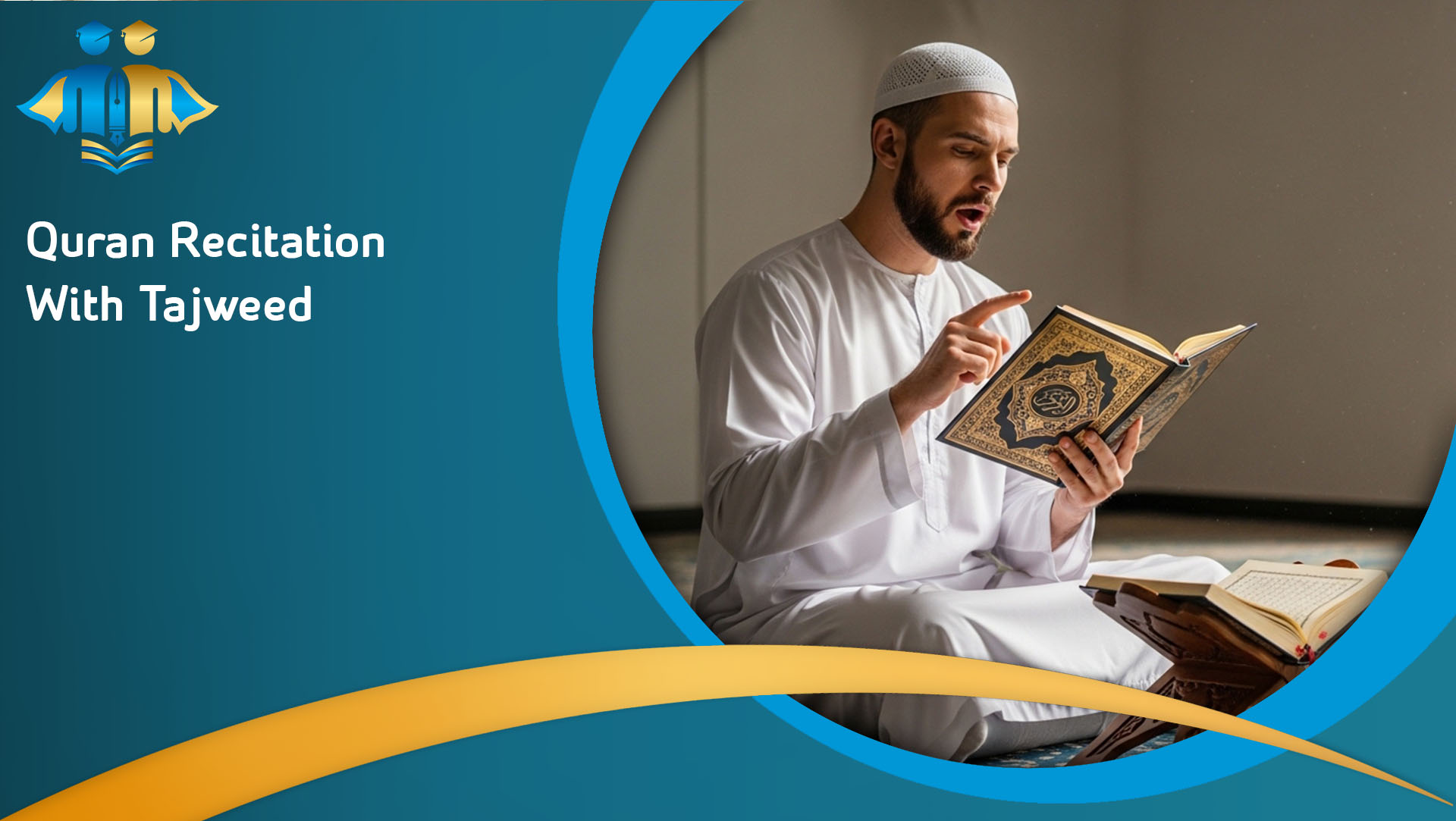
Quran Recitation With Tajweed | Improve Your Recitation
Reciting the Quran correctly involves more than reading the words in order. Tajweed rules govern how each letter is pronounced, where the sound originates in the mouth or throat, and how long certain letters are held, and getting these details right changes how the recitation sounds.
Many students learn to read Arabic script without ever being corrected on pronunciation, which means small habits can go uncorrected for years. Our teachers focus on listening closely to each student and providing feedback in real time, rather than simply moving through pages without addressing recurring mistakes.
How Tajweed Lessons Are Structured
Lessons typically begin by identifying where a student’s recitation currently stands, then build a plan around the specific rules they need most, whether that is proper elongation, nasal sounds, or the correct articulation points for certain letters. This is different from our general tajweed classes online, which cover the full rule set from the beginning for newer students.
Students who already read Arabic comfortably but want to refine their recitation often see faster progress, since the lessons can focus entirely on correction rather than basic reading skills. Younger students or beginners usually need a bit longer, and that is expected and planned for.
Practicing Between Sessions
Consistent practice between lessons makes a noticeable difference. Teachers usually assign short recitation passages to review before the next session, and recorded voice notes are sometimes used so students can hear their own progress over time. For those just starting out, our guide on how to study Quran covers some useful habits worth building early.
A free trial session is available for anyone who wants to have their current recitation assessed before committing to a full program.

You may also like

Noorani Qaida With Tajweed for Better Quran Reading

Tajweed For Beginners | Learn Correct Quran Recitation