
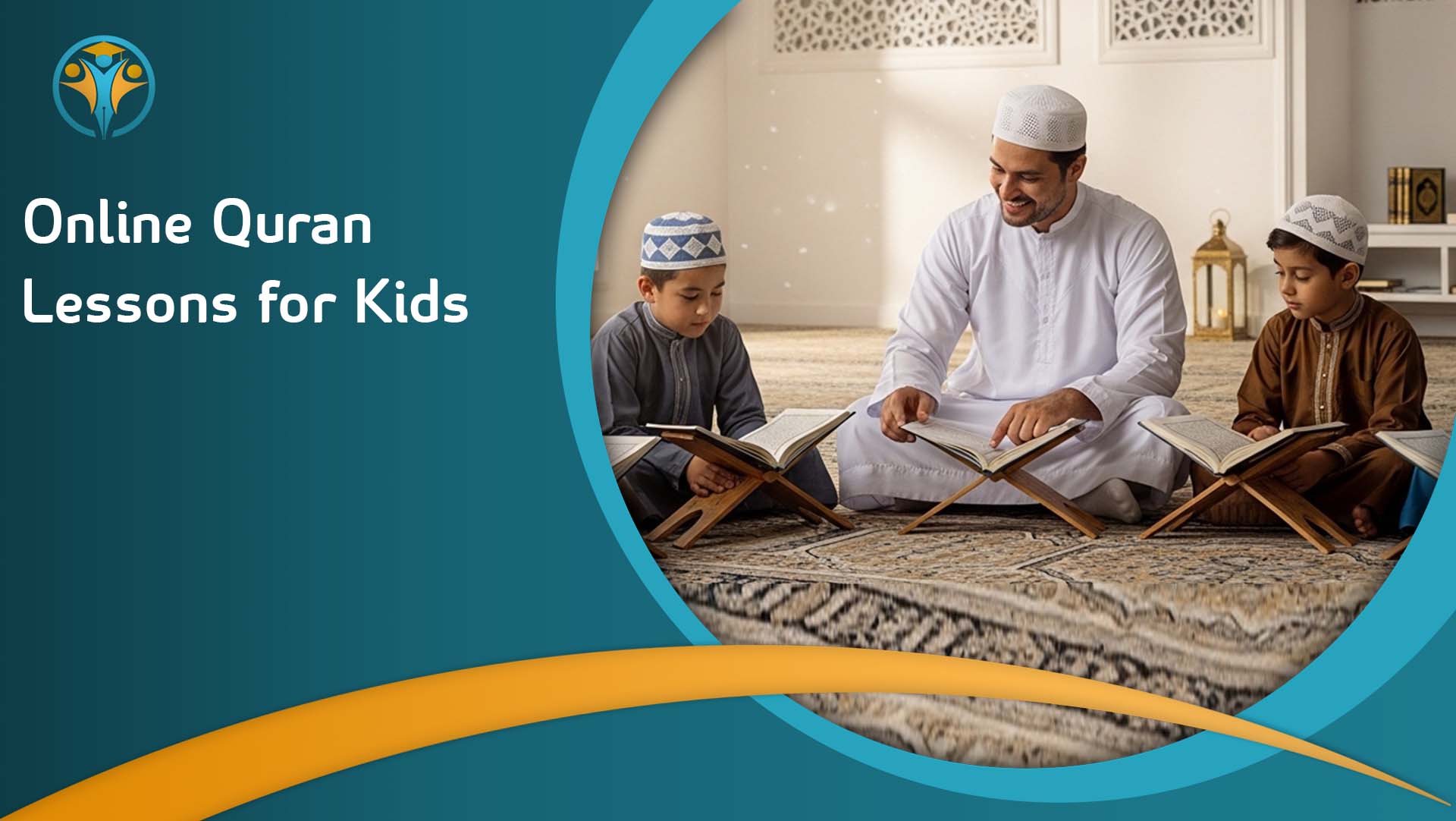
Online Quran Lessons for Kids: Fun Learning for Children
Teaching Quran to young children works differently than teaching adults, mainly because attention span, not motivation, is usually the limiting factor. A six or seven year old can want to learn perfectly well and still lose focus after ten minutes, so the actual teaching method matters as much as the content itself.
Short, Structured Sessions Work Better Than Long Ones
Online lessons for kids tend to work best in focused 30 minute blocks rather than longer sessions, mixing short reading practice with repetition games and plenty of positive feedback. A teacher experienced with young learners will vary the pace within a single session rather than expecting a child to sit through thirty minutes of the same activity.
Starting With Letters, Not Full Verses
Most children begin with Arabic letters and simple sounds before touching any verses, using something like Noorani Qaida as a foundation. Rushing a child into reciting verses before they can reliably recognize letters usually backfires, since it teaches memorized sound patterns rather than actual reading ability.
Why One-on-One Matters More for Kids Than Adults
An adult can often follow along in a group setting and self-correct later. A young child generally cannot, and a shy or easily distracted child in a group of ten or more often ends up quietly disengaged rather than asking for help. A private Quran class for kids means the teacher notices immediately when a child is stuck and adjusts rather than moving on regardless.
Keeping Parents in the Loop
Regular progress updates matter more for younger students, since parents are usually the ones reinforcing practice between sessions. A monthly summary of what was covered, along with specific things to practice at home, tends to make a real difference in how much actually sticks between classes.
Choosing a Female Teacher
Many parents specifically request a female teacher for young daughters, and most academies accommodate this as part of the teacher matching process rather than treating it as a special request.
A free 30 minute evaluation class lets a teacher assess a child’s current level and comfort before recommending a realistic starting point, with no cost and no pressure to continue.

You may also like

Quran Memorization Schedule for Working Adults: A Guide

How to Choose the Right Online Quran Teacher for Your Child