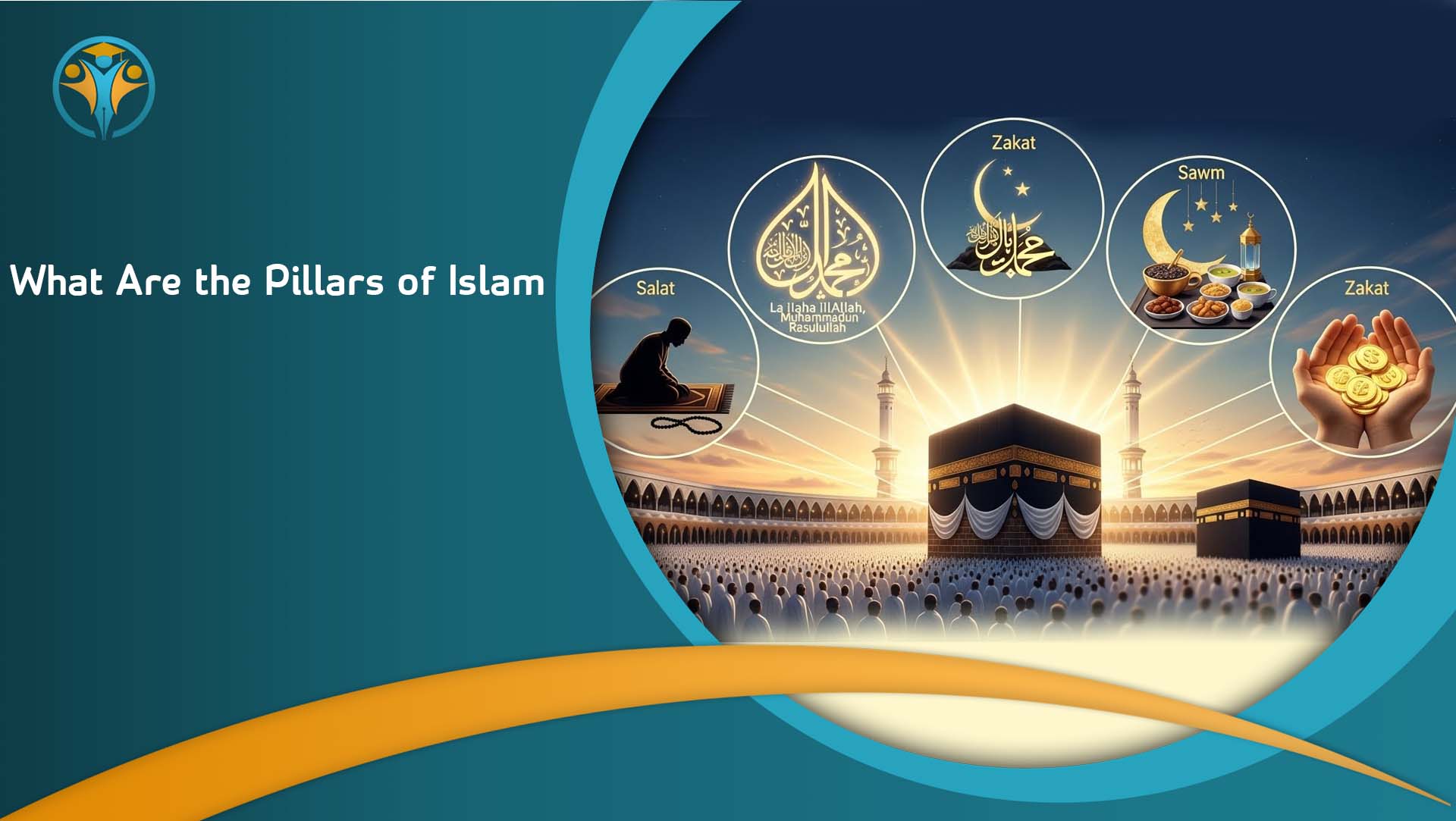
What Are the Pillars of Islam Explained 2026
What are the Pillars of Islam? This question lies at the heart of understanding the core practices and beliefs that shape the Islamic faith. The Five Pillars of Islam are the fundamental acts of worship and devotion that every Muslim is expected to follow. If this interests you, wudu steps is another area worth checking out. If this interests you, how to perform hajj is another area worth checking out. This ties in well with online Tafseer classes for all levels, something a lot of students ask about too. For a closer look at Islamic quran’s profound impact on faith in, it helps to read through the details first. If this interests you, Tafseer classes Sydney is another area worth checking out. It’s a good idea to also look into five pillars of Islam once you’ve got the basics down. This ties in well with best deeds in Islam every muslim should know, something a lot of students ask about too. If this interests you, Islamic studies is another area worth checking out. Many families exploring this also ask about hijrah of prophet muhammad, which covers similar ground.
These pillars guide not only the spiritual life of a Muslim but also their ethical conduct, shaping their relationship with God and society.
This research, prepared under the guidance of Super Muslim Academy, aims to explore each pillar in detail, emphasizing their importance and role in the daily life of a practicing Muslim.
What Do the Five Pillars of Islam Mean?
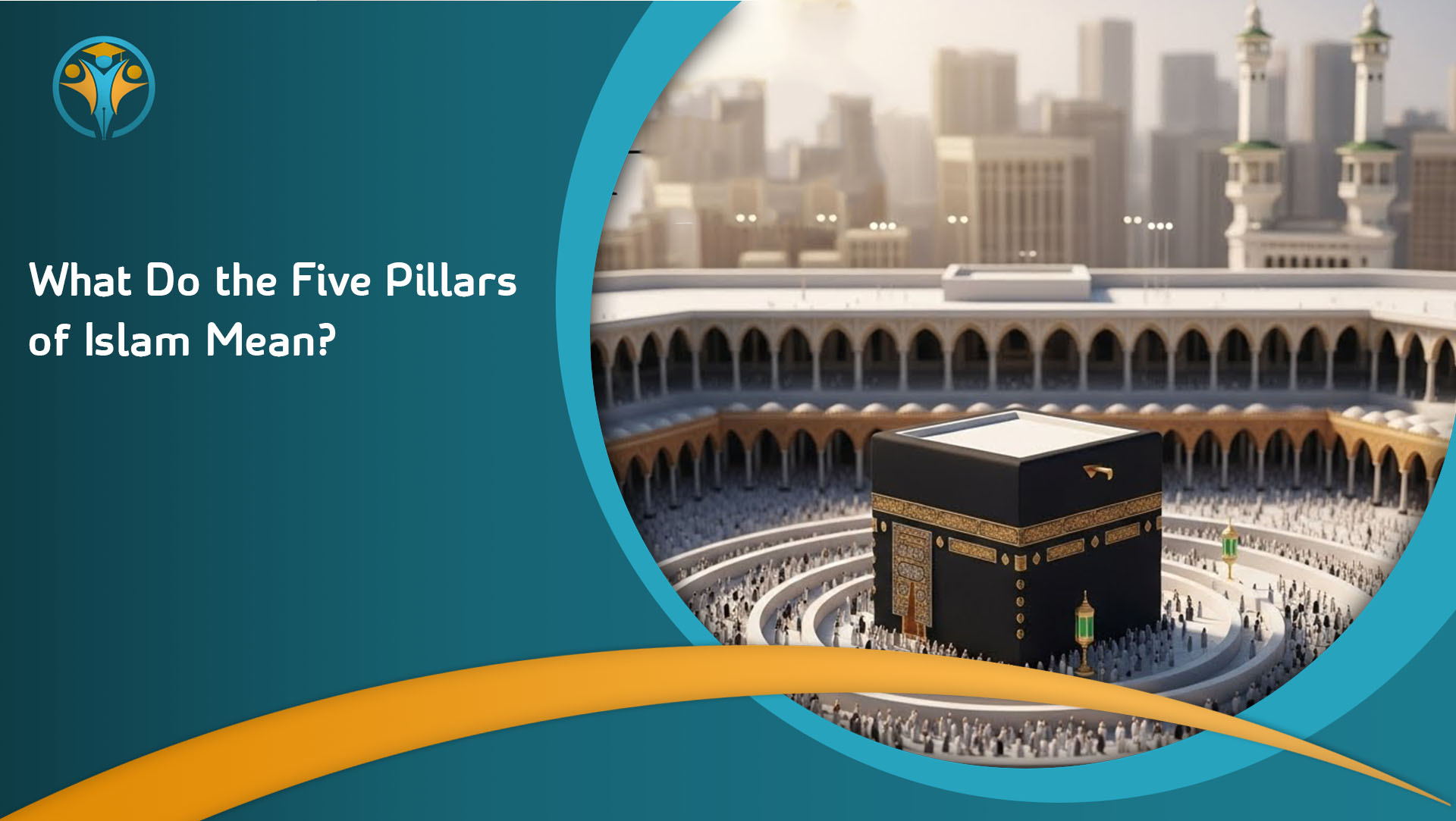
The Five Pillars of Islam are the fundamental practices that shape a Muslim’s faith and actions. So, what do the pillars of Islam mean? They represent the core beliefs that guide Muslims in worship, personal conduct, and their role in society. Each pillar plays a vital role in helping Muslims strengthen their relationship with Allah and fulfill their spiritual and communal duties. Understanding what do the pillars of Islam mean is key to living a life rooted in the teachings of Islam.
Shahada (Faith):
- The first pillar, Shahada, is the declaration of faith: “There is no god but Allah, and Muhammad is His messenger.”
- This statement affirms a Muslim’s belief in the oneness of Allah and the finality of Prophet Muhammad’s message.
- What do the pillars of Islam mean: Shahada signifies the foundation of a Muslim’s identity, affirming their commitment to monotheism and to following the teachings of the Prophet.
Salah (Prayer):
- Salah involves performing five daily prayers at prescribed times.
- It is a means of staying connected to Allah, expressing gratitude, and maintaining discipline.
- What do the pillars of Islam mean: Salah is a constant reminder to Muslims of their dependence on Allah and their purpose in life.
Zakat (Charity):
- Zakat requires Muslims to give a portion of their wealth to those in need.
- It is a form of charity that aims to reduce poverty and inequality.
- What do the pillars of Islam mean: Zakat represents social justice, reinforcing the belief that wealth is a trust from Allah and must be used to benefit others.
Sawm (Fasting):
- Sawm, or fasting during the month of Ramadan, involves abstaining from food, drink, and other physical needs from dawn until sunset.
- This practice promotes self-discipline, empathy, and spiritual awareness.
- What do the pillars of Islam mean: Fasting encourages Muslims to grow closer to Allah and increases mindfulness about the struggles of the less fortunate.
Hajj (Pilgrimage):
- Hajj is a pilgrimage to Mecca, which every Muslim must undertake at least once in their lifetime, provided they are physically and financially able.
- It is an act of spiritual renewal and unity, as Muslims from all over the world gather in one place to worship.
- What do the pillars of Islam mean: Hajj symbolizes equality, submission to Allah, and the collective spirit of the Muslim Ummah (community).
In summary, the Five Pillars of Islam are essential to every Muslim’s life. What do the pillars of Islam mean? They represent the core practices of faith, prayer, charity, fasting, and pilgrimage, which guide Muslims to lead lives of devotion, discipline, and social responsibility. These pillars not only strengthen a Muslim’s relationship with Allah but also promote unity, charity, and justice within the wider community.
Online Quran Academy
Super Muslim Academy offers a flexible online platform for learning the Quran. Students of all ages can access personalized lessons on Quranic recitation, memorization, and tafsir.
With qualified teachers and modern tools, the academy makes Quranic education convenient and accessible anytime, anywhere. Whether you’re looking to improve your recitation or deepen your understanding, Super Muslim Academy provides a comprehensive and interactive learning experience.

Why Are the Five Pillars of Islam Important?
When we ask what are the pillars of Islam, we refer to the five fundamental practices that define the Muslim faith. These pillars guide a Muslim’s relationship with Allah and their community. What are the five pillars of Islam? They are Shahada, Salah, Zakat, Sawm, and Hajj.
- Shahada (Faith)
- The first pillar, Shahada, answers the question, what are the pillars of Islam, by declaring the belief in the oneness of Allah and Muhammad (PBUH) as His messenger. This declaration is central to a Muslim’s identity and faith.
- Salah (Prayer)
- The second pillar, Salah, involves five daily prayers at specific times. What are the pillars of Islam? Salah allows Muslims to maintain constant connection with Allah, reinforcing their submission and devotion.
- Sawm (Fasting)
- Sawm, or fasting during Ramadan, is the third pillar. Muslims abstain from food and drink from dawn to sunset. What are the pillars of Islam? Fasting helps develop self-discipline and empathy, bringing Muslims closer to Allah and the less fortunate.
- Zakat (Charity)
- The fourth pillar is Zakat, which requires giving a portion of one’s wealth to the needy. What are the pillars of Islam? Zakat promotes social justice, purifies wealth, and fosters community support.
- Hajj (Pilgrimage)
- Hajj is the fifth pillar, a pilgrimage to Mecca. It serves as an opportunity for spiritual renewal and unity. By fulfilling these pillars, Muslims live lives of devotion, charity, and responsibility.
What is the Shahada?
The Shahada is the declaration of faith, expressing a person’s belief that there is no god but Allah (Subhanahu wa Ta’ala), and that Muhammad (PBUH) is His final messenger sent to guide humanity. As the first and most fundamental pillar of Islam, the Shahada holds immense significance.
What are the pillars of Islam? The Shahada answers this question as it represents the foundation of a Muslim’s belief, marking the first step toward complete submission to Allah. It signifies a person’s intention to follow Islam wholeheartedly. What are the pillars of Islam? The Shahada is the cornerstone of Islamic faith and devotion, and it sets the foundation for all other pillars.
For those converting to Islam, the Shahada is the very first act they perform, signifying their commitment to the belief in the oneness of Allah and the finality of the Prophethood of Muhammad (PBUH). What are the pillars of Islam? The Shahada, as the first pillar, is crucial in shaping a Muslim’s spiritual path and relationship with Allah.
To recite the Shahada, the individual must do so with sincerity, speaking the words with full acceptance in both heart and mind. Simply saying the words is not enough; it must reflect a deep internal conviction.
What are the pillars of Islam? The Shahada is not just a statement but a profound expression of faith that signifies a person’s commitment to live according to Islamic principles. By understanding and embracing the Shahada, Muslims take the first step toward a life of devotion and obedience to Allah.
Allah (Subhanahu wa Ta’ala) speaks of true submission in the Qur’an, saying:
“And who is better in religion than one who submits his face to Allah while doing good?” (Qur’an 4:125)
This verse captures the essence of the Shahada: true submission to Allah requires both faith and righteous actions. What are the pillars of Islam? The Shahada is the first step toward fulfilling this commitment, representing both verbal affirmation and spiritual transformation. Reciting the Shahada is not just a formal act but marks the beginning of a lifelong journey of devotion to Allah and His guidance, which sets the foundation for all the other pillars of Islam.
What is Salah (Prayer)?
Salah is the second pillar of Islam and refers to the mandatory daily worship that every Muslim must perform five times a day at prescribed times. What are the pillars of Islam? Salah answers this question as one of the fundamental acts that define a Muslim’s relationship with Allah.
The times for prayer are divided throughout the day:
- Fajr – Begins at dawn and ends at sunrise.
- Dhuhr – Midday prayer, begins after the sun has passed its zenith and continues until the time for Asr.
- Asr – Begins in the afternoon and ends shortly before sunset.
- Maghrib – Begins right after sunset, once the sun has disappeared below the horizon.
- Isha – Begins after the redness of the sunset has disappeared and continues until midnight.
A crucial aspect of Salah is Wudu (ablution), which involves purifying the body before prayer. It is believed that Wudu washes away the minor sins of the believer. What are the pillars of Islam? Salah is central to Islamic worship, emphasizing the importance of daily connection with Allah.
The call to prayer, or Adhan, is announced from mosques to signal the time for Salah. Muslims who pray at home may also recite the Adhan before beginning their prayers. What are the pillars of Islam? Salah not only reminds Muslims of the importance of worship but also reinforces unity and discipline in a Muslim’s life.
Salah is a direct reminder that there is nothing greater than Allah (Subhanahu wa Ta’ala). During prayer, a Muslim’s mind should be free of worldly distractions. What are the pillars of Islam? Salah helps the believer to focus on Allah alone.
Muslims are encouraged to pray in congregation at the mosque. This practice is an important symbol of humanity and equality in Islam, reminding Muslims that all human beings are created by Allah and will return to Him.
Through Salah, what are the pillars of Islam? We see a practice that nurtures a deep spiritual connection with Allah while fostering a sense of equality and unity among all Muslims.
What is Zakat?
Zakat means “purification” or “cleansing.” It is a mandatory form of charity in Islam. What are the pillars of Islam? Zakat answers this question as one of the core practices every Muslim must follow. Zakat is a way to worship Allah (Subhanahu wa Ta’ala) by giving a portion of one’s wealth to those in need, as prescribed in the Qur’an.
Every year, Muslims are required to pay 2.5% of their wealth (such as cash, property, gold, and silver) that exceeds a certain threshold to help those less fortunate. What are the pillars of Islam? Zakat represents an essential aspect of a Muslim’s commitment to social responsibility and helping others in the community.
Zakat purifies wealth, both literally and figuratively, according to Islamic principles. Giving charity helps protect individuals from difficulties and increases their wealth, as Allah (Subhanahu wa Ta’ala) promises to bless those who give in charity. What are the pillars of Islam? Zakat emphasizes the importance of generosity in the Muslim community, ensuring that wealth circulates and supports those in need.
The Prophet Muhammad (PBUH) said:
“Wealth is not diminished by charity.”
[Muslim, 2588]
In the Qur’an, Allah (Subhanahu wa Ta’ala) says:
“The example of those who spend in the way of Allah is like that of a seed which grows seven ears, in each ear there are a hundred grains. Allah multiplies as He wills; He is Munificent and All-Knowing.”
[Qur’an 2:261]
What are the pillars of Islam? Zakat is also a means of salvation from the heat of the Day of Judgment.
The Prophet (PBUH) said:
“Every person will be in the shade of their charity on the Day of Judgment.”
[Sahih al-Jami (4510)]
Islam places great importance on giving to those in need. What are the pillars of Islam? Zakat encourages Muslims to support their communities and ensure that the less fortunate have access to food, medicine, education, and shelter. Through Zakat, Muslims fulfill both their spiritual and social obligations, contributing to the welfare of society and helping to purify their wealth.
What is Sawm (Fasting)?
Sawm, or fasting, is the fourth pillar of Islam. It involves abstaining from food, drink, and other physical needs from dawn until sunset during the holy month of Ramadan. What are the pillars of Islam? Sawm is an essential spiritual practice aimed at fostering self-discipline, empathy, and a closer connection to Allah (Subhanahu wa Ta’ala).
Fasting during Ramadan is not just about refraining from food, but also about abstaining from sinful behavior, bad habits, and impure thoughts. Muslims strive to purify their minds and hearts during this sacred time.
The duration of fasting varies depending on the time of year and geographical location. In summer, the days are longer, and in winter, they are shorter. What are the pillars of Islam? Sawm teaches Muslims to endure hardship, providing them with a deep sense of humility and a greater appreciation for Allah’s blessings. It also reminds them of the struggles faced by the less fortunate, encouraging generosity and kindness.
Muslims typically eat two meals during Ramadan: Suhoor (the pre-dawn meal) and Iftar (the meal at sunset). Suhoor is recommended to be consumed before the dawn prayer to ensure energy throughout the fasting day.
Iftar traditionally starts with dates, following the example of the Prophet Muhammad (PBUH), as they provide quick energy and have many health benefits. What are the pillars of Islam? Sawm helps Muslims develop patience and gratitude for the everyday blessings they may otherwise take for granted.
The ultimate goal of fasting is to achieve taqwa (God-consciousness), drawing nearer to Allah and increasing one’s spirituality. Ramadan concludes with Eid al-Fitr, a joyous celebration marked by prayer, charity, and family gatherings. What are the pillars of Islam? Sawm plays a central role in Ramadan, a time for reflection, renewal, and spiritual growth.
What is Hajj (Pilgrimage)?
Hajj is the fifth and final pillar of Islam, and it is the pilgrimage to Mecca. What are the pillars of Islam? Hajj answers this question as the ultimate spiritual journey that Muslims must undertake at least once in their lifetime, provided they are physically and financially able. During Hajj, Muslims gather from all corners of the world to worship Allah (Subhanahu wa Ta’ala) and perform several rituals that strengthen their faith and devotion.
One of the central aspects of Hajj is the wearing of simple, white clothing known as Ihram, which symbolizes purity and equality. What are the pillars of Islam? The concept of Ihram reinforces the idea that in the eyes of Allah, no one is superior to another in terms of wealth, gender, age, or ethnicity. All pilgrims stand before Allah in a state of spiritual purity, united in their submission to Him.
Hajj takes place during the 12th month of the Islamic lunar calendar, typically falling in the month of Dhul-Hijjah (which corresponds to December in the Gregorian calendar), from the 8th to the 12th of the month. What are the pillars of Islam? Hajj is a significant and mandatory act of worship, which requires Muslims to dedicate time, effort, and resources in order to fulfill this spiritual duty.
The pilgrimage concludes with the celebration of Eid al-Adha, where Muslims sacrifice an animal in remembrance of Prophet Ibrahim’s willingness to sacrifice his son in obedience to Allah’s command. What are the pillars of Islam? Hajj, with its rituals and acts of sacrifice, embodies the spirit of submission and devotion to Allah.
What are the pillars of Islam? Hajj serves as a reminder of the importance of submitting to Allah’s will, reinforcing the values of humility, sacrifice, and brotherhood. It is a deeply spiritual journey that strengthens the bond between Muslims, allowing them to reflect on their faith and seek Allah’s mercy and forgiveness.
Islam is faith in the heart and action in practice
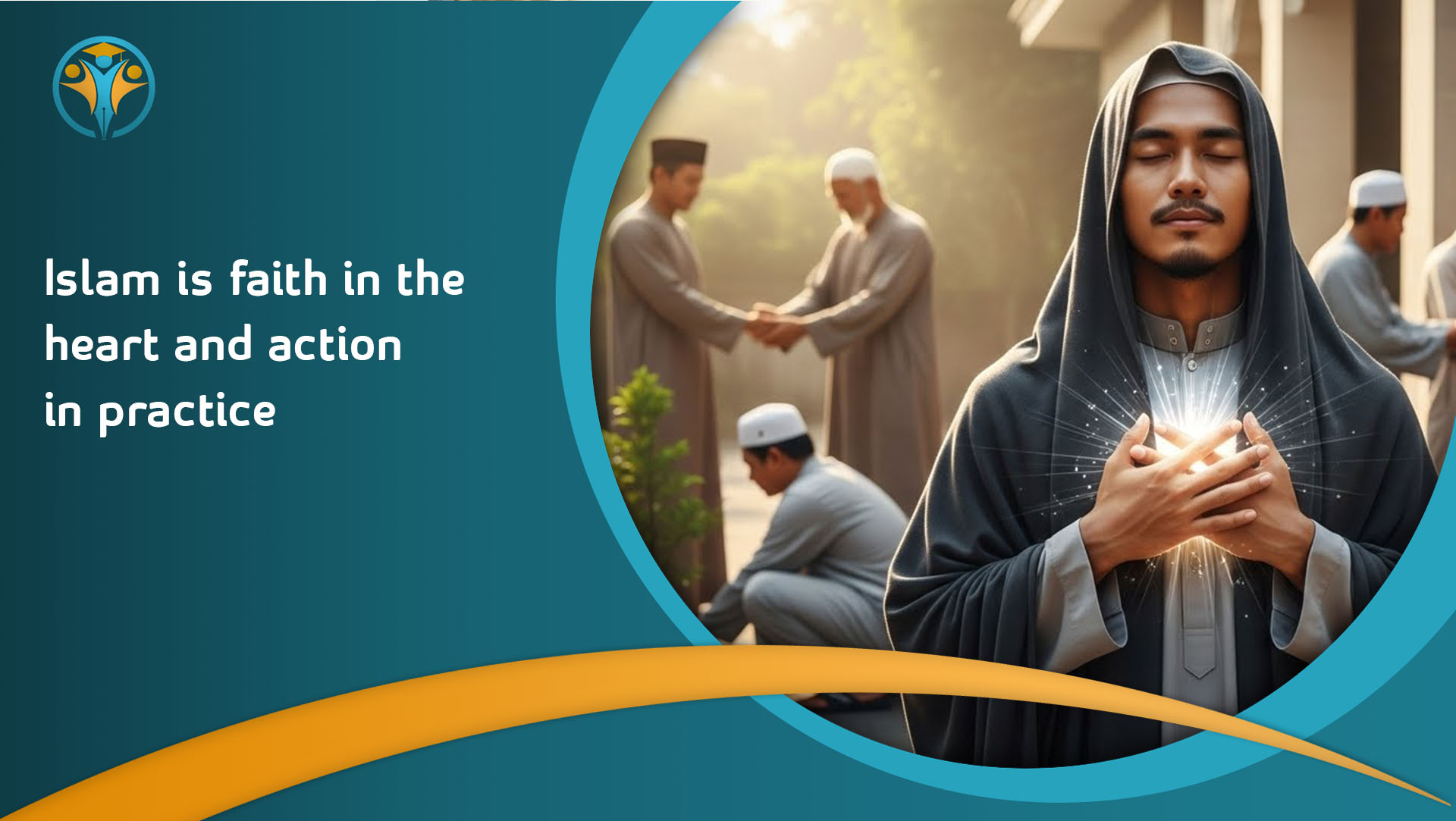
Islam is faith in the heart and action in practice. What are the pillars of Islam? Islam is founded on five essential pillars, as outlined in the teachings of the Prophet Muhammad (PBUH). These pillars are the foundation of a Muslim’s faith and practice.
The Prophet (PBUH) said: “Islam is built upon five: the testimony that there is no god but Allah, and Muhammad is His messenger; the establishment of prayer; the giving of Zakat; the pilgrimage to the House (Hajj); and the fasting during Ramadan.” (Agreed upon; narrated by Bukhari, Hadith 8). What are the pillars of Islam? These five acts of worship are not just rituals, but profound expressions of devotion to Allah.
What are the pillars of Islam? They include the declaration of faith (Shahada), which affirms the oneness of Allah and the finality of the message of Muhammad (PBUH). This declaration is followed by the performance of regular prayers (Salah), which connect the believer with Allah five times a day.
The third pillar is Zakat, the giving of charity to help those in need, and it emphasizes the importance of social responsibility. What are the pillars of Islam? The fourth pillar is Hajj, the pilgrimage to Mecca, which every Muslim is required to undertake once in their lifetime if physically and financially able.
The fifth and final pillar is fasting during the month of Ramadan, a time for self-reflection, discipline, and empathy toward the less fortunate. What are the pillars of Islam? These practices shape the moral, spiritual, and social framework of a Muslim’s life, providing a guide to righteous living.
By following these pillars, Muslims strive to live in accordance with Allah’s will, ensuring a life of purpose and connection with their Creator. What are the pillars of Islam? These five pillars form the essence of a Muslim’s relationship with Allah and with the wider community.
frequently asked questions about “What are the pillars of Islam?
provide essential insights into the core practices that define a Muslim’s faith and actions. These pillars—Shahada, Salah, Zakat, Sawm, and Hajj—form the foundation of a Muslim’s spiritual, ethical, and social life, guiding them in their relationship with Allah and the wider community.
1. What are the pillars of Islam?
The Five Pillars of Islam are: Shahada (Declaration of Faith), Salah (prayer five times a day), Zakat (charity to the poor), Sawm (fasting during Ramadan), and Hajj (pilgrimage to Mecca).
2. Why are the Five Pillars of Islam important?
The Five Pillars are essential as they form the foundation of worship and obedience to Allah, helping a Muslim adhere to ethical values and genuine faith.
3. What is fasting during Ramadan?
Fasting involves abstaining from food and drink from dawn to sunset during the month of Ramadan. Its purpose is to develop self-discipline and empathy for the less fortunate.
4. Who is required to perform Hajj?
Hajj is obligatory for every Muslim who is physically and financially able to perform it at least once in their lifetime. It takes place during the month of Dhul-Hijjah.
5. What is Zakat?
Zakat is giving a portion of one’s wealth (usually 2.5%) to the poor and needy. It is obligatory for Muslims who possess wealth above a certain threshold (Nisab).
In conclusion, the Five Pillars of Islam form the essential foundation of a Muslim’s faith and daily life, guiding them in their relationship with Allah and shaping their actions.
Through Shahada, Salah, Zakat, Sawm, and Hajj, Muslims strengthen their spirituality, discipline, and ethical conduct. These pillars are not just rituals but a comprehensive way of living that fosters personal growth, social responsibility, and a deep connection with the Muslim community.
By following these pillars, Muslims aim to live a life that aligns with Allah’s will and brings them closer to righteousness.
Super Muslim Academy is dedicated to providing knowledge and guidance on the Five Pillars of Islam, helping Muslims understand and apply them in their daily lives.
read more:

You may also like
How to Teach Kids to Speak Kindly in Islam (A 7-Day Lesson)
How to Teach Kids to Help at Home in Islam (A 7-Day Lesson)