
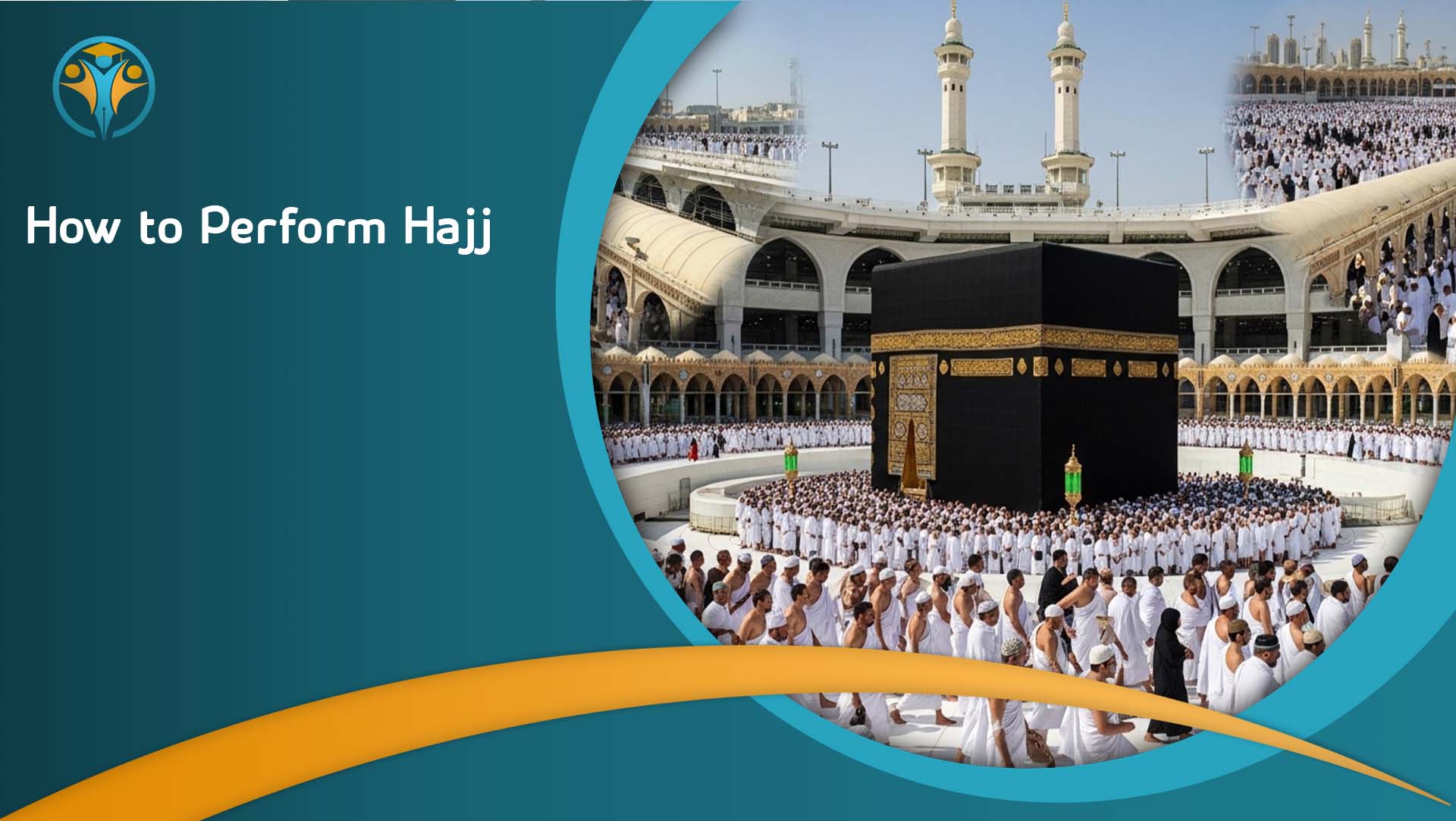
How to Perform Hajj: Step by Step Complete Guide
How to perform Hajj is a question many Muslims ask, especially if it is their first time undertaking this sacred journey. At Super Muslim Academy, we provide clear guidance and practical tips to help pilgrims understand every ritual, fulfill their obligations correctly, and experience the spiritual rewards of Hajj.
This guide covers everything from eligibility and preparation to the essential rituals, common mistakes to avoid, and the profound benefits of the pilgrimage. Whether you are learning how to perform Hajj for the first time or seeking to refresh your knowledge, this resource ensures your journey is both meaningful and spiritually fulfilling.
How to Perform Hajj Easily?
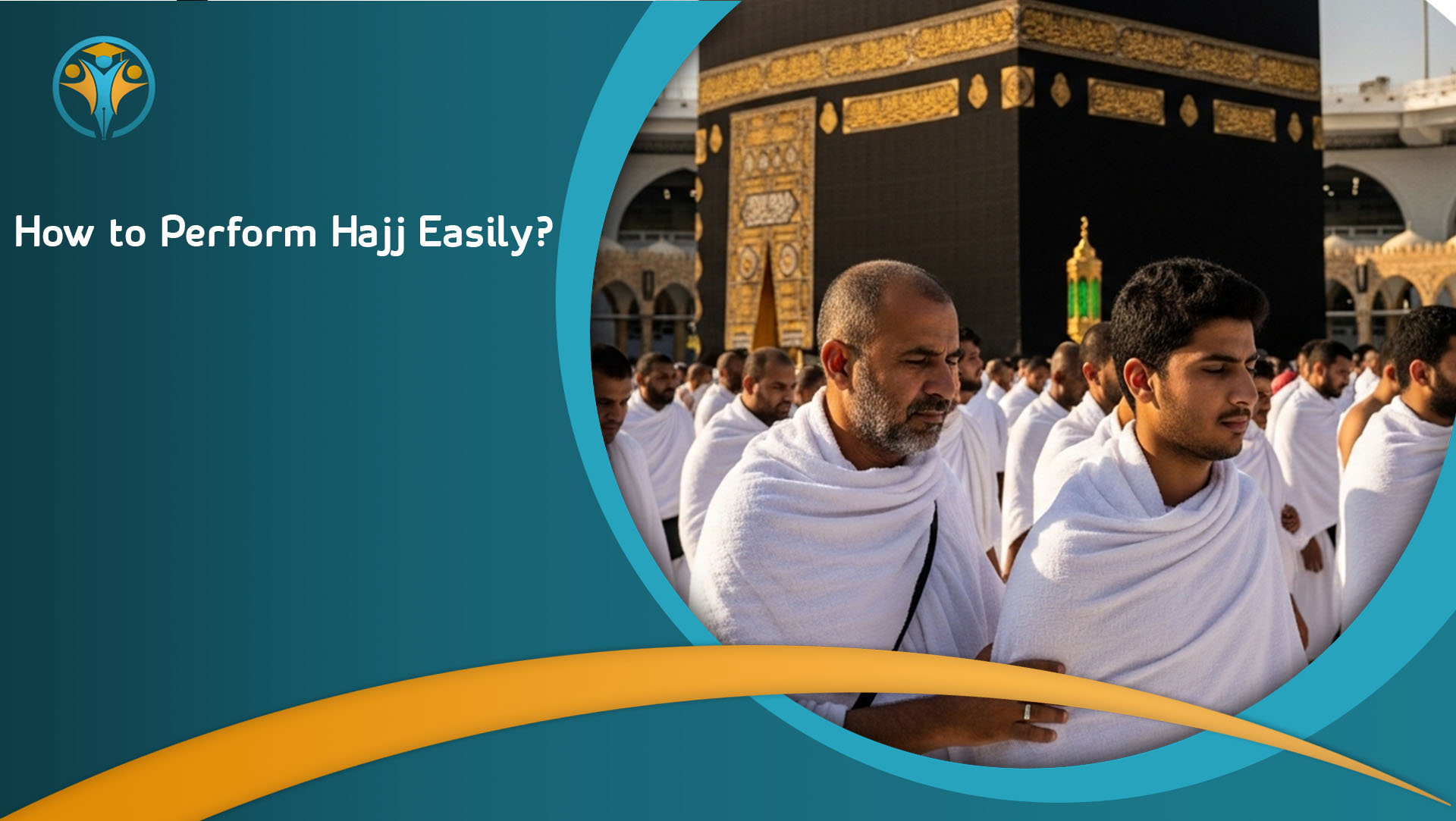
Hajj, the journey of a lifetime to Mecca, is a pivotal spiritual experience for Muslims. It takes place from the 8th to the 12th of Dhu al-Hijjah, the final month of the Islamic calendar. This guide provides a detailed overview of the Hajj rituals, focusing particularly on the Tamattu’ type, which combines both Umrah and Hajj.
1. Preparing for Ihram: Intention and Readiness
Your spiritual journey begins with sincere intention. Entering the state of Ihram—a state of spiritual purity—is required with the intention to perform Hajj, fulfilling the fifth pillar of Islam and seeking forgiveness.
- For men: Wear two white, unstitched pieces of cloth.
For women: Wear modest clothing that meets Islamic requirements. - Prohibited acts in Ihram: Using perfume, sexual relations, cutting hair or nails.
For Tamattu’ pilgrims:
Declare your intention with:
“Labbayk Allahumma bi-Umrah”
(Here I am, O Allah, to perform Umrah)
Then follow with:
“Allahumma hadhihi Hajj la riya’ fiha wa la sum’ah”
(O Allah, this Hajj is free from pride and seeking attention).
Talbiyah:
“Labbayk Allahumma labbayk, labbayk la sharika laka labbayk, inna al-hamda wa al-ni’mata laka wal-mulk, la sharika lak”
(Here I am, O Allah, here I am. You have no partner. All praise, blessings, and sovereignty are Yours, without partner).
Travel Essentials: Sunscreen (unscented), moisturizer, fragrance-free soap, first aid kit, and other items to make your journey easier.This step is crucial for anyone learning how to perform Hajj correctly.
2. Performing Umrah: Tawaf and Sa’i
Upon entering Mecca, pilgrims perform Tawaf by circling the Kaaba seven times counterclockwise, followed by Sa’i, walking between Safa and Marwah seven times. This act commemorates Hajar (peace be upon her) in her search for water for her son, Ismail (peace be upon him).
3. Exiting Ihram: Shaving or Trimming Hair
After completing Umrah:
- Men shave their heads.
- Women trim their hair to the length of a fingertip.
- This ends the Ihram until the 8th of Dhu al-Hijjah.
4. Re-entering Ihram: 8th of Dhu al-Hijjah
On the 8th of Dhu al-Hijjah, pilgrims re-enter Ihram with a renewed intention to perform Hajj, observing the same restrictions. They then proceed to Mina, the “City of Tents.”
5. A Day in Mina: Prayer and Reflection
In Mina, pilgrims perform the Zuhr, Asr, Maghrib, and Isha prayers, shortening the number of units without combining prayers. They spend the night in worship and reflection in preparation for the main day of Hajj.
6. Day of Arafah: 9th of Dhu al-Hijjah
The Day of Arafah is the pinnacle of Hajj. Pilgrims spend the day praying, asking for forgiveness, and remembering Allah. It is a day of immense mercy and spiritual cleansing.Understanding how to perform Hajj properly ensures this day is observed with full devotion.
7. Night at Muzdalifah
After sunset, pilgrims move to Muzdalifah to perform Maghrib and Isha prayers, collect pebbles for the Jamarat, and spend the night under the open sky in preparation for the next day.
8. Day of Sacrifice: 10th of Dhu al-Hijjah
- Ramy al-Jamarat: Pilgrims throw pebbles at the pillars, symbolizing rejection of evil.
- Qurbani (Sacrifice): An animal is sacrificed.
Men shave their heads, and women trim their hair, completing the Ihram.
9. Tawaf al-Ifadah: Completing Hajj
Pilgrims return to Mecca to perform Tawaf al-Ifadah and Sa’i, completing the essential Hajj rituals before returning to Mina.
10. Days of Tashreeq: 11th–12th of Dhu al-Hijjah
Continue throwing pebbles at the Jamarat in Mina.
Pray, reflect, eat, drink, and thank Allah for His blessings.
11. Farewell Tawaf
Before leaving Mecca, pilgrims perform Tawaf al-Wada, the farewell circumambulation, marking the spiritual conclusion of their Hajj journey.
This guide ensures that first-time pilgrims understand how to perform Hajj step by step and have a clear checklist of essential rituals. Following it carefully allows you to fulfill this sacred journey fully, and it serves as a reference for anyone wanting to know how to perform Hajj correctly.
Online Quran Academy
Online Quran Academy provides a modern and reliable way to learn the Holy Quran from anywhere in the world. Through online classes, students can study Quran recitation, Tajweed rules, memorization, and basic Islamic studies in a structured and supportive environment.
Super Muslim Academy is committed to delivering high academic standards by employing qualified and experienced teachers who use interactive teaching methods. The academy offers flexible schedules to suit children, adults, and busy families, making Quran learning accessible and convenient.
With personalized lessons and continuous guidance, students can improve their Quranic skills confidently while maintaining consistency and spiritual growth in their daily lives.

Which Type of Hajj Should You Perform?
Hajj can be performed in three main ways: Tamattu’, Qiran, and Ifrad. Each type has its own rituals, and understanding them is essential for anyone learning how to perform Hajj correctly.
Tamattu’ Hajj
Tamattu’ involves performing Umrah first, followed by Hajj. It is done during the days of Dhu al-Hijjah, and offering a sacrifice (Qurbani) is obligatory. After completing Tawaf and Sa’i for Umrah, the pilgrim temporarily exits Ihram. On the 8th of Dhu al-Hijjah, they re-enter Ihram to perform Hajj rituals. Tamattu’ is highly recommended, as it was practiced by Prophet Muhammad ﷺ during his Farewell Hajj.
Qiran Hajj
Qiran combines Umrah and Hajj without interruption. The pilgrim enters Ihram once and performs both rituals together. A sacrifice is also required. This type is suitable for those who can maintain the state of Ihram for a longer duration. Understanding Qiran is essential for pilgrims who want to know how to perform Hajj efficiently without breaking Ihram.
Ifrad Hajj
Ifrad focuses only on Hajj rituals. Umrah is not performed, and offering a sacrifice is not required. While simpler, it still fulfills the essential pillars of Hajj. First-time pilgrims may choose Tamattu’ or Qiran for guidance, but Ifrad is a valid option for those focusing solely on Hajj.
Key Advice
Knowing the differences between these types helps plan your journey properly. Avoid common mistakes, such as leaving Arafah early or performing rituals in the wrong order. Following a clear plan ensures a spiritually fulfilling experience. Learning how to perform Hajj according to the chosen type helps pilgrims complete every step correctly. With preparation and focus, anyone can understand how to perform Hajj and make the journey meaningful.
Remember, whether Tamattu’, Qiran, or Ifrad, sincerity and intention are the keys to a successful Hajj. Studying the rituals carefully ensures first-time pilgrims know how to perform Hajj confidently and correctly.
Greatest Benefits of Hajj
Hajj is more than a physical journey; it is a deeply spiritual experience that transforms the heart and soul. Understanding its benefits helps pilgrims appreciate every step, prayer, and intention during this sacred journey. Knowing these rewards also guides anyone learning how to perform Hajj in a mindful and meaningful way.
1. Entry to Paradise Through Mercy
One of the most significant benefits of Hajj is receiving Allah’s mercy and forgiveness. By performing Hajj sincerely, pilgrims are granted the chance to enter Paradise, regardless of their worldly status. This journey serves as a spiritual reset, purifying the heart and bringing believers closer to Allah.
2. Following the Sunnah of the Prophets
Hajj allows pilgrims to follow the traditions of Prophet Ibrahim ﷺ and Prophet Muhammad ﷺ. Performing the rituals as they did connects pilgrims spiritually to generations of believers and strengthens their faith. Learning how to perform Hajj properly ensures that each ritual aligns with these prophetic traditions.
3. Incorporating Sacrifice and Rituals
Hajj is not limited to the pilgrimage itself; it includes acts such as the Qurbani (sacrifice), which symbolize submission to Allah and gratitude for His blessings. Every action, from Tawaf to Sa’i to offering the sacrifice, reinforces the spiritual essence of the journey and reminds pilgrims of the importance of obedience and devotion.
4. Affirmation of Tawheed (Monotheism)
Declaring the oneness of Allah during Hajj is a gateway to Paradise. Every step of the pilgrimage emphasizes the central principle of Islam—Tawheed—giving pilgrims a unique chance to renew their faith and devotion. Understanding how to perform Hajj with this awareness makes the journey not just a ritual, but a transformative spiritual experience.
In summary, Hajj brings mercy, strengthens faith, emphasizes sacrifice, and reinforces monotheism. For first-time pilgrims, learning how to perform Hajj correctly ensures they gain the full spiritual rewards of this once-in-a-lifetime journey.
Essential Aspects of Hajj
Hajj is one of the most important acts of worship in Islam. It is not only a physical journey but also a profound spiritual experience. Understanding the essential aspects of Hajj helps pilgrims perform it correctly and gain its full spiritual rewards.
1. Obligation and Timing
Hajj is obligatory once in a lifetime for every Muslim who is physically and financially able. It takes place during specific days of Dhu al-Hijjah, with the peak of the pilgrimage occurring on the Day of Arafah, the most significant day of Hajj. Knowing how to perform Hajj properly includes understanding these specific timings and obligations.
2. Rituals and Practices
The Hajj consists of several important rituals performed over multiple days:
- Ihram: Entering a state of spiritual purity and wearing simple white garments, symbolizing equality and unity among all pilgrims.
- Tawaf: Circumambulating the Kaaba seven times counterclockwise.
- Sa’i: Walking seven times between Safa and Marwah, commemorating Hajar’s search for water for her son Ismail ﷺ.
- Standing at Arafah: Gathering on the plain of Arafah to pray, seek forgiveness, and reflect on the Day of Judgment.
- Muzdalifah and Mina: Spending the night in Muzdalifah and then proceeding to Mina to perform the symbolic stoning of the Jamarat, rejecting evil.
- Eid al-Adha: Concluding Hajj with the sacrifice of an animal, honoring Prophet Ibrahim’s ﷺ willingness to submit to Allah.
3. Spiritual Significance
Hajj transforms the heart and soul. It offers Muslims the chance to seek forgiveness, renew their faith, and strengthen their connection with Allah. It is said that a sincere pilgrim returns “like a newborn,” cleansed of sins.
4. Unity and Diversity
Hajj brings together millions of Muslims from different backgrounds, cultures, and nations. This gathering emphasizes equality before Allah and fosters a sense of global brotherhood. Learning how to perform Hajj with awareness of this unity makes the experience even more meaningful.
Who is Eligible to Perform Hajj?
Hajj is a sacred duty in Islam, but not every Muslim is required to perform it. Certain conditions must be met to ensure the pilgrimage is feasible and meaningful. Understanding these requirements is essential for anyone learning how to perform Hajj.
1. Age Requirement
The pilgrim must be an adult. Hajj is obligatory only once a person reaches maturity, ensuring they understand the significance of the journey and its rituals.
2. Physical Health
A pilgrim must be physically able to perform the demanding rituals of Hajj. The pilgrimage involves long walks, standing for prayers, and other physically challenging acts, so good health is necessary to complete it safely.
3. Financial Capability
Hajj requires sufficient financial resources. The pilgrim must be able to afford travel, accommodation, and expenses for themselves and their dependents. Financial capability ensures that the journey can be undertaken without hardship or neglecting responsibilities at home.
By meeting these conditions, a Muslim becomes eligible to fulfill this sacred duty. Knowing how to perform Hajj properly starts with understanding who qualifies, ensuring the pilgrimage is both spiritually and practically successful.
Common Hajj Mistakes to Avoid
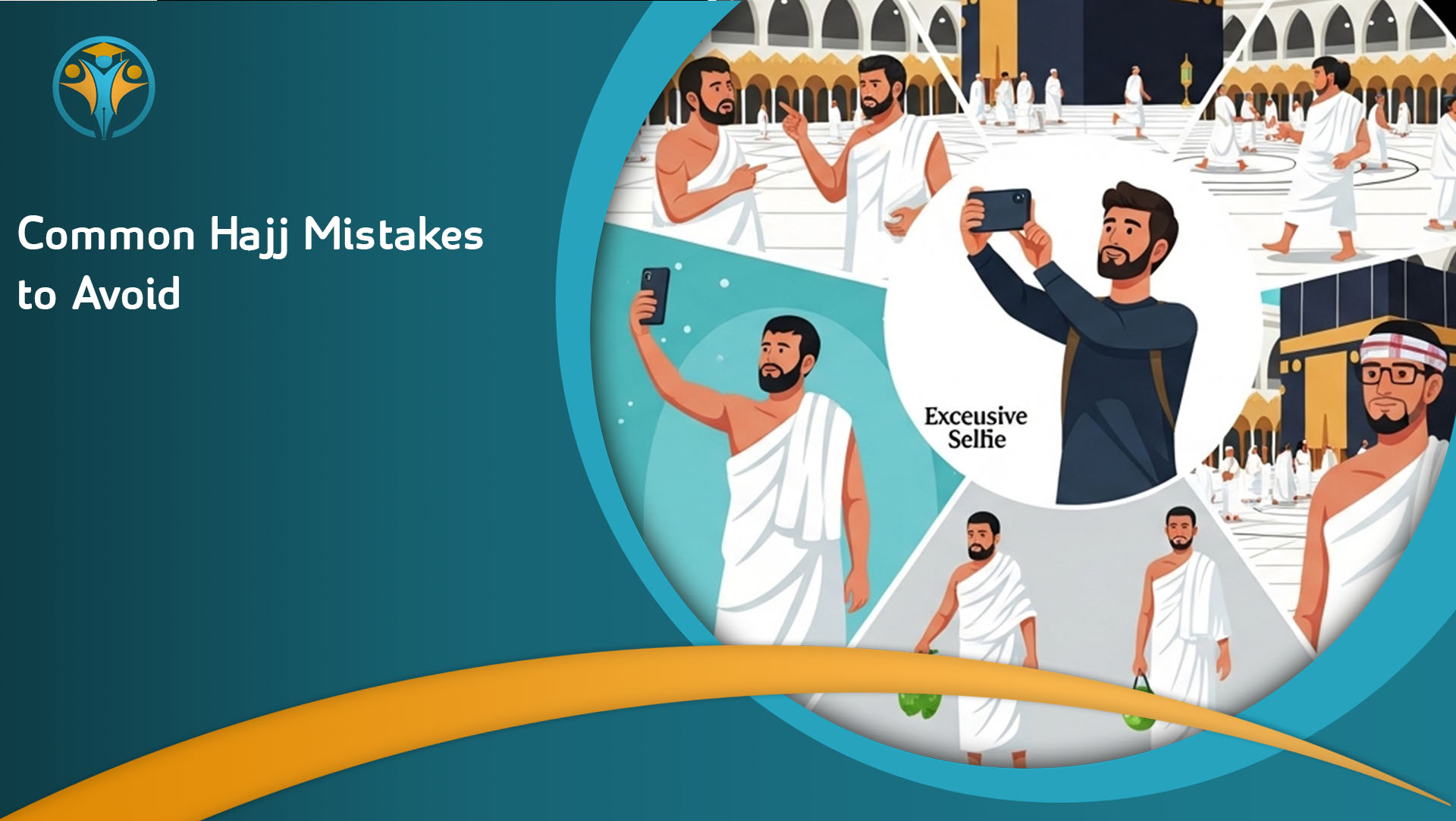
Performing Hajj is a deeply spiritual journey, but first-time pilgrims often make mistakes that can distract from the true purpose of the pilgrimage. Understanding these common errors is essential for anyone learning how to perform Hajj correctly.
1. Managing Your Prayers
One common mistake is praying too loudly in a group. While supplication is important, excessive volume can disturb others and take away from the spiritual focus. Another error is using specific prayers for each Tawaf incorrectly. Remember, the intention and sincerity behind your prayers matter more than repeating certain formulas mechanically.
2. Misunderstanding Rituals
Many pilgrims think the Jamarat pillars literally represent Satan, leading to unnecessary anxiety during stoning. Cutting hair at the wrong time, such as immediately after Sa’i or before it is required, is another frequent mistake. These rituals have specific sequences, and following them carefully is essential to properly complete Hajj.
3. Timing and Travel Errors
Leaving Arafah before sunset is a serious error. This day is the pinnacle of Hajj, and staying until the prescribed time ensures your devotion is fully observed. Similarly, performing more than one Umrah in the same trip or visiting Medina as part of Hajj rituals can lead to confusion and ritual errors for first-time pilgrims learning how to perform Hajj.
4. Modern Distractions
Taking selfies during rituals or being overly attached to possessions can distract from the spiritual experience. Hajj is meant to purify the heart and focus on Allah, so unnecessary spending or material distractions should be minimized.
5. Key Advice
Avoiding these mistakes will help pilgrims focus on the spiritual essence of Hajj. For anyone unsure, studying the correct order of rituals and asking experienced pilgrims can be invaluable.
With preparation, anyone can learn how to perform Hajj safely and meaningfully. By understanding the proper sequence and avoiding common pitfalls, first-time pilgrims can fully appreciate the journey and fulfill the purpose of Hajj. Remember, patience, focus, and sincerity are the keys to mastering how to perform Hajj successfully.
Frequently Asked Questions (FAQ): How to Perform Hajj
answers the most common questions about Hajj rituals, timing, and requirements.This section helps pilgrims understand how to perform Hajj correctly and avoid common mistakes with confidence.
1. What does “how to perform Hajj” mean?
It refers to understanding the correct steps, rituals, and conditions required to complete Hajj properly according to Islamic teachings, from Ihram to the farewell Tawaf.
2. When is Hajj performed?
Hajj is performed during specific days of the Islamic month of Dhu al-Hijjah, from the 8th to the 12th, with the Day of Arafah being the most important.
3. What are the main steps in how to perform Hajj?
The main steps include entering Ihram, performing Tawaf and Sa’i, standing at Arafah, staying in Muzdalifah, stoning the Jamarat in Mina, offering a sacrifice (for some types), and completing Tawaf al-Ifadah and Tawaf al-Wada.
4. Do I need to perform Umrah before Hajj?
It depends on the type of Hajj. In Tamattu’, Umrah is performed first. In Qiran, Umrah and Hajj are combined. In Ifrad, Umrah is not included.
5. Is Hajj required every year?
No. Hajj is obligatory only once in a lifetime for Muslims who are physically and financially able.
6. What are common mistakes when learning how to perform Hajj?
Common mistakes include leaving Arafah early, performing rituals in the wrong order, excessive distractions like taking selfies, and misunderstanding the meaning of certain rituals.
7. Can women perform Hajj?
Yes. Women can perform Hajj as long as they meet the requirements and follow the guidelines specific to them.
8. Why is learning how to perform Hajj important?
Learning how to perform Hajj ensures that the pilgrimage is valid, spiritually rewarding, and free from avoidable errors.
In conclusion, Hajj is a unique spiritual journey that combines worship, obedience, and deep reflection. By understanding the correct rituals, meeting the requirements, and avoiding common mistakes, pilgrims can experience Hajj in its true and complete form.
Learning how to perform Hajj helps ensure that every act of worship is carried out with sincerity and confidence. With proper preparation and intention, Hajj becomes a life-changing experience that renews faith, strengthens the connection with Allah, and allows pilgrims to return home spiritually purified and fulfilled.
read more:

You may also like

Islamic Classes Online | learn islam with qualified scholars

Wudu Steps: Simple Guide to Perform Ablution Correctly 2026