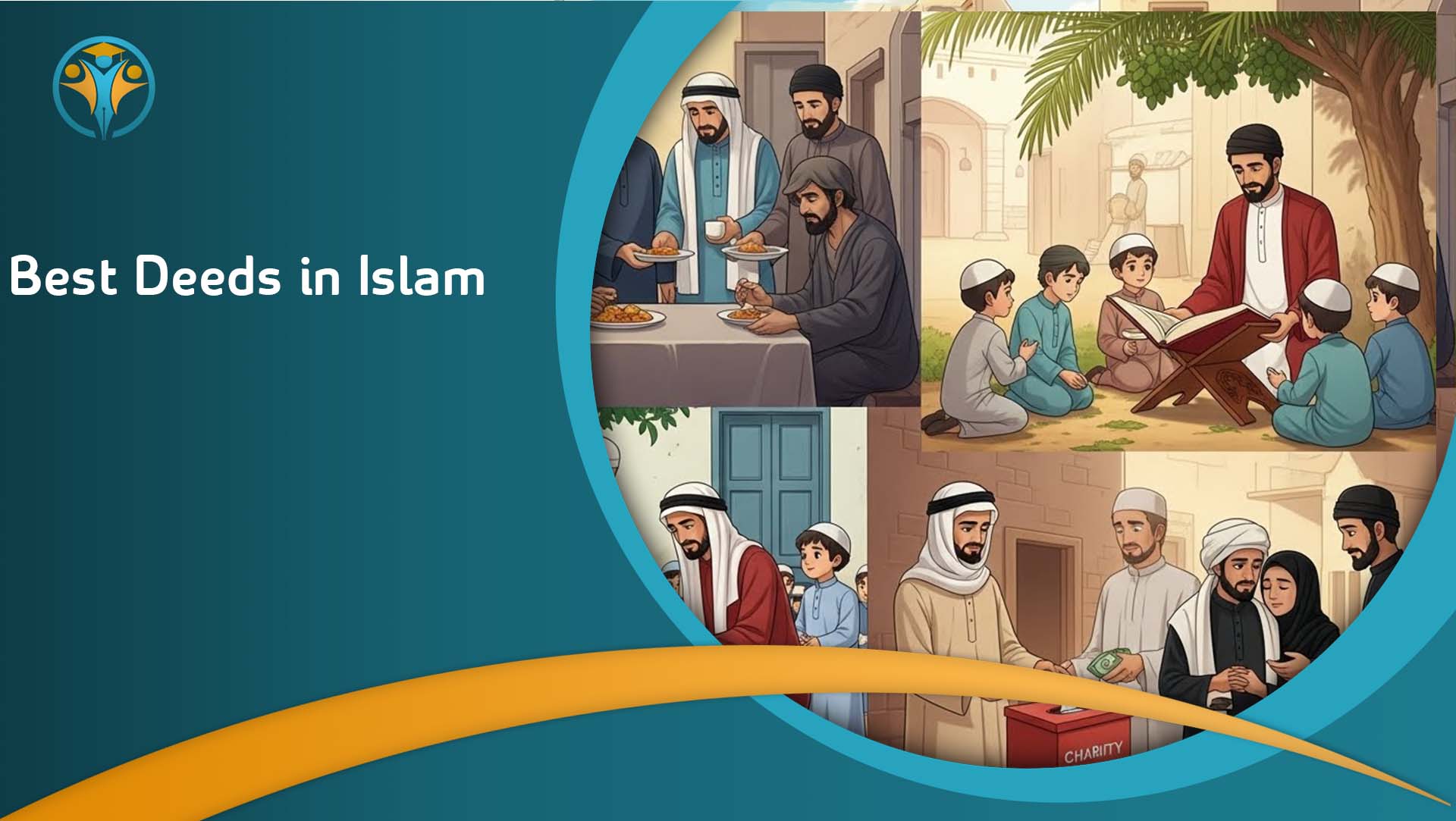
Best Deeds in Islam Every Muslim Should Know 2026
Best Deeds in Islam: Performing good deeds holds a central place in Islam, as they strengthen the connection between humans and Allah and bring harmony and benefit to society. It’s a good idea to also look into wudu steps once you’ve got the basics down. It’s a good idea to also look into how to perform hajj once you’ve got the basics down. If this interests you, online Tafseer classes for all levels is another area worth checking out. This ties in well with Islamic quran’s profound impact on faith in, something a lot of students ask about too. It’s a good idea to also look into Tafseer classes Sydney once you’ve got the basics down. If you’re curious about Islamic online school for Quran learning USA, it’s worth taking a look at what’s involved before you start. It’s a good idea to also look into Islamic studies once you’ve got the basics down. For a closer look at hijrah of prophet muhammad, it helps to read through the details first.
Islam encourages acts of worship, kindness, charity, honesty, and helping others, emphasizing that even small deeds carry great reward when done sincerely.
Understanding and practicing these deeds helps Muslims achieve moral excellence, spiritual growth, and inner peace. This research, prepared under the guidance of Super Muslim Academy, aims to explore the most valued deeds in Islam, explain their significance, and inspire individuals to incorporate them into their daily lives for both personal and communal benefit.
Definition of Good Deeds (Al-A‘mal As-Salihah) in Islam
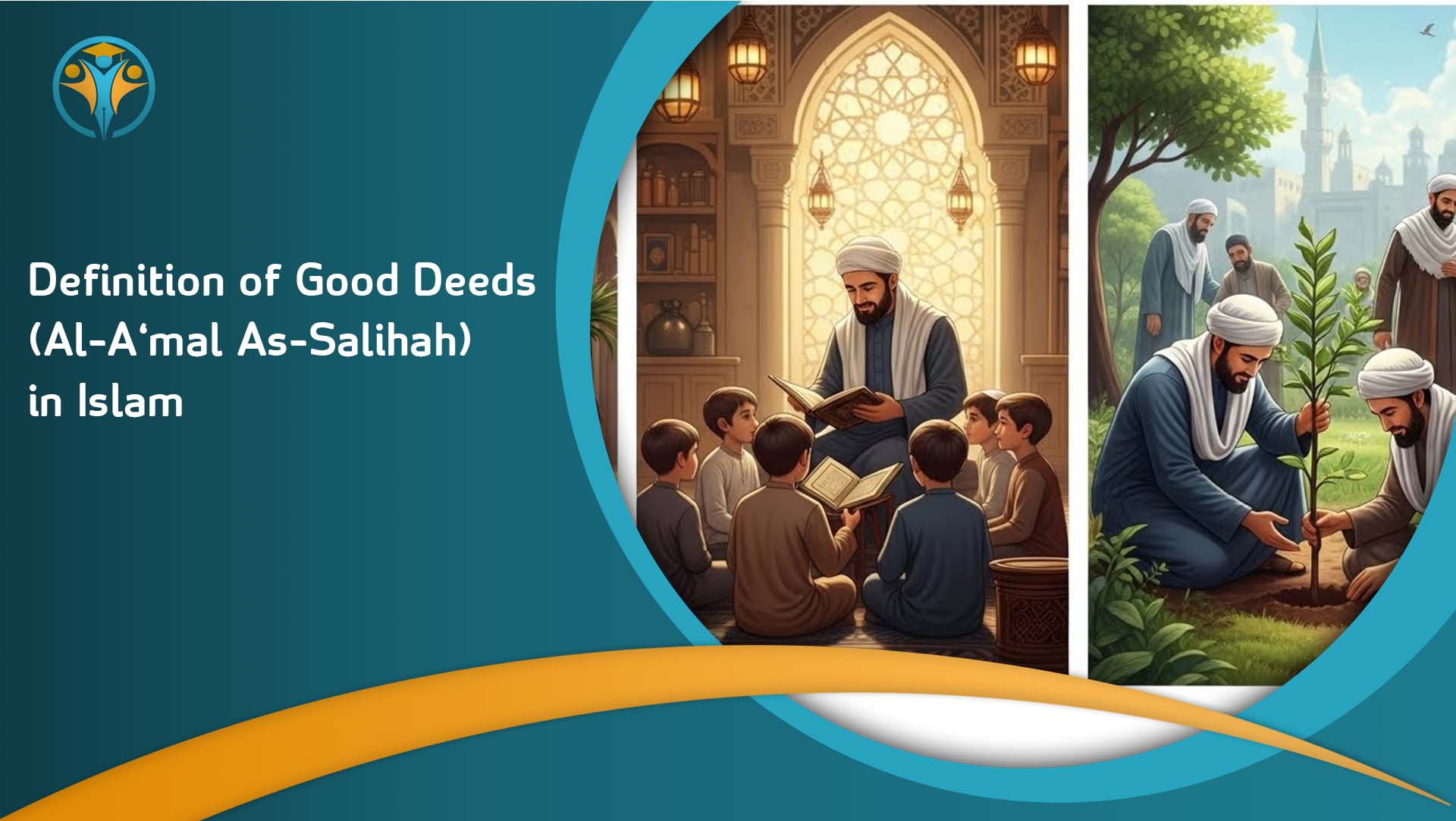
Muslims perform their duties and fulfill their rights according to Islamic law, which always emphasizes the importance of best deeds in Islam for oneself, one’s family, and the wider community.
Good deeds in Islam are diverse, and they include performing the five pillars of Islam, which are among the best deeds in Islam:
- The Shahadah: Bearing witness that there is no god but Allah and that Muhammad ﷺ is His Messenger.
- Establishing the Prayer: Performing the five daily prayers, both day and night.
- Giving Zakat: Offering obligatory charity to purify wealth and help those in need.
- Fasting in Ramadan: Observing the month of Ramadan to develop self-discipline and closeness to Allah.
- Hajj (Pilgrimage to Mecca): Performing Hajj for those who are able, as an act of devotion and submission.
The essence of faith lies in both proclaiming the Shahadah and acting upon its guidance. Allah links good words and righteous deeds in the Qur’an, showing that both are among the best deeds in Islam.
Muslims perform these acts to draw closer to Allah, seeking His pleasure and love, thereby attaining benefit in this world and reward in the Hereafter. Acts done sincerely are truly among the best deeds in Islam, as success comes only when Allah accepts them.
Allah commands His servants to do good and encourages hastening in acts of obedience. As He says:
﴿O you who believe! Bow down, prostrate, worship your Lord, and do good, so that you may succeed.﴾
(Surah Al-Hajj: 77)
This verse highlights that a person may perform good deeds, but true success and acceptance come only when Allah accepts the act.
Join Online Quran Academy
Join Super Muslim Academy today and embark on a comprehensive journey to master the Quran online. Our academy provides interactive and structured lessons that cover correct recitation, Tajweed rules, memorization techniques, and understanding the meanings of the Quranic verses.
Whether you are a beginner or seeking to enhance your Quranic knowledge, our flexible online platform allows you to learn from anywhere, at your own pace.
Strengthen your connection with Allah, improve your spiritual growth, and gain the confidence to read and understand the Quran deeply. Don’t wait—become part of this exceptional learning experience and start your Quranic journey with Super Muslim Academy today!

Good Deeds in Islam for Children
Instilling the love of good deeds in children from an early age is essential for nurturing Islamic values, strong character, and a sense of responsibility.Teaching children simple acts of worship and kindness helps them develop faith, empathy, and respect for others, forming the foundation of a righteous life.
Focusing on the best deeds in Islam from childhood ensures that children grow with an understanding of what pleases Allah and how to embody these values in daily life.
Some examples of best deeds in Islam for children include:
- Saying “Bismillah” before eating, which encourages mindfulness and gratitude.
- Showing kindness and respect to parents, which strengthens family bonds.
- Sharing with others, fostering generosity and empathy.
- Helping with household chores, teaching responsibility and cooperation.
These small but meaningful actions help children internalize Islamic teachings and develop obedience to Allah. Scholars explain that children who have not reached puberty are not held accountable for sins or neglecting obligatory acts, yet performing these deeds earns reward and cultivates good habits early.
Prayers offered by children are valid and rewarded, even though they are not yet obligatory. Encouraging children to practice such best deeds in Islam gradually builds a habit of worship and moral conduct.
By reinforcing these values, parents and educators help children carry the love of righteous deeds into adulthood, shaping a life rooted in faith, compassion, and integrity. Teaching children these practices ensures that their efforts are truly among the best deeds in Islam, setting them on a path of lifelong spiritual growth.
The Reward of Good Deeds in Islam
highlights how sincere actions earn Allah’s pleasure, spiritual growth, and blessings in this life and the Hereafter. Every act, big or small, holds great value when done with pure intention.
- Following the Path of Truth: Islam guides Muslims to follow the light of guidance brought by Prophet Muhammad ﷺ. Adhering to this path ensures that every action aligns with Allah’s pleasure. Practicing the best deeds in Islam helps believers strengthen their faith and moral character.
- Even Small Deeds Have Great Reward: Allah promises that even the smallest sincere good deed carries immense reward. A kind word, helping someone, or showing respect to parents are all considered among the best deeds in Islam, and they contribute significantly to a believer’s balance of good in the Hereafter.
- Prioritizing Good Over Evil: Islam encourages favoring righteousness over wrongdoing. Striving for good deeds and competing in virtuous actions instills discipline and piety. Performing best deeds in Islam regularly fosters moral growth and develops a conscious awareness of Allah’s commands.
- Seeing the Results on the Day of Judgment: On the Day of Judgment, every believer will witness the fruits of their actions. Each sincere act will be accounted for, and even minor deeds done with pure intention are rewarded. This makes consistent performance of the best deeds in Islam essential for spiritual success.
- Justice for the Oppressed: Islam ensures fairness and justice; no good act goes unnoticed, and the rights of the oppressed are preserved. Allah’s promises are true, and He rewards every believer who strives to do good sincerely.
- Encouragement to Strive in Goodness: Muslims are encouraged to hasten toward good deeds, helping themselves and others. Acts of charity, worship, kindness, and honesty are all rewarded abundantly, making them lasting examples of the best deeds in Islam.
These points highlight the immense importance of good deeds in Islam and the spiritual and moral benefits they bring to individuals and society.
Easy Ways to Earn Rewards in Islam
There are simple daily actions through which Muslims can earn immense rewards from Allah. These acts, though easy to perform, are counted among the best deeds in Islam due to their spiritual significance and the sincerity behind them.
- Reciting the Qur’an: Even reciting a single letter of the Qur’an carries a great reward. Muslims are encouraged to read the Qur’an daily, even for a few minutes, as consistent recitation is a source of ongoing blessings and one of the best deeds in Islam.
- Remembrance of Allah (Dhikr): Saying phrases like “SubhanAllah,” “Alhamdulillah,” and “Allahu Akbar” can be done anytime and anywhere. Dhikr brings peace to the heart and accumulates great reward, making it one of the best deeds in Islam that is easy and continuous.
- Performing Sunnah Prayers: In addition to the obligatory prayers, performing Sunnah and voluntary prayers is highly recommended. These acts are simple yet highly rewarding and are considered among the best deeds in Islam.
- Helping Those in Need: Acts of charity, whether giving money, food, or time, hold immense reward. Even small gestures of help are valued greatly by Allah and are part of the best deeds in Islam that strengthen community bonds and benefit others.
- Incorporating these easy practices into daily life allows Muslims to continuously earn rewards while growing spiritually and morally. These simple acts demonstrate that even small efforts, when done sincerely, can be among the best deeds in Islam.
Easy and Rewarding Good Deeds in Islam
Even though some good deeds require effort and time, there are many simple acts in Islam that are easy to perform yet carry great reward. These simple actions are counted among the best deeds in Islam because of their spiritual and social impact.
- Saying “Bismillah”: Starting any action by saying “Bismillah” is a simple yet highly rewarding deed. It reminds the believer of Islamic values and keeps them mindful of Allah, making the act blessed and more likely to be accepted.
- Smiling: The Prophet ﷺ said, “Your smile for your brother is charity” (Bukhari). A simple smile is considered a form of charity and a best deed in Islam that spreads positivity and strengthens relationships.
- Helping Others: Assisting others, whether by helping a neighbor, opening a door, or giving guidance, is an easy and highly rewarded act. Islam encourages cooperation, compassion, and fulfilling the rights of others, making these simple actions part of the best deeds in Islam.
- Kind Words: Speaking kindly, praising, or encouraging others is a powerful good deed. The Prophet ﷺ emphasized that kind words uplift spirits and promote happiness. Such actions, though easy, are counted among the best deeds in Islam because they have lasting effects on both individuals and society.
Incorporating these small, simple deeds into daily life allows Muslims to earn continuous rewards, strengthen their faith, and positively impact those around them, proving that even the easiest acts can be among the best deeds in Islam.
What are the best righteous deeds in Islam in the sight of Allah?
The best righteous deeds in Islam are those that bring a servant closer to Allah (SWT) and reflect the sincerity of their faith.
Islam teaches that righteous deeds are not limited to outward actions alone; they must stem from a pure intention and a humble heart.
Allah (SWT) rewards those who perform deeds sincerely, seeking His pleasure, and following the teachings of the Prophet Muhammad ﷺ.
The following are considered the most virtuous deeds in Islam:
Faith and Monotheism in Islam
The most important and greatest act in Islam is faith in the oneness of Allah, known as Tawheed. Believing that Allah is the only God and worshipping Him alone forms the foundation of the Islamic faith. This belief is central to a Muslim’s life, guiding their actions, decisions, and relationship with Allah.
Tawheed is not only a declaration of faith but also a practical principle that affects every aspect of a believer’s life. It shapes moral conduct, strengthens character, and encourages obedience to Allah’s commands. Every action performed with the consciousness of Allah’s oneness gains greater spiritual significance, making it a source of ongoing reward.
Faith in Allah alone is considered one of the best deeds in Islam, as it is the root from which all other acts of worship and good deeds grow. Without sincere belief, other acts of worship may lose their spiritual value. Therefore, nurturing and strengthening faith is essential for a Muslim seeking to live a righteous life.
Tawheed also brings inner peace and certainty, knowing that Allah is the ultimate protector, provider, and guide. It encourages reliance on Him in times of need and gratitude for His blessings, reinforcing the believer’s connection with their Creator.
Furthermore, faith in Allah’s oneness is the key to entering Paradise. The Prophet Muhammad ﷺ emphasized that acknowledging Allah alone and worshipping Him sincerely is the first and most essential step toward salvation.
Thus, maintaining firm faith in Tawheed and living in accordance with it is considered among the best deeds in Islam, as it forms the basis for all other acts of worship, strengthens spiritual growth, and leads to eternal reward in the Hereafter.
Prayer One of the Greatest Deeds
Prayer (Salah) is one of the most important and rewarding acts of worship in Islam. Performing the five daily prayers not only strengthens a Muslim’s connection with Allah but also serves as a source of spiritual purification, guidance, and inner peace. Salah reminds believers of their purpose, encourages discipline, and helps maintain a constant awareness of Allah in daily life.
The Prophet Muhammad ﷺ emphasized the importance of prayer, stating that it will be the first action a person is questioned about on the Day of Judgment. Observing prayer diligently demonstrates obedience, humility, and submission to Allah’s commands. It is a direct link between the servant and the Creator, offering an opportunity to seek forgiveness, guidance, and blessings.
Prayer is considered one of the best deeds in Islam because it shapes the believer’s character, instills discipline, and cultivates patience and mindfulness. Beyond its spiritual benefits, Salah also promotes social harmony by uniting Muslims in congregational prayers, encouraging equality, and fostering a sense of community.
Even when performed individually, prayer nurtures personal reflection, gratitude, and humility. It serves as a reminder of Allah’s mercy and a chance to repent for past mistakes. Regular performance of Salah with sincerity ensures that it becomes a lasting source of reward, both in this life and in the Hereafter.
In conclusion, maintaining the five daily prayers with devotion is essential for spiritual growth. Salah is not only a pillar of Islam but also one of the best deeds in Islam, guiding believers toward a righteous life, inner peace, and eternal reward.
Charity One of the Most Rewarded Deeds
Giving charity, whether small or large, is considered one of the best deeds in Islam. Charity is not limited to money alone; it can also include giving one’s time, effort, and even a simple smile to others.
The Prophet Muhammad ﷺ said:
“The shadow of a believer on the Day of Judgment will be their charity”
(Reported by Al-Tirmidhi).
This highlights the immense value and lasting reward of sincere charitable acts. Islam encourages giving charity regularly and with pure intention, seeking the pleasure of Allah. Acts of charity help those in need, foster compassion, and build strong communities.
Charity also purifies wealth and brings great blessings. By sharing what one has, a believer not only earns reward but also cultivates generosity, empathy, and gratitude. Even small acts, when done sincerely, are counted among the best deeds in Islam.
Whether it is money, food, assistance, or time, charity is a practical way to serve humanity while earning spiritual reward. Consistent and heartfelt giving demonstrates faith in Allah and trust in His promises.
In conclusion, performing acts of charity regularly and sincerely is a powerful way to grow spiritually. Charity is more than an act of kindness; it is one of the best deeds in Islam that benefits both the giver and the receiver, bringing blessings in this life and immense reward in the Hereafter.
Fasting A Pillar of Worship
Fasting during the month of Ramadan is obligatory for every adult Muslim. It is not only an act of worship but also a means of purifying the soul, controlling desires, and increasing piety while drawing closer to Allah.
Fasting helps Muslims develop self-discipline and empathy by experiencing the hardships of those in need. It encourages reflection, gratitude, and mindfulness of Allah in every aspect of life. The spiritual benefits extend beyond abstaining from food and drink, encompassing moral and ethical growth.
The rewards for fasting are immense, especially during Ramadan. Allah promises great blessings for those who fast sincerely, and the deeds of the fasting person are multiplied in reward. This makes fasting one of the best deeds in Islam, combining physical, spiritual, and moral discipline.
Fasting also strengthens patience, perseverance, and reliance on Allah, encouraging believers to maintain good conduct in their interactions with others. It is a practical way to cultivate empathy, compassion, and self-control while fulfilling a fundamental pillar of Islam.
In conclusion, observing fasts with sincerity and devotion is a powerful act of worship. Fasting is not only an obligation but also one of the best deeds in Islam, offering spiritual purification, divine reward, and a path to greater closeness with Allah.
Good Character One of the Greatest Deeds
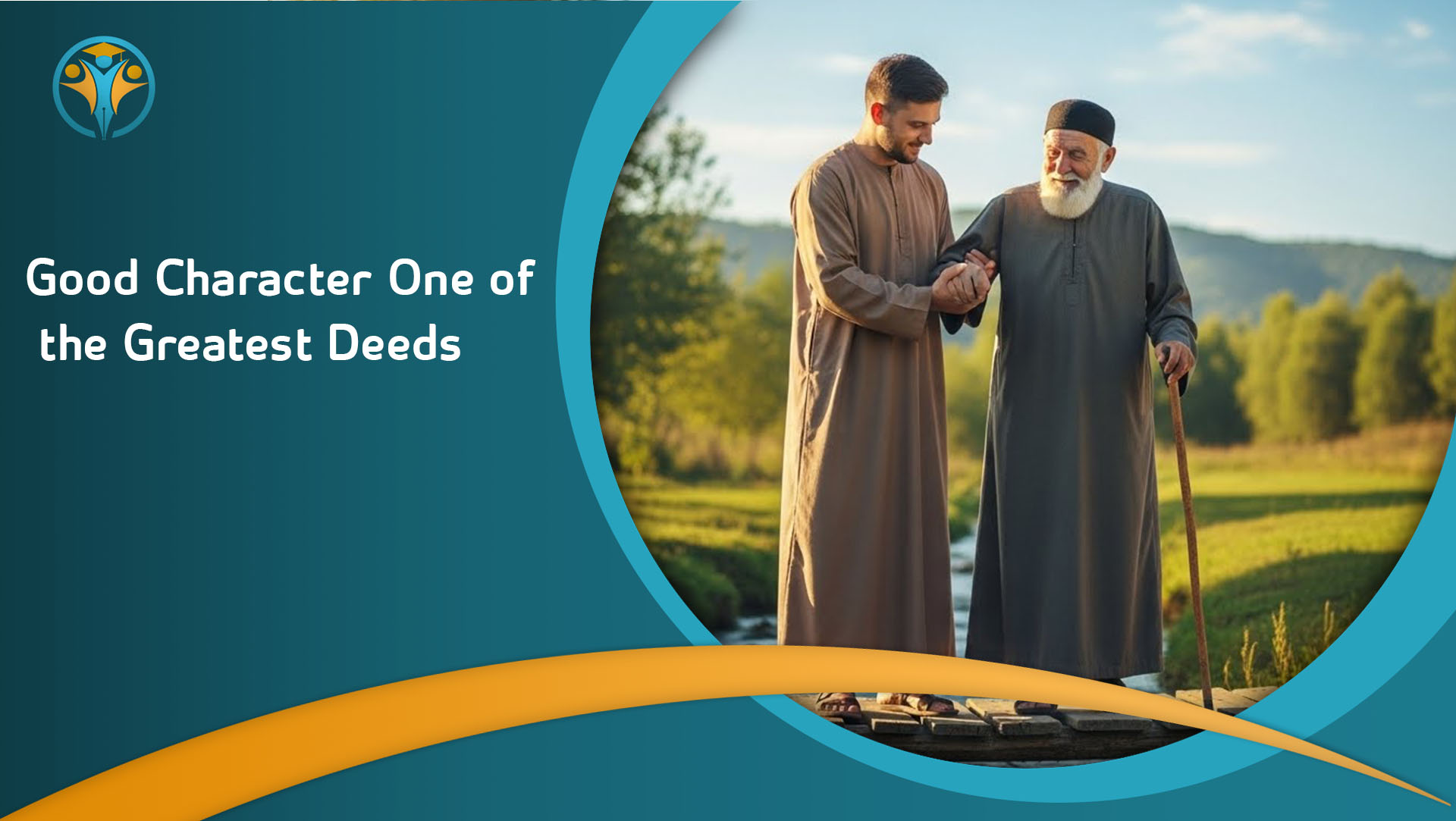
Good character is one of the most important and highly encouraged deeds in Islam. The Prophet Muhammad ﷺ said:
“The best of you are those with the best character”
(Reported by Bukhari).
Acts of patience, respect, honesty, forgiveness, and kindness are all manifestations of good character. These qualities reflect a believer’s faith and positively impact relationships with others, creating harmony and trust in society.
Maintaining good manners and moral conduct is considered one of the best deeds in Islam, as it nurtures both personal development and social well-being. Sincere practice of good character demonstrates obedience to Allah and adherence to the teachings of the Prophet ﷺ.
Good character shapes a person’s behavior in daily life, encouraging empathy, humility, and fairness. By embodying these virtues, a Muslim not only earns Allah’s pleasure but also inspires goodness in others.
In conclusion, cultivating and maintaining good character is a lifelong pursuit and is regarded as one of the best deeds in Islam, bringing spiritual reward, social harmony, and a positive legacy for the believer.
Frequently Asked Questions about Best Deeds in Islam
explore common inquiries on the most valued actions, their significance, and rewards. These FAQs guide Muslims on how to perform deeds sincerely, consistently, and for the pleasure of Allah.
1. What are the “best deeds” in Islam?
The best deeds are actions that bring a person closer to Allah and earn His pleasure, such as prayer, charity, fasting, kindness to others, and good character.
2. Do all good deeds have a reward from Allah?
Yes, every sincere good deed done for the sake of Allah carries a reward, though some deeds have greater significance and reward than others.
3. What daily actions are considered among the best deeds?
Praying on time, maintaining family ties, giving charity, helping those in need, speaking the truth, and treating people with kindness.
4. Are small deeds valuable in Islam?
Yes, small deeds are highly valued if done sincerely, like smiling at others or removing harm from the path.
5. How can one make their deeds more accepted by Allah?
By performing them sincerely for Allah, being consistent, having pure intentions, and respecting the rights of others in every action.
6. What is the difference between acts of worship and social deeds in Islam?
Acts of worship, like prayer and fasting, strengthen the relationship with Allah, while social deeds, like charity and helping others, build human relationships and promote justice.
In conclusion, performing the best deeds in Islam is not only a path to spiritual growth but also a means of building a compassionate and just society.
Acts of worship, kindness, honesty, charity, and helping others hold immense value when done sincerely and consistently. By understanding and practicing these deeds, Muslims can strengthen their faith, improve their character, and positively impact the lives of those around them.
This research, prepared under the guidance of Super Muslim Academy, highlights the importance of integrating these deeds into daily life, encouraging individuals to strive for moral excellence and earn the pleasure of Allah.

You may also like
Prayer lesson for beginners: Learn Salah Easily
Wudu step by step: Complete Guide with Tips